
The vacation rental industry runs on bookings. But when those bookings come through Airbnb or Vrbo, you’re paying 15-20% in platform fees and operating under someone else’s rules.
Email marketing changes that dynamic. It gives you direct access to past guests and interested travelers without paying platform commissions. You control the message, timing, and offer. No algorithm decides whether your property appears in search results.
Yet most vacation rental operators focus exclusively on OTA listings and social media, leaving email marketing underutilized. This creates an opportunity for property managers who implement email strategies effectively.
Here’s why email marketing works for vacation rentals, practical ways to use it, which tools to choose, and how to launch your first campaign.

Why Email Marketing Works for Vacation Rentals
Email marketing delivers several advantages that other channels can’t match for vacation rental operators.
Direct communication without platform restrictions
When you collect guest emails, you can message them whenever you want about whatever you want. No OTA platform limits your messaging frequency or content. Want to send a last-minute discount for an empty weekend? You can. Want to announce a property renovation or new amenity? Send it immediately.
Airbnb only allows messaging after guests submit booking inquiries or complete stays. Email lets you reach people before they book, during their consideration phase, and long after checkout. This ongoing access helps you build direct booking relationships that bypass platform fees entirely.
Access to engaged, qualified audiences
Your email list consists of people who already expressed interest in your properties. According to industry research, 99% of users check their email daily, making it one of the most reliable channels for reaching your audience. Some people on your list stayed with you previously and had positive experiences. Others visited your website and provided their email to learn more. These audiences convert at higher rates than cold traffic because they’re familiar with your brand.
Past guests are particularly valuable. They know your property quality, appreciated the experience enough to provide their email, and may want to return. Reaching them with return-guest offers costs nothing beyond email software fees and generates bookings without OTA commissions.
Personalization based on guest data
Email platforms let you segment audiences by stay type (family vacation, business trip, couples getaway), season, booking history, and preferences. This segmentation enables personalized messaging that speaks directly to each group’s interests.
A family that stayed during summer vacation receives different messages than a couple who booked a winter romantic getaway. Personalized emails generate higher open rates, click-through rates, and conversions than generic broadcasts.
Cross-channel marketing integration
Email strengthens your other marketing efforts. Social media builds awareness, but email drives conversions. Paid ads attract new audiences, but email nurtures them toward bookings. Content marketing provides value, but email delivers that content directly to interested people.
Using email alongside social media, paid advertising, and content creates a complete marketing system where each channel reinforces the others. Guests might discover you on Instagram, visit your website, join your email list, and book after receiving a targeted offer via email.

Effective remarketing to previous guests
Remarketing through email costs far less than remarketing through paid ads. You already have contact information for past guests who know your property and location. They’re likely to visit that area again and may prefer staying somewhere familiar.
Email remarketing works because you’re not introducing something new—you’re reminding people about a positive experience they already had and making it easy to recreate that experience.
Less competition for attention
Most vacation rental operators focus on Airbnb optimization and social media marketing. Few run systematic email campaigns. This creates less inbox competition for property managers who do use email marketing.
When guests receive relatively few emails from vacation rentals, your messages stand out. People recognize your property name, remember their stay, and pay attention to your offers in ways they might not with hotels sending daily promotional emails.
Cost-effective with high returns
Compared to other marketing channels, email marketing delivers exceptional ROI. Research shows that email marketing generates approximately $36 for every dollar spent. The minimal cost of email software combined with direct access to interested audiences makes this one of the most profitable marketing channels available to property managers.
How to Use Email Marketing for Vacation Rentals
Property managers use email marketing in several ways to generate bookings and improve guest experiences.
Build and maintain automated guest communications
If you accept direct bookings through your own website, email becomes your primary communication channel with guests. These operational emails don’t directly promote properties but ensure smooth guest experiences and professional service.
Essential automated emails include:
Inquiry responses – Confirm availability and rates immediately when someone requests information through your website or booking form.
Payment requests – Send automatic reminders when bookings are confirmed but payment remains outstanding.
Booking confirmations – Provide immediate confirmation after receiving payment, including reservation details and what to expect next.
Rental agreements and verification – Request acceptance of rental terms and ID verification through automated emails that trigger after booking confirmation.
Pre-arrival reminders – Send reminders 5-7 days before check-in with property address, parking information, and what guests should bring.
Check-in instructions – Deliver detailed check-in procedures, access codes, WiFi passwords, and contact information 24 hours before arrival.
Check-out reminders – Provide check-out time, cleaning instructions, and key return procedures one day before departure.
Feedback requests – Ask for reviews and feedback 2-3 days after checkout while the experience remains fresh.
Some of these emails are essential (inquiry responses, payment requests, booking confirmations). Others are optional but improve guest satisfaction and reduce support questions. Test different combinations to see what your guests value and what generates the best responses.
Send exclusive offers to past guests
Past guests represent your highest-value email segment. They already experienced your property, know the quality, and may want to return. Reaching them with targeted offers generates bookings without acquisition costs.
Use stay data for segmentation when possible. Guests who stayed during summer might return next summer. Guests who visited for a specific local event may attend that event annually. Anniversary and birthday-based offers work well for couples who celebrated special occasions at your property.
Discounts are the most straightforward return-guest incentive. A simple “We’d love to see you again—here’s 10% off your next stay” message generates bookings. You can also offer priority booking access for high-demand dates, complimentary upgrades, or bonus amenities like free late checkout or welcome packages.
The key is making past guests feel valued rather than treating them like new prospects. Acknowledge their previous stay, reference positive feedback if they left reviews, and position the offer as a thank-you for their business.
Launch referral programs
Referral programs turn satisfied guests into marketing channels. Offer existing guests incentives for referring friends—typically discounts or credits toward future stays. Provide the referred friend with a first-booking discount to encourage them to complete the reservation.
Referrals convert well because they come with personal recommendations. When someone’s friend vouches for your property, that carries more weight than any marketing message you could send.
Keep referral program mechanics simple. Generate unique referral links for each past guest so you can track which bookings came from which referrers. Automate credit or discount application to avoid manual tracking errors. Set clear terms about when referral bonuses apply—typically after the referred guest completes their stay.
Don’t over-incentivize referrals. A 10-15% discount is usually sufficient. The goal is encouraging word-of-mouth, not creating a discount-driven booking model that erodes margins.
Fill vacant periods with seasonal campaigns
Track occupancy patterns to identify low-demand periods. When you have extended vacancies, email campaigns help fill those gaps. You’ll need to lower prices or create discount packages (book 3 nights, get 30% off), but generating some revenue beats leaving properties vacant.
Target past guests who stayed during the same period previously. They may have annual trips to your area for family visits, local events, or seasonal activities. A reminder email prompts them to book again without extensive searching.
Seasonal campaigns work best when you identify why people would want to visit during slower periods. Highlight fall foliage, winter activities, spring festivals, or summer events that make the timing attractive despite being outside peak season.
Implement pre-arrival upselling
Pre-arrival emails offering additional services generate revenue beyond nightly rates. Common upsells include airport transfers, grocery delivery, restaurant reservations, tour bookings, equipment rentals (bikes, kayaks, skis), and welcome packages.
Send upsell offers 1-2 weeks before arrival when guests are planning their trip details. Make ordering easy through direct links or simple reply instructions. Partner with local businesses to offer services you don’t provide directly—you can earn commissions while giving guests convenient access to activities and amenities.
Frame upsells as helpful recommendations rather than pure sales. Guests appreciate curated suggestions from someone who knows the area well. If you’ve stayed in your own property or location extensively, share genuinely useful tips alongside paid service offers.
Create lead nurture sequences
Not everyone who visits your website books immediately. Many people browse multiple properties, compare options, and make decisions over days or weeks. Lead nurture email sequences keep your property top-of-mind during this consideration period.
A basic nurture sequence might include:
Email 1 (immediately after email capture): Welcome message highlighting your property’s unique features and location benefits.
Email 2 (3 days later): Guest testimonials and reviews showing positive experiences from previous stays.
Email 3 (5 days later): Local area guide covering attractions, restaurants, and activities near your property.
Email 4 (7 days later): Special offer with urgency (book within 10 days for 15% off).
Adjust timing and content based on your typical booking window. If most guests book 30+ days in advance, space emails further apart. If bookings happen within a week of inquiry, accelerate the sequence.
Best Email Marketing Tools for Vacation Rentals
Choose email marketing software based on your budget, technical comfort level, and whether you need vacation rental-specific features or general email capabilities.
Mailchimp
Source: Mailchimp
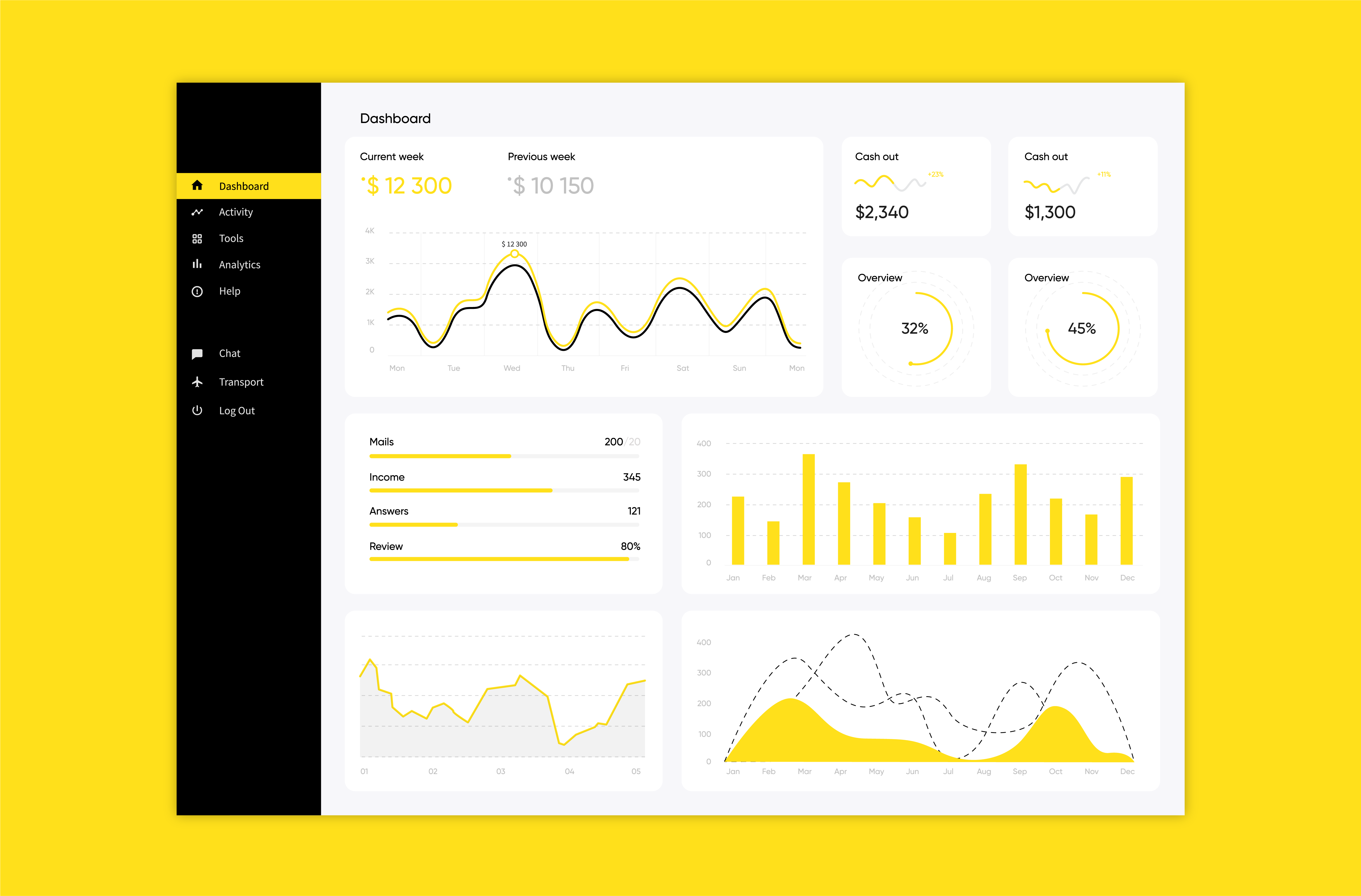
Mailchimp is the most widely recognized email marketing platform, offering a balance of features, ease of use, and affordability. The drag-and-drop email builder requires no coding knowledge. Pre-designed templates provide starting points you can customize with your branding, property photos, and content.
Key features for vacation rentals:
- Audience segmentation based on behavior, location, and custom fields (past stay dates, property preferences, booking history)
- Email automation for welcome sequences, abandoned cart recovery (if integrated with booking software), and triggered campaigns
- A/B testing for subject lines, content, and send times
- Basic reporting showing open rates, click rates, and conversion tracking
- Free plan available for lists under 500 contacts (limited features)
Mailchimp works well for property managers handling email marketing themselves without dedicated marketing staff. The interface is intuitive, support resources are extensive, and integration options connect it to most booking platforms and website builders.
Best for: Small to medium property managers (1-20 properties) who want general email marketing capabilities at reasonable cost.
Klaviyo
Source: Klaviyo
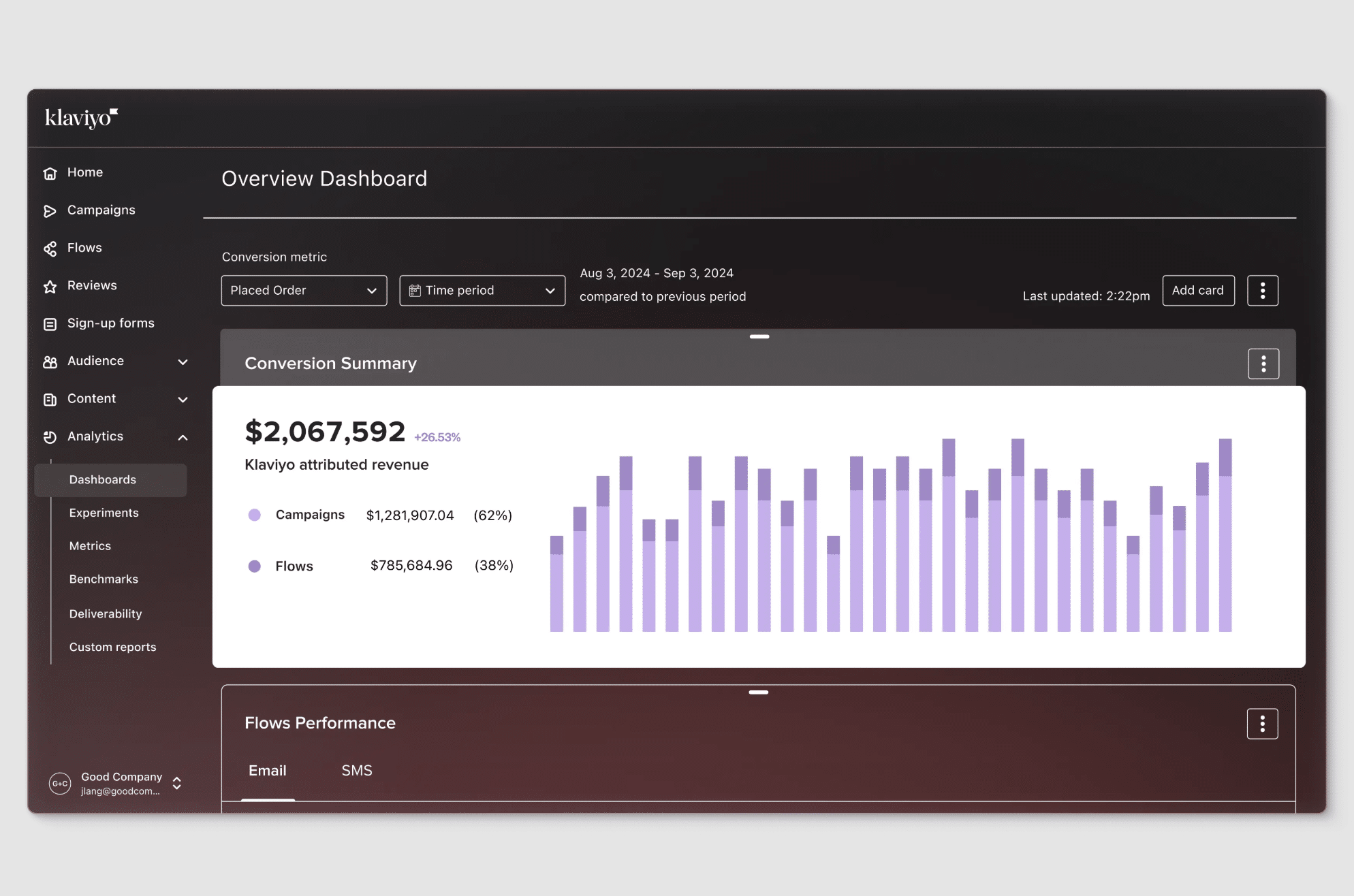
Klaviyo offers more advanced features than Mailchimp, particularly around segmentation, personalization, and e-commerce integration. It’s more expensive but provides capabilities that sophisticated marketers value.
Key features for vacation rentals:
- Advanced segmentation using multiple data points simultaneously (guests who stayed in summer AND booked family-size properties AND left 5-star reviews)
- Dynamic content blocks that change based on recipient data (showing different properties or offers to different segments within the same email)
- Predictive analytics identifying which subscribers are most likely to book based on engagement patterns
- SMS marketing integration for combining email and text campaigns
- Detailed revenue tracking showing exactly which emails generate which bookings
Klaviyo’s power comes with complexity. The platform assumes marketing sophistication and provides tools for detailed campaign optimization. If you’re just starting email marketing, Klaviyo may overwhelm you. If you’re ready to optimize beyond basic campaigns, Klaviyo provides the capabilities to do so.
Best for: Medium to large operators (10+ properties) with marketing experience who want detailed segmentation and performance tracking.
ActiveCampaign
Source: ActiveCampaign
ActiveCampaign combines email marketing with CRM (customer relationship management) functionality, making it useful for property managers who want unified systems for managing guest relationships alongside marketing campaigns.
Key features for vacation rentals:
- Built-in CRM tracking guest interactions, preferences, and booking history
- Marketing automation based on complex triggers and conditions (send X email if guest opens Y email but doesn’t click Z link)
- Landing page builder for creating booking pages without separate website tools
- SMS and WhatsApp messaging integration for multi-channel communication
- AI-powered send time optimization and content recommendations
ActiveCampaign sits between Mailchimp’s simplicity and Klaviyo’s advanced features. It offers more marketing automation than Mailchimp without Klaviyo’s steep learning curve. The CRM integration appeals to property managers who want single-platform visibility into guest relationships.
Best for: Property managers wanting combined email marketing and CRM without managing multiple platforms.
StayFi
Source: StayFi
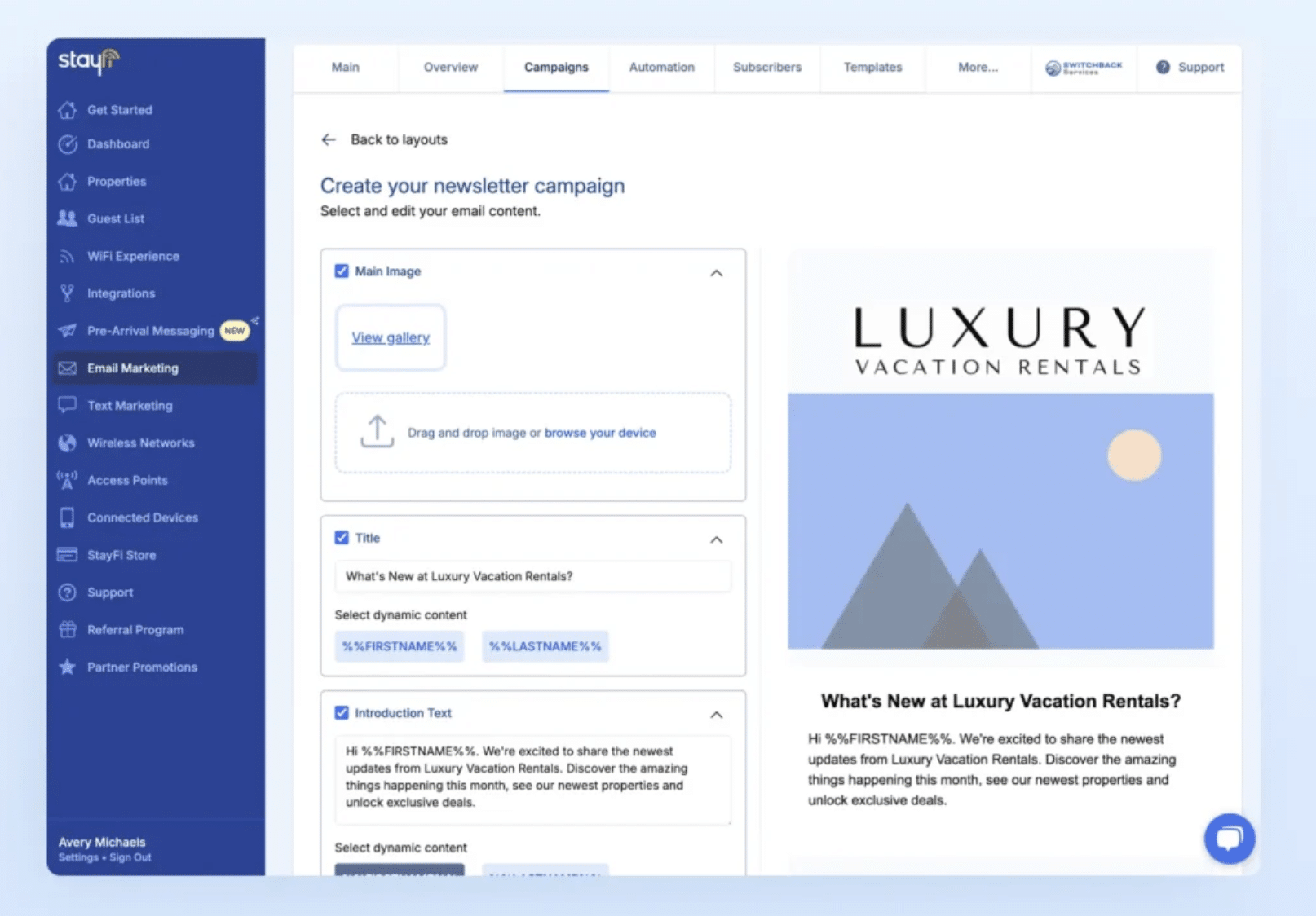
StayFi is built specifically for vacation rentals, integrating email marketing with WiFi-based guest data collection. When guests connect to your property’s WiFi network, StayFi captures their email address and adds them to your marketing list (with proper consent).
Key features for vacation rentals:
- Automatic email collection through WiFi login (guests provide emails to access internet)
- Pre-built email templates designed for vacation rental use cases (welcome emails, check-in instructions, upsell offers, review requests)
- Segmentation based on property type, location, booking source, and stay dates
- Integration with major property management systems for automatic data synchronization
- SMS marketing alongside email campaigns
StayFi solves a major challenge for vacation rental operators: building email lists when you can’t easily capture addresses at booking (because bookings come through OTAs). The WiFi integration creates a collection point that works regardless of booking source.
The trade-off is less flexibility than general email marketing platforms. StayFi focuses on vacation rental-specific use cases rather than providing every possible email marketing feature.
Best for: Property managers who primarily get bookings through OTAs and need a system for building email lists from those guests.
Bluetent
Source: Bluetent
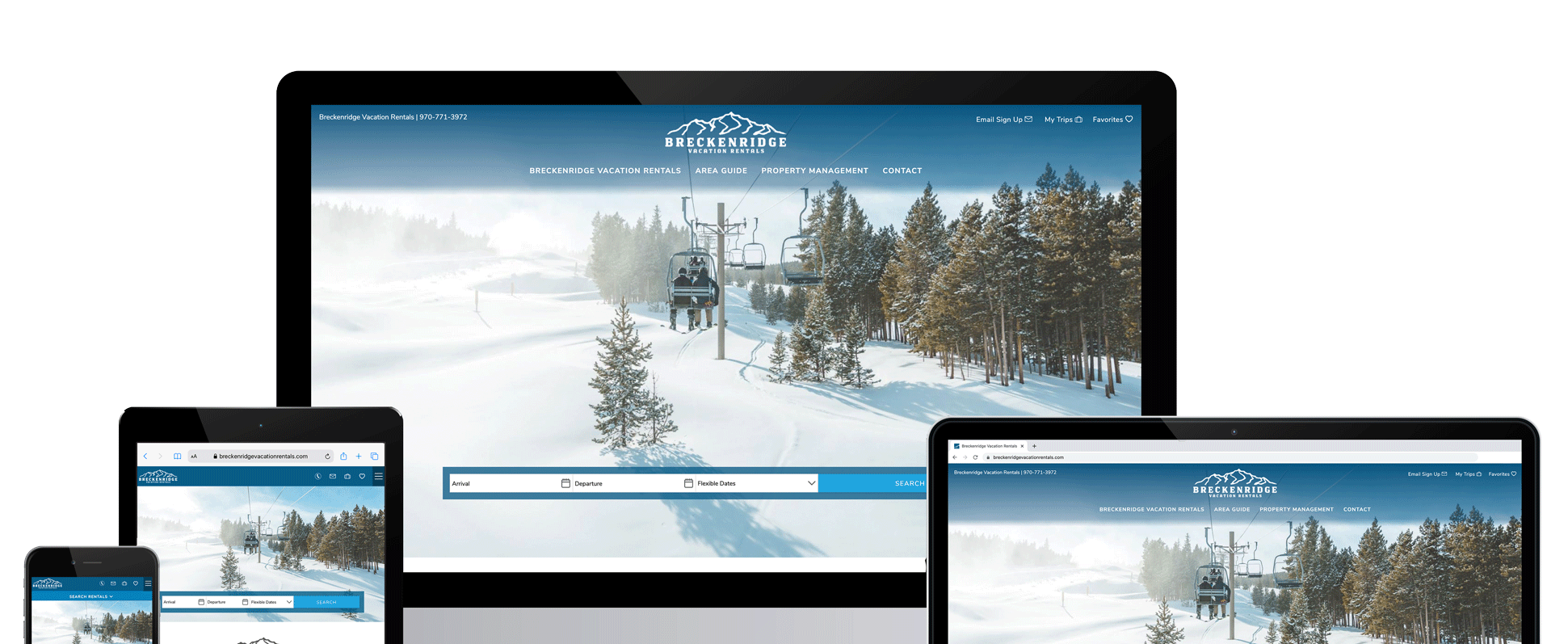
Bluetent offers email marketing as part of a broader vacation rental marketing platform that includes website development, digital advertising, and SEO services. Their email tools focus on integrating with direct booking websites to capture leads and move them through the booking funnel.
Key features for vacation rentals:
- Email lead capture tools integrated with vacation rental booking websites
- Traveler journey segmentation (awareness stage, consideration stage, booking stage, past guest)
- Campaign templates designed specifically for vacation rental promotions and guest communications
- Integration with Rezfusion booking platform (Bluetent’s website and booking system)
- Full-service options where Bluetent’s team manages campaigns for you
Bluetent works best for property managers using their broader platform or who want fully managed email marketing rather than DIY tools. If you’re comfortable managing campaigns yourself and don’t need vacation rental-specific website integration, general platforms like Mailchimp or Klaviyo offer more flexibility.
Best for: Property managers using Bluetent’s website/booking platform or wanting full-service email marketing management.
How to Launch Your First Email Marketing Campaign
Starting email marketing requires some setup work. Follow these steps to launch your first campaign.
Build or connect your direct booking website
Email marketing works best when you direct recipients to your own booking website instead of OTA platforms. This isn’t mandatory—you can include links to your Airbnb or Vrbo listings in emails—but converting email clicks into direct bookings eliminates platform fees and gives you full control over the booking experience.
Building a direct booking website is more accessible than many property managers assume. Modern property management systems include website builders with drag-and-drop interfaces. You don’t need coding skills or web development experience. Many platforms offer templates specifically designed for vacation rentals with integrated booking calendars and payment processing.
If you already rent exclusively through OTAs, you can still use email marketing effectively while you build direct booking infrastructure. Include OTA listing links in your emails initially, then transition to direct bookings once your website is ready.
Select and configure email marketing software
Choose an email marketing platform based on your budget, technical comfort level, and feature requirements. Most platforms offer free trials, so test 2-3 options before committing.
Once selected, complete basic setup:
Import existing contacts – If you already have guest email addresses from past bookings, import them into your new platform. Ensure you have proper permission to email these contacts (they provided emails for business purposes and didn’t opt out of marketing).
Create sender profile – Configure your “from” name and email address. Use your business name and a branded email domain ([email protected]) rather than personal Gmail or Yahoo addresses.
Set up basic templates – Most platforms provide templates you can customize. Create 2-3 templates for common use cases: promotional offers, guest communications, and newsletters. Customization should include your logo, brand colors, property photos, and standard footer information.
Configure automation triggers – Set up basic automated emails like booking confirmations and pre-arrival instructions if you handle direct bookings. These automated sequences ensure guests receive important information without manual effort.
Build your email list properly
Build your email list properly. You need explicit permission to send marketing emails—you can’t purchase lists or scrape addresses from websites.
Booking forms – Include an email field in your booking process (required for confirmations and communications). Add an optional checkbox for marketing emails: “Yes, send me special offers and updates about [Property Name].”
Website signup forms – Place email signup forms on your website homepage, blog posts, and property description pages. Offer an incentive for signing up: “Subscribe for exclusive discounts and local area tips.”
WiFi access – If you use a platform like StayFi, guests automatically provide emails when connecting to WiFi. Ensure your WiFi login page includes clear consent language about email communications.
In-person collection – For guests who book directly, ask if they’d like to join your email list for future offers. Provide a simple form or QR code linking to your signup page.
Referral programs – When referred friends book your property, their email becomes part of your list (with proper opt-in during booking).
Never add people to your list without permission. Sending unsolicited emails damages your sender reputation, gets your emails marked as spam, and violates privacy regulations in many jurisdictions.
Create your first campaign
Start with a simple campaign to your existing contacts rather than building complex automation immediately. A basic welcome-back offer for past guests works well as a first campaign.
Choose recipients – Select your audience segment. For a first campaign, target past guests who stayed within the last 12 months.
Write subject line – Keep it clear and benefit-focused: “Welcome back—save 15% on your next stay” or “We’d love to see you again at [Property Name].”
Design email content – Use a template and customize with property photos, personal message, offer details, and clear call-to-action button linking to your booking page or inquiry form.
Preview and test – Send test emails to yourself and colleagues. Check how the email displays on desktop and mobile devices. Click all links to ensure they work correctly.
Schedule or send – Choose the best send time based on your audience. Mid-week mornings (Tuesday-Thursday, 9-11am) often perform well for vacation rental marketing, though you should test timing with your specific audience.
After sending, monitor results. Check open rates (percentage of recipients who opened the email), click rates (percentage who clicked links), and conversions (percentage who booked). These metrics show whether your campaign resonated with recipients and identify areas for improvement.
Test and refine your approach
Your first campaign provides baseline data. Use it to improve future campaigns through testing.
Test one element at a time: subject lines, send times, content length, image quantity, offer types, or call-to-action button text. Send version A to half your list and version B to the other half, then compare results.
If version A generates 25% open rates and version B generates 32% open rates, use version B’s approach (subject line, send time, or whatever you tested) in your next campaign.
Over time, testing reveals what resonates with your specific audience. Some audiences respond to discount-focused subject lines, others prefer curiosity-driven headlines. Some prefer short, image-heavy emails while others engage more with longer, informative content. Testing replaces guessing with data.
Build Direct Relationships, Reduce Platform Dependence
Email marketing gives vacation rental operators direct access to guests without paying platform commissions or following OTA rules. It generates higher ROI than most marketing channels, strengthens relationships with past guests, and creates opportunities for repeat bookings that bypass expensive acquisition costs.
But email marketing only works if guests can book directly with you. Without Guest Screening and Damage Protection, direct bookings create risks that many property managers avoid by staying on OTA platforms where screening and protections are built in.
Control your marketing, protect your properties
Email drives direct bookings. Guest screening prevents problem bookings. Damage protection covers you when incidents occur despite screening.