
Guest experience determines whether your vacation rental succeeds or struggles. The difference between properties that maintain 80%+ occupancy and those sitting vacant isn’t always amenities or location — it’s how guests feel during their stay.
Research shows that 80% of travelers only consider properties with 4+ star ratings. 33% require 4.5 stars or higher.* Without consistently positive guest experiences that translate to strong reviews, you gradually lose bookings to competitors who prioritize guest satisfaction.
Guest experience encompasses more than clean bathrooms and timely check-in instructions. It includes every interaction from listing discovery through post-stay follow-up. Properties that optimize guest experience generate more positive reviews, command higher rates, attract repeat bookings, and reduce marketing costs through word-of-mouth referrals.
This guide covers what guest experience means for vacation rentals, how to measure it, current trends affecting guest expectations, factors that impact satisfaction, and proven strategies to enhance experiences that drive revenue.
*Customer Alliance: The ROI of guest review management for short-term rentals, 2025 Report
What Guest Experience Means for Vacation Rentals
Guest experience is how people feel when discovering, booking, staying at, and remembering your property. It includes every interaction: browsing your listing, reading descriptions, completing reservations, receiving arrival instructions, checking in, using the property, checking out, and providing feedback.
Guest experience differs from customer service. Customer service addresses immediate needs — guiding guests through check-in, answering questions about WiFi passwords, or resolving maintenance issues. Guest experience is broader, encompassing all touchpoints and focusing on emotional satisfaction beyond functional service delivery.
Positive guest experiences lead to repeat bookings and recommendations. Negative experiences generate poor reviews that directly impact occupancy and revenue. The feelings guests have during and after their stay determine whether they return, refer friends, or leave reviews that attract future bookings.

Why Guest Experience Drives Revenue
Treating guests well isn’t just good hospitality — it’s profitable business strategy. Properties that prioritize guest experience enjoy multiple financial benefits.
Higher review ratings increase bookings
Positive guest experiences inspire favorable reviews. Research shows that 20% of guests won’t book properties without recent reviews, making reviews essential for maintaining occupancy. Positive reviews improve listing visibility on platforms like Airbnb and Vrbo, making properties easier for potential guests to discover. Higher ratings help you survive low seasons more easily by maintaining steady booking flow.
Premium pricing for highly-rated properties
Better guest experiences make properties more valuable. When comparing similar listings, 83% of guests are willing to pay more for properties with more positive reviews. For properties with 5-star reviews, almost half of travelers would pay 5-10% more. This allows you to increase rates without harming occupancy, generating higher total revenue.
Reduced marketing costs through referrals
Satisfied guests recommend your property to friends and family. These referrals become free marketing that reduces acquisition expenses. Referrals may reach you directly, allowing you to avoid OTA fees and increase revenue further.
Research indicates that 88% of consumers trust personal recommendations more than traditional marketing. Positive guest experiences contribute to strong brand reputation and make your property a preferred choice among travelers.
Platform recognition and increased visibility
Airbnb hosts who consistently deliver positive guest experiences can earn Superhost status. Requirements include maintaining 90%+ response rates, less than 1% cancellation rates, and overall ratings of 4.8 or higher. According to AirDNA, Superhosts earn 28% more annually on average. The badge makes properties stand out in search results and attracts more bookings.
How to Measure Guest Experience
Measuring guest experience helps you identify what works, what needs improvement, and how changes affect satisfaction and revenue.
Guest surveys and feedback collection
Send brief surveys via email or booking platforms after checkout. Use 1-5 or 1-10 rating scales for specific aspects: ease of check-in, communication quality, cleanliness, amenities, and overall satisfaction. Keep surveys short (5-7 questions maximum) to increase completion rates.
Request feedback during stays to address issues before they affect reviews. Mid-stay check-ins via text or automated messaging let you resolve problems immediately rather than discovering them in public reviews later.
Review monitoring and analysis
Read reviews carefully and track recurring themes. Single complaints may be outliers, but patterns indicate systematic issues requiring attention. If multiple guests mention uncomfortable mattresses, slow WiFi, or confusing check-in instructions, those issues directly harm guest experience and need resolution.
Monitor reviews across all platforms where your property appears — Airbnb, Vrbo, Booking.com, Google, and your direct booking site if applicable. Guest sentiment may vary by platform depending on traveler demographics.
Key performance indicators
Track metrics that reflect guest satisfaction:
Repeat booking rate – The percentage of guests who book again indicates satisfaction. Low repeat rates suggest experiences aren’t meeting expectations.
Occupancy trends – Declining occupancy despite stable pricing and market conditions often signals guest experience problems. Compare your occupancy to local market averages to identify if issues are property-specific.
Revenue per available night – This metric combines occupancy and pricing, showing whether you’re maximizing revenue potential. Properties with strong guest experiences can charge higher rates while maintaining high occupancy.
Review response rate – The percentage of reviews you respond to demonstrates engagement. Research shows that 87% of travelers say host responses influence booking decisions.
Average rating by category – Most platforms provide category-specific ratings (cleanliness, accuracy, communication, location, check-in, value). Track these separately to identify specific areas needing improvement.
Regular measurement creates baseline data for evaluating changes. When you implement guest experience improvements, measurement shows whether they deliver results.
Shifts in Guest Expectations and How to Respond
Despite stricter short-term rental regulations across US and European cities, the vacation rental market continues growing. Statista projects the market will reach 1.11 billion users by 2030. Travelers increasingly view vacation rentals as attractive hotel alternatives, but expectations are evolving. According to Guesty’s 2024 research, 60% of vacation rental professionals report guests requesting higher quality experiences. Affordability alone no longer drives booking decisions.
Personalization becomes expected, not optional
McKinsey research shows that 71% of consumers expect personalized interactions from companies, and 76% feel frustrated when personalization doesn’t happen. Vacation rental guests want property managers to anticipate needs or provide choices that match their preferences.
How to respond:
Consider which personalized amenities add value for your specific guest segments. Properties near airports benefit from offering airport transfers. Leaving small welcome gifts or handwritten notes makes guests feel valued without significant cost. Stock local snacks or beverages that reflect regional character.
Use booking data to personalize communications. Reference whether guests are visiting for special occasions, traveling with children, or staying for work. Tailor recommendations and pre-arrival information accordingly.
Demand for local, authentic experiences
AirDNA data shows listings in small cities and rural areas growing at 13.76% year-over-year. Travelers seek calm, relaxing stays away from busy urban centers. Many guests want memorable local experiences rather than generic tourist activities.
How to respond:
If your property is in a location with unique history, traditions, or culinary offerings, highlight these features. Create detailed check-in guides with local stories, lesser-known attractions, and authentic restaurant recommendations beyond typical tourist spots.
Partner with local businesses to offer curated experiences: cooking classes with local chefs, guided hikes with area experts, or workshops featuring regional crafts. These partnerships generate additional revenue while enhancing guest satisfaction.
Sustainability and environmental responsibility
Booking.com’s 2024 sustainable travel report indicates that 83% of travelers confirm sustainability’s importance. 57% want to reduce energy consumption during trips. Many prefer shopping at local businesses and using bicycles or public transportation instead of cars.
How to respond:
Provide opportunities for eco-conscious stays without making sustainability mandatory. Mention energy-efficient appliances, recycling programs, and local business recommendations in your property guide. Offer bicycles for guest use if feasible.
Communicate environmental efforts without being preachy. A simple “We’ve installed LED lighting and energy-efficient HVAC to reduce environmental impact” informs guests without pressuring them. Don’t penalize guests for environmental choices — they paid for the stay and should decide their own level of eco-consciousness.
Health and wellness focus
Travelers increasingly seek properties near fitness facilities and healthy dining options. Wellness amenities influence booking decisions for significant guest segments.
How to respond:
If your property offers gym access, yoga spaces, or proximity to hiking trails, emphasize these features in listings and communications. Provide information about healthy restaurants, farmers markets, and wellness activities in your area guide.
Consider adding wellness touches: quality mattresses for better sleep, blackout curtains, air purifiers, or healthy welcome snacks. These improvements benefit all guests while appealing specifically to wellness-focused travelers.
Pet-friendly properties command premium rates
According to AirDNA, pet-friendly listings outperform no-pet alternatives with 5.4% higher growth rates and $17.41 higher average daily rates. Pet-friendliness is especially valuable in luxury segments.
How to respond:
If feasible, allow pets and charge appropriate fees ($25-50 per stay typically covers additional cleaning). Equip properties with pet amenities: food and water bowls, waste bags, pet beds, and welcome treats. Most pet owners appreciate these touches and leave positive reviews mentioning pet-friendliness.
For houses with yards, install fencing to create secure outdoor spaces. Clearly communicate pet policies, size restrictions, and rules in listings to set proper expectations.
Technology-enabled, contactless experiences
Post-COVID, contactless self-check-in transitioned from convenience to expectation. Guests prefer avoiding coordination with hosts for arrival times and key exchanges.
How to respond:
Install smart locks, keypad entry systems, or secure lockboxes for contactless access. Send detailed check-in instructions with access codes 24 hours before arrival. Remain available via phone or messaging for guests who need assistance, but don’t require in-person meetings.
Integrate smart home devices where practical: smart thermostats guests can adjust via app, voice-activated assistants for controlling lights and entertainment, or automated curtains. These technologies enhance convenience while appealing to tech-savvy travelers.
Factors That Shape Guest Experience
Guest experience depends on numerous interconnected elements throughout the booking and stay process. Understanding these factors helps you identify improvement opportunities.
Pre-arrival factors
Listing quality and accuracy
Detailed descriptions with high-quality photos create accurate initial impressions. Include room dimensions, bed types, specific amenities, accessibility features, parking details, and unique property characteristics. Photos should be realistic — overselling leads to disappointment when expectations don’t match reality.
Booking process simplicity
Minimize clicks and unnecessary questions during booking. Complex processes cause abandonment. Clear pricing with transparent fees builds trust. Use secure payment methods and always send confirmation emails immediately after booking.
Communication responsiveness
Research indicates that one-fifth of guests report missing information they needed. Fast, comprehensive communication prevents this. Respond promptly to inquiries before booking. Automate booking confirmations, payment receipts, and pre-arrival instructions while maintaining personal tone in messaging.
Arrival and check-in factors
Check-in instructions clarity
Provide step-by-step instructions guests can access easily: property address, parking location, access codes, WiFi details, and emergency contact information. Send these 24 hours before arrival when guests are finalizing travel plans.
Organize self-check-in but offer personal greetings for guests who prefer them. Flexibility accommodates different preferences.
First impressions
Properties should match listing photos and descriptions exactly. Surprises harm guest experience even if the reality is acceptable — guests booked based on specific expectations.
Ensure properties are immaculately clean for arrival. Cleanliness is the single most important factor for guest satisfaction. Professional cleaning services guarantee consistency. Request photo documentation after each cleaning for quality verification.
During-stay factors
Essential amenities and comfort
Provide must-have vacation rental amenities: quality linens, toiletries, coffee and tea, basic cooking supplies, and entertainment options. Missing essentials frustrates guests who expect standard accommodations.
Sleep quality significantly affects satisfaction. Invest in comfortable mattresses and pillows. Install blackout curtains for better sleep. Keep all bedding fresh and clean.
Temperature control matters year-round. Functional heating and air conditioning with guest-accessible controls ensure comfort regardless of weather.
Aesthetic atmosphere
Thoughtful decor creates welcoming environments. Properties don’t need expensive furnishings but should feel cohesive and comfortable. Draw inspiration from hospitality design resources or hire professional designers for initial setup.
Noise management
Soundproofing reduces disturbances from neighbors or street traffic. When soundproofing isn’t feasible, provide earplugs and set accurate expectations about noise levels in listings.
Safety and security
Install reliable locks, smoke detectors, carbon monoxide detectors, fire extinguishers, and first aid kits. Balance security and guest experience carefully — excessive security measures can feel intrusive while inadequate security creates anxiety.
Property guide and local information
Create comprehensive digital guides covering: WiFi access, property rules, emergency contacts, nearby grocery stores and restaurants, transportation options, local attractions, and unique area recommendations. Well-organized information prevents repetitive guest questions while enhancing their ability to enjoy the area.
Responsive problem-solving
Issues inevitably occur — appliance malfunctions, unexpected noise, confusing instructions. Address problems quickly and professionally. Guests remember how you handle difficulties more than the difficulties themselves. Proactive problem-solving converts potentially negative experiences into opportunities for positive reviews praising your responsiveness.
Location and accessibility factors
Neighborhood transparency
Be honest about location characteristics. You can’t change your property’s neighborhood, but you can set accurate expectations. If areas are busy, mention this in listings. If public transportation is limited, provide detailed alternative transportation information.
Transportation access
Poor public transportation access affects guest experience significantly. Warn guests about potential issues and suggest convenient alternatives: rideshare services, car rentals, bicycle options, or shuttle services if you provide them.
Post-stay factors
Check-out simplicity
Minimize check-out requirements. Excessive cleaning instructions (strip beds, run dishwashers, take out trash, etc.) frustrate guests who paid cleaning fees. Simple requests (start dishwasher, place towels in designated area) are acceptable, but don’t transfer cleaning responsibilities to guests.
Offer flexible check-out times when possible. Late check-out flexibility improves guest satisfaction when properties aren’t booked immediately after their departure.
Post-stay communication
Send thank-you messages after checkout. Leave thoughtful reviews for guests — positive host reviews encourage reciprocal guest reviews. Friendly post-stay communication strengthens positive impressions and reminds guests to review your property.
This isn’t an exhaustive list — guest experience includes countless details. Regularly stay at your own properties (or similar rentals) to experience what guests experience. This firsthand perspective reveals improvement opportunities you might otherwise miss.
Strategies to Enhance Guest Experience
Improving guest experience requires comprehensive strategies addressing multiple touchpoints. These proven approaches help create top-rated rentals.
Understand your target audience deeply
You can’t meet everyone’s needs with one property. Define your ideal guests by analyzing past booking patterns. Common traveler personas include solo travelers, couples, families, digital nomads, adventure seekers, luxury travelers, and eco-conscious travelers.
Once you identify your primary audience, optimize your property accordingly. Families prioritize safety, comfort, and kid-friendly amenities. Digital nomads need reliable high-speed internet, comfortable workspaces, and ergonomic seating. Adventure seekers appreciate proximity to activities, outdoor gear storage, and local adventure guides.
Communicate relevant features prominently in listings and marketing. If you target families, emphasize child safety features, nearby parks, and family-friendly local attractions. If you target business travelers, highlight workspace quality, fast internet speeds, and proximity to business districts.
Map and optimize the guest journey
Plot every touchpoint from initial listing discovery through post-stay follow-up. Identify what guests need at each stage and how you can simplify their experience.
Discovery stage: Is your listing easily findable? Do photos accurately represent your property? Does your description highlight benefits for your target audience?
Booking stage: Is the reservation process straightforward? Are fees transparent? Do confirmation emails provide all necessary information?
Pre-arrival stage: Do guests receive timely communications with check-in details, area information, and answers to common questions?
Arrival stage: Are check-in instructions clear and accessible? Does the property match expectations set by your listing?
During-stay stage: Are amenities functional? Can guests easily contact you with questions? Are local recommendations helpful and accurate?
Departure stage: Is check-out simple? Do you thank guests and request feedback?
Post-stay stage: Do you respond to reviews? Do you invite past guests to return?
Ask past guests about difficulties they experienced or analyze reviews for recurring pain points. Common issues: slow response times, confusing arrival instructions, missing information about local area, unclear house rules, or maintenance problems. Fixing these systematic issues creates smoother guest experiences.
Implement professional cleaning and maintenance
Cleanliness and functional appliances form the foundation of positive guest experiences. Properties you can manage alone when starting may require professional support as you scale.
Hire professional cleaners even for single properties if possible. Grant cleaners access to your booking calendar so they arrive after checkout to prepare for next guests. Professional cleaning guarantees consistency rather than depending on your availability and attention to detail.
Establish maintenance schedules for regular equipment checks: HVAC servicing, appliance inspection, plumbing checks, and safety equipment testing. Preventive maintenance prevents mid-stay failures that damage guest satisfaction.
Professional support ensures properties remain rental-ready while freeing your time for other property management tasks that enhance guest experience.
Create seamless guest screening processes
Identity verification protects your property from problematic guests and potential damage. However, requesting documents directly often faces resistance, especially when you use screening in addition to Airbnb verification. Guests assume Airbnb registration sufficiently verifies identity, though Airbnb actually takes limited responsibility for thorough background checks.
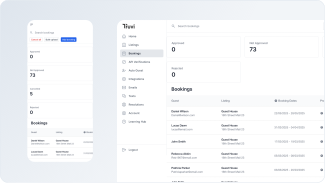
Make screening unobtrusive through automated guest screening services. Truvi automatically reviews booking details and runs background checks without bothering guests for additional documentation. You see simple status indicators — Approved, Flagged, or Rejected — for each booking and decide how to proceed.
This eliminates the need to request ID details directly, making the process seamless for guests while protecting your property. Smooth screening builds trust rather than creating friction that harms guest experience.
Personalize communications strategically
Adapt message tone, content, and timing to your target audience. If you use AI-powered property management systems, leverage their capability to analyze guest information for personalization.
Ensure all essential information reaches guests proactively: booking confirmations, payment details, check-in instructions, house rules, checkout procedures, and local recommendations. Provide this information before guests ask, eliminating the communication gaps that frustrate travelers.
Respond to all reviews, including negative ones. Research shows that 68% of potential guests evaluate negative reviews carefully and read host responses before deciding whether properties merit consideration. Professional responses to criticism demonstrate commitment to improvement and guest satisfaction.
Balance automation with personal touch
Use AI-powered property management systems to automate guest communications, personalize marketing messages, analyze performance metrics, and implement dynamic pricing. These systems save significant time managing routine operations.
However, don’t automate everything. Test automated workflows before implementing them broadly to ensure they don’t undermine guest experience. Guests value automation’s smoothness and consistency, but they still need reliable ways to reach you directly for unusual issues requiring human judgment.
AI-generated messages work well for routine communications (booking confirmations, check-in instructions, checkout reminders) but can’t replace personal attention that makes guests feel valued. Maintain balance between efficient automation and authentic human connection.
Protect properties and guests from damage stress
Accidental property damage creates significant stress for guests. Most people feel terrible about damaging others’ property and want straightforward ways to resolve issues. Truvi’s Damage Protection services let hosts get reimbursed for common issues without pressuring guests into immediate payment.
Coverage includes accidental or intentional guest damage, smoke damage in non-smoking properties, and unsolicited parties. Truvi offers protection levels up to $1 million depending on property type and rental services. Claims typically process within 3-5 business days.
Protection coverage improves guest experience by removing post-stay damage disputes from the relationship. Guests know they’re covered for accidents, reducing anxiety about potential charges. You’re protected from financial loss, reducing stress about accepting bookings.
Create Exceptional Experiences, Protect Your Investment
Guest experience determines vacation rental success. Properties that consistently satisfy guests generate positive reviews, maintain high occupancy, command premium rates, and build sustainable businesses through repeat bookings and referrals.
Improving guest experience requires attention to every touchpoint: accurate listings, smooth booking processes, clear communication, seamless check-ins, immaculate cleanliness, thoughtful amenities, responsive problem-solving, and friendly post-stay follow-up.
But exceptional guest experience only delivers results if your properties remain operational and profitable. Problem guests derail even the best hospitality strategies. Property damage blocks calendars during peak season. Incidents create stress that distracts from delivering great experiences to good guests.
Deliver great experiences, prevent the problems
Guest screening stops problem bookings before they arrive. Damage protection covers you when incidents happen despite screening. Together, they let you focus on hospitality instead of crisis management.