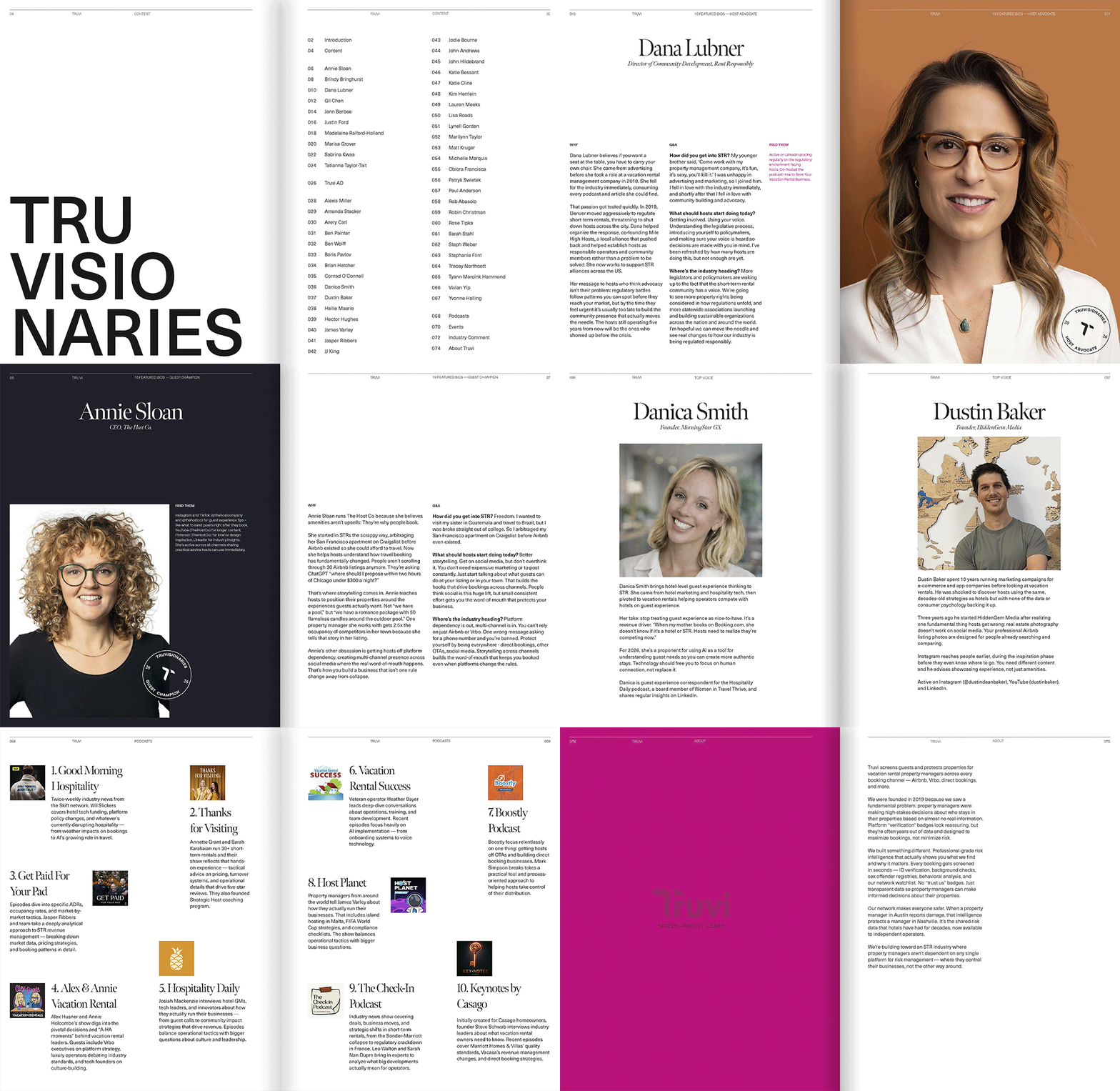
Truvisionaries
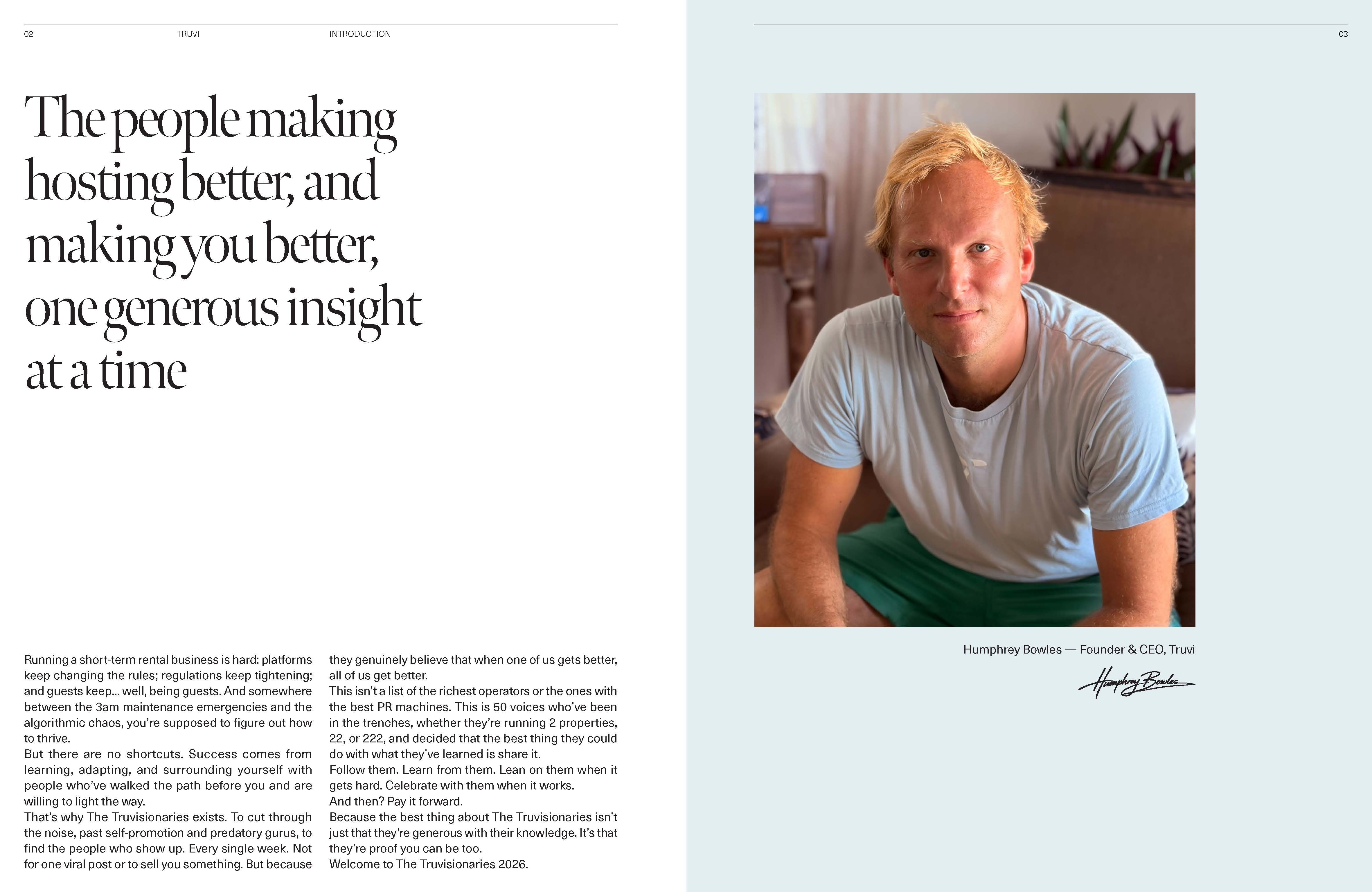
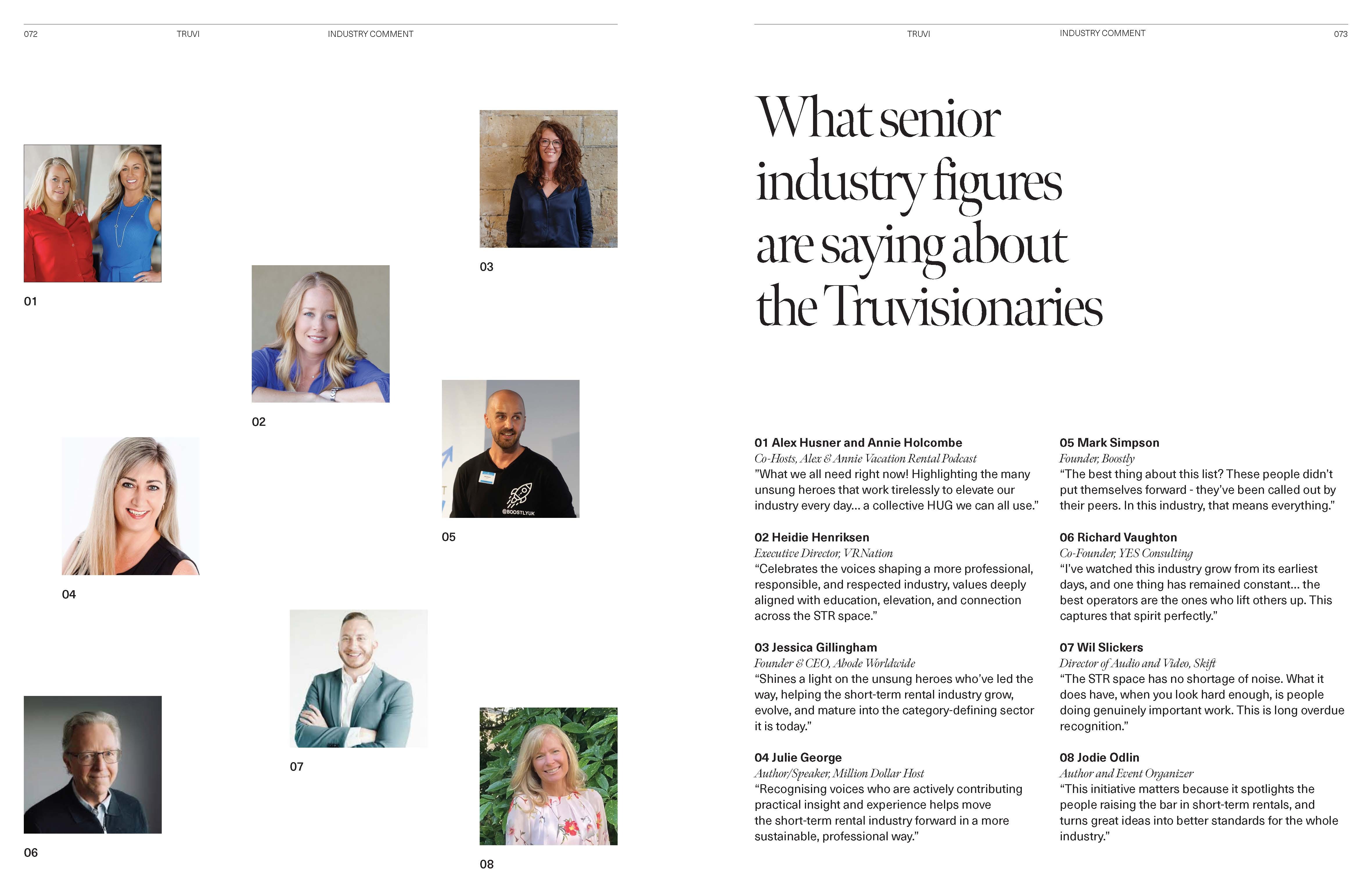
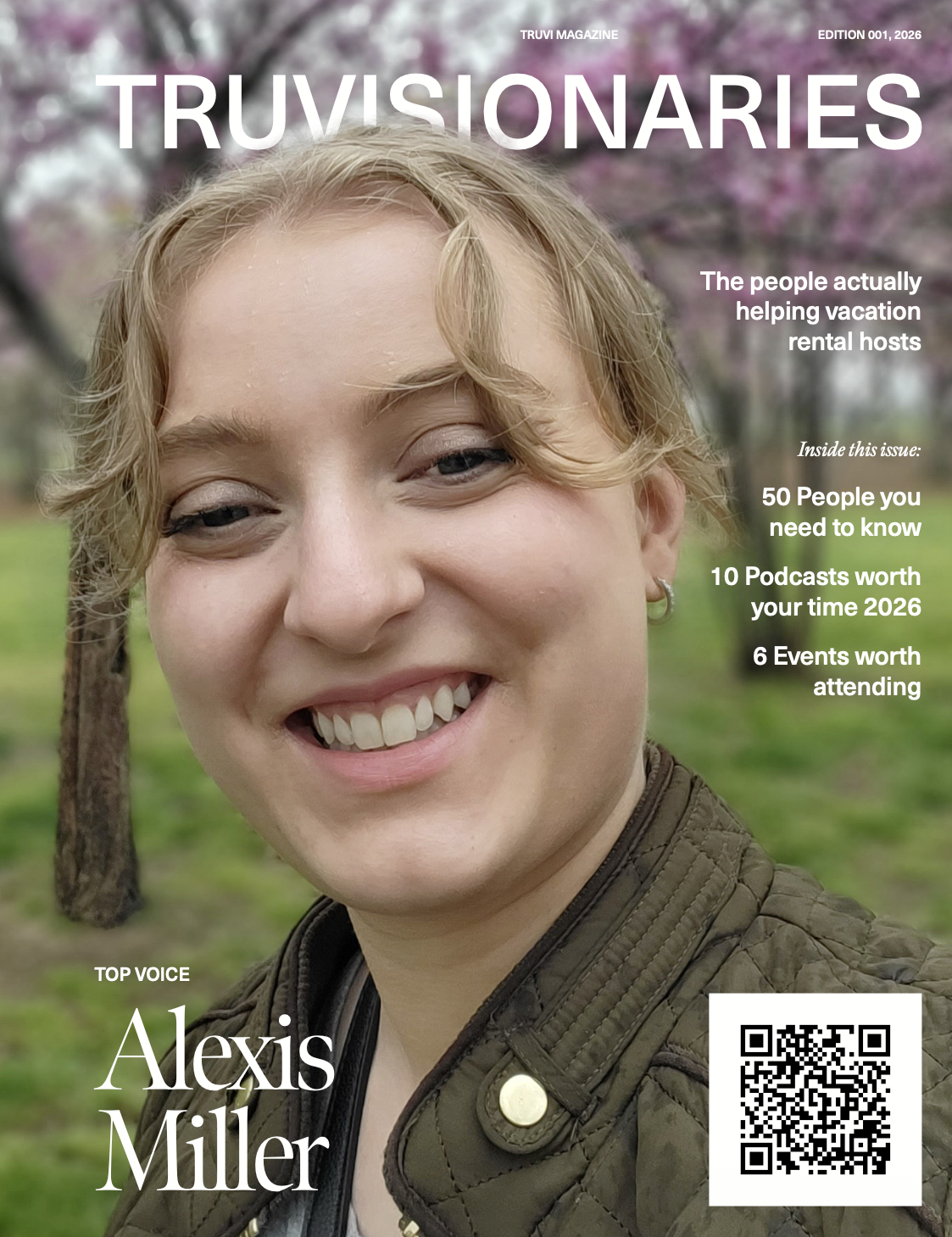
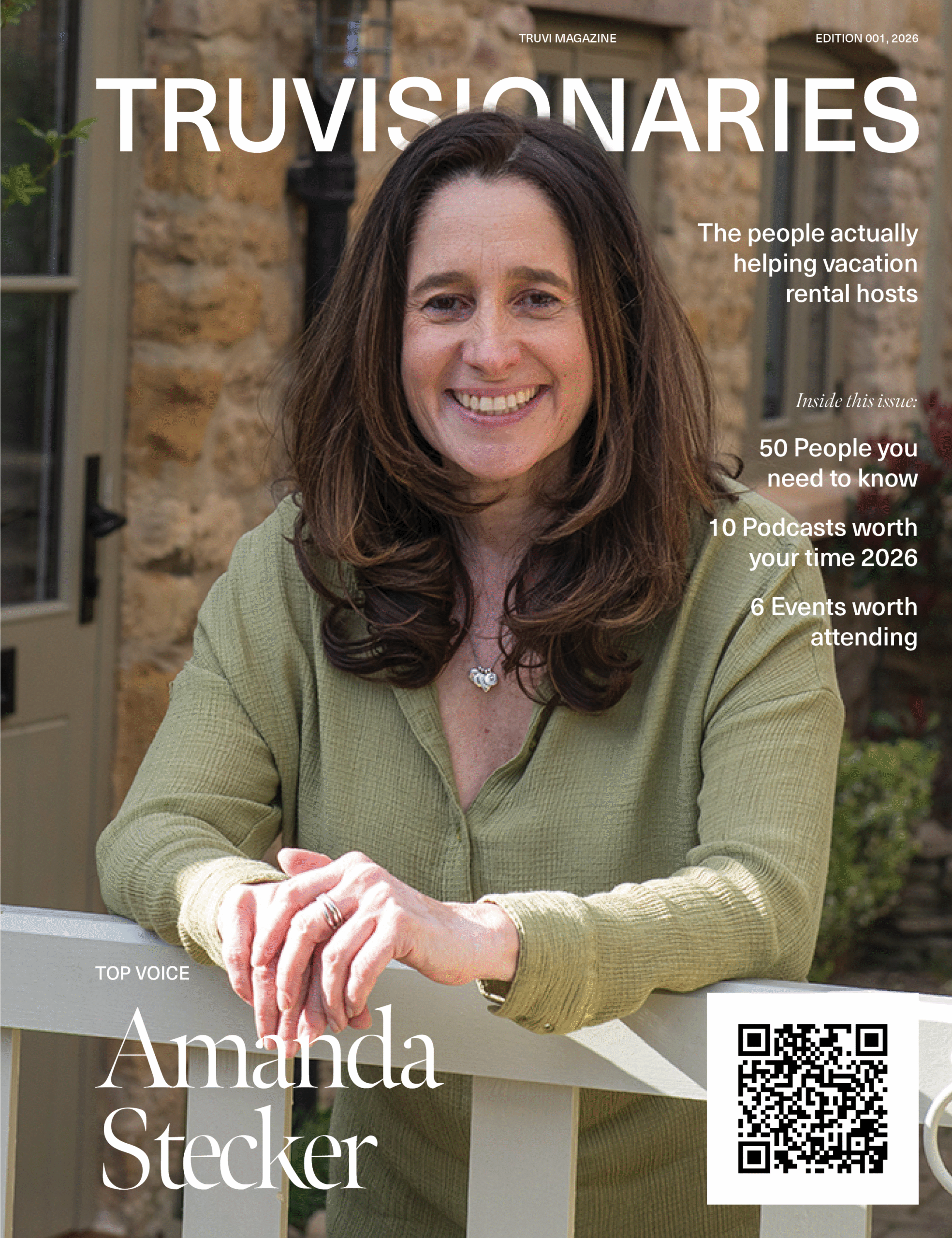
50 voices helping hosts in the vacation rental industry
(interviews, tips and tricks inside)
Read the magazine

Experience Curator
Alexis Miller is one to watch. She grew up in vacation rentals – her parents started Cottage Connection of Maine 33 years ago – and within two years, she was doing the work of 4 previous team members, massively streamlining operations.
She mastered AI fast, using it for competitive analysis (running reviews to see how the market views her properties versus competitors) and marketing planning, and says all hosts should be learning to use the tools.
Her advice: get your own website if you’re only on OTAs. And don’t try to be someone you’re not.
“Gen Z grew up with influencers, so we can see through the BS. We want real people, authenticity, and knowledge from actual authorities. If you can capture that, you’re gonna bring in direct bookings.”
Very active on LinkedIn and at industry events.
Holiday Letology and Unique Cotswold Cottages
Amanda Stecker built her Cotswolds portfolio around romantic luxury stays for couples. She spotted a gap in the market and filled it, growing from two properties to several hundred thousand in annual revenue.
Her advice? Stop treating your listing like a static shop window. Update photos and copy seasonally. Christmas tree pictures go up before Christmas when you want those bookings. New Year? Showcase cozy log fires. Most hosts upload professional photos once and never touch them again.
“There’s a lot of vanilla properties out there. In January and February especially, there’s saturation and less demand. You’ve got to stand out with those extra little touches.”
Find her on Instagram (@holidayletology) sharing free webinars, ebooks, and actionable tips.
CEO, The Host Co.
Why?
Annie Sloan runs The Host Co because she believes amenities aren’t upsells: They’re why people book.
She started in STRs the scrappy way, arbitraging her San Francisco apartment on Craigslist before Airbnb existed so she could afford to travel. Now she helps hosts understand how travel booking has fundamentally changed. People aren’t scrolling through 30 Airbnb listings anymore. They’re asking ChatGPT “where should I propose within two hours of Chicago under $300 a night?”
That’s where storytelling comes in. Annie teaches hosts to position their properties around the experiences guests actually want. Not “we have a pool,” but “we have a romance package with 50 flameless candles around the outdoor pool.” One property manager she works with gets 2.5x the occupancy of competitors in her town because she tells that story in her listing.
Annie’s other obsession is getting hosts off platform dependency, creating multi-channel presence across social media where the real word-of-mouth happens. That’s how you build a business that isn’t one rule change away from collapse.
Q&A
How did you get into STR?
Freedom. I wanted to visit my sister in Guatemala and travel to Brazil, but I was broke straight out of college. So I arbitraged my San Francisco apartment on Craigslist before Airbnb even existed.
What should hosts start doing today?
Better storytelling. Get on social media, but don’t overthink it. You don’t need expensive marketing or to post constantly. Just start talking about what guests can do at your listing or in your town. That builds the hooks that drive bookings across channels. People think social is this huge lift, but small consistent effort gets you the word-of-mouth that protects your business.
Where’s the industry heading?
Platform dependency is out, multi-channel is in. You can’t rely on just Airbnb or Vrbo. One wrong message asking for a phone number and you’re banned. Protect yourself by being everywhere – direct bookings, other OTAs, social media. Storytelling across channels builds the word-of-mouth that keeps you booked even when platforms change the rules.
Find Them
Instagram and TikTok (@thehostcompany and @thehostco) for guest experience tips – like what to send guests right after they book. YouTube (TheHostCo) for longer content. Pinterest (TheHostCo) for interior design inspiration. LinkedIn for industry insights. She’s active across all channels sharing practical advice hosts can use immediately.

CEO and Founder, The Short Term Shop
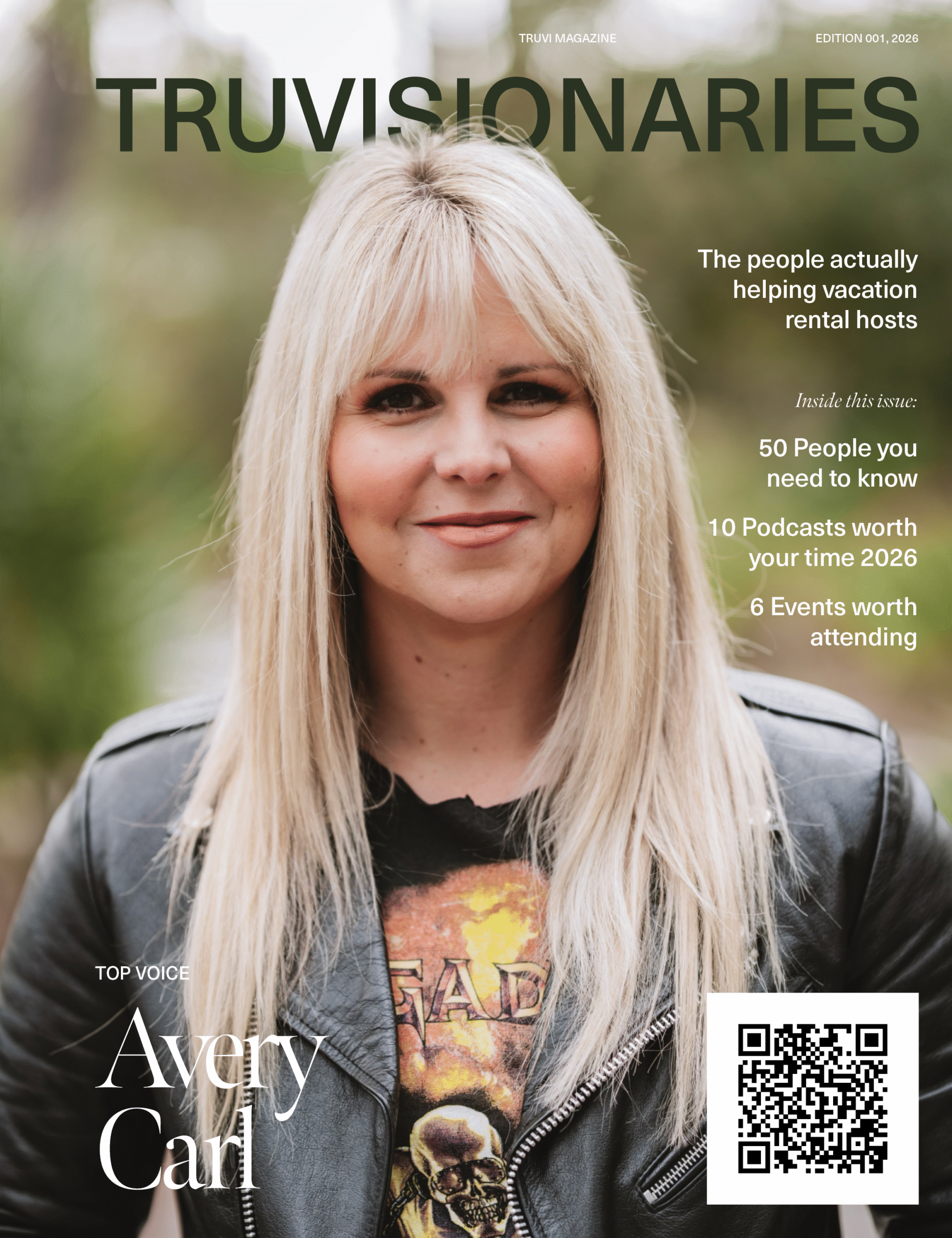
Avery Carl went from a $37,000 salary to over 220 doors in five years by focusing only on vacation markets, not metro areas where locals live.
Her biggest pushback is on market saturation. When hosts say a market is saturated, she looks at the listings and sees wicker furniture from 2005, white tiles with black grout, and pastel grandma decor. Just because there are lots of rentals doesn’t mean there are lots of good rentals.
Before data companies existed, she looked at popular properties in her market booked at high rates. What do they have that makes them successful? What can you do better? You’re never competing with the entire market, just your bedroom count and really just good listings versus bad ones.
Host of The Short Term Show podcast. Active on YouTube (@TheShortTermShop), Instagram (theaverycarl), and LinkedIn. Also runs the Smarter Short Term Rentals Facebook group.
STR Advisor
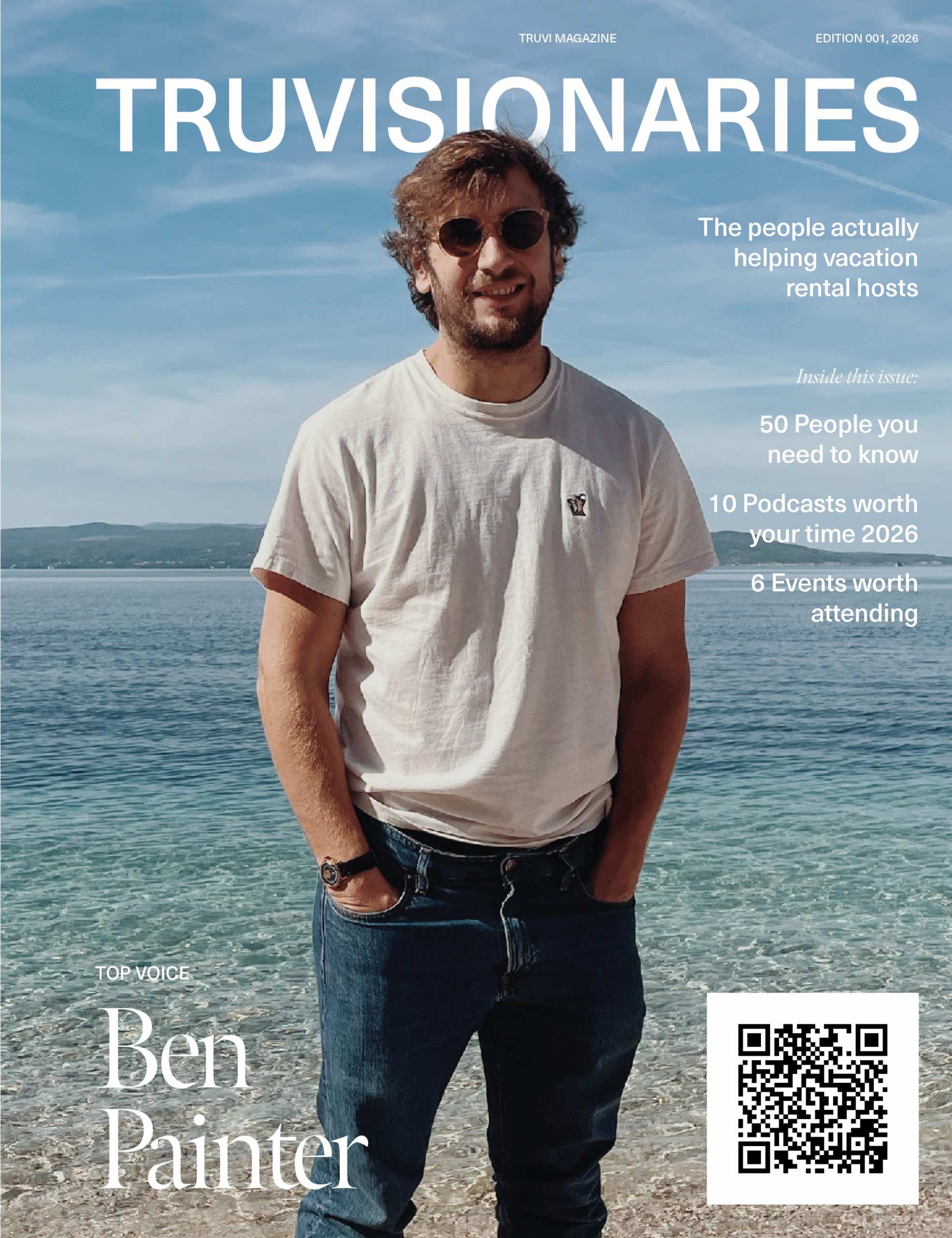
Ben Painter took a property management company from 7 properties to 1,500 in less than a decade with zero STR experience. He was an estate agent and hated it until he found someone who was going to close their property business. Instead, he offered to run it and they split it 50/50.
“If you’re doing the same thing as everybody else, you’re going to get the same result,” Ben says.
So while operators obsessed over Google Ads, he spent entire days calling people with long-term rental listings on sites like Gumtree and SpareRoom, convincing them to switch to short-term rentals instead. It worked.
Now he consults on STR operations, scaling strategies, and maximizing ROI. Active on LinkedIn sharing industry insights and appearing regularly on podcasts.
Co-Founder, Onera/Oasi
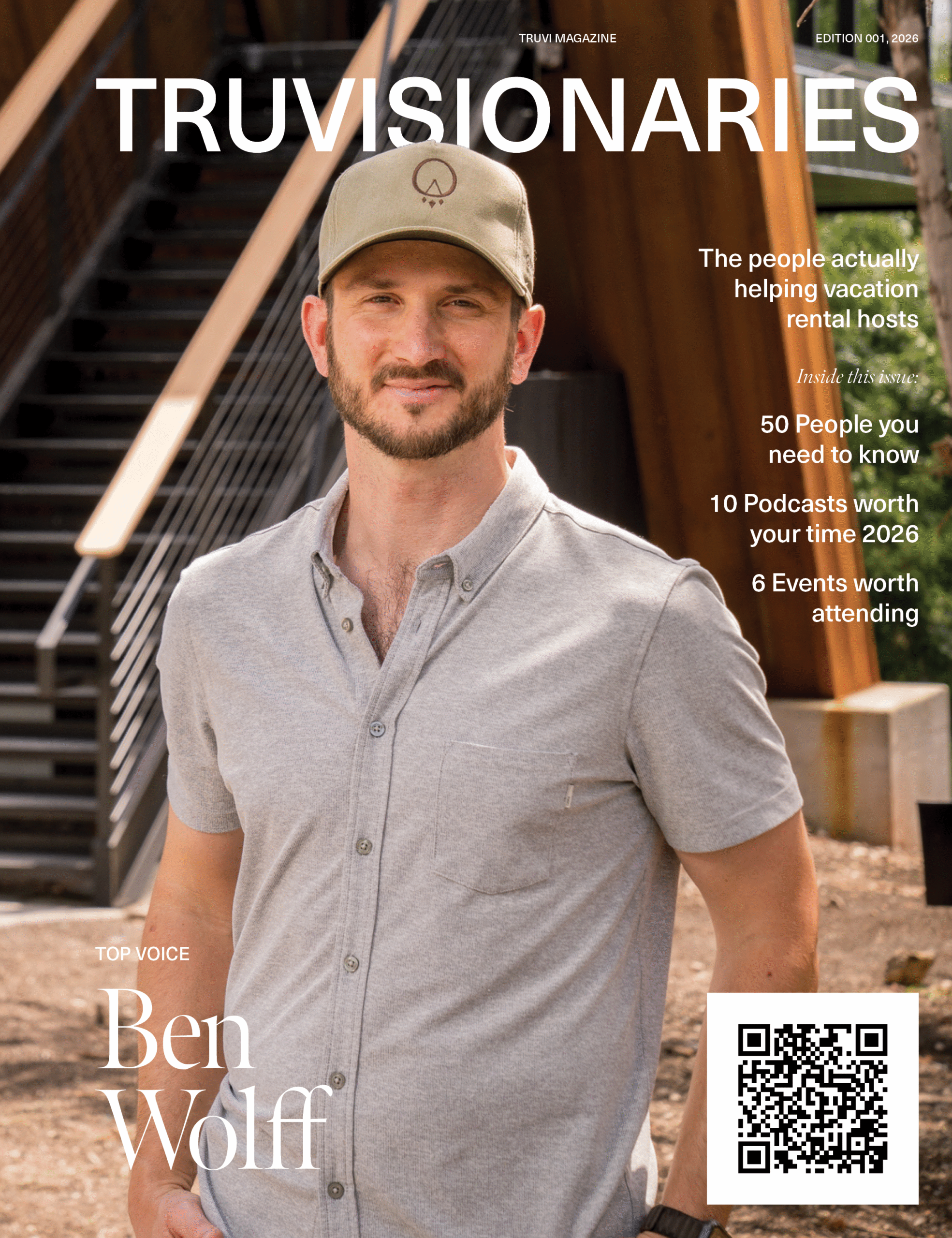
Ben Wolff spent six weeks on his honeymoon driving an RV through southwestern national parks. The filtration system broke, a latch snapped and their stuff flew onto the highway. He wanted the nature experience without the friction, so he built upscale treehouse hotels where guests wake up to sunrises in an enchanted forest without dealing with RV disasters.
After COVID killed his urban STR business, he went all in on experiential outdoor properties. His approach to social media marketing is blunt: you need something visually compelling or you’re wasting your time. Standard house? Add the insane deck with hot tubs. Or use humor and storytelling like Ryanair does with an unremarkable product.
Co-founded Onera treehouse hotels and Oasi marketing firm. Active on Instagram (@iambenwolff) and LinkedIn. Also distributes the Modern Hospitality newsletter.
CEO, Flataway
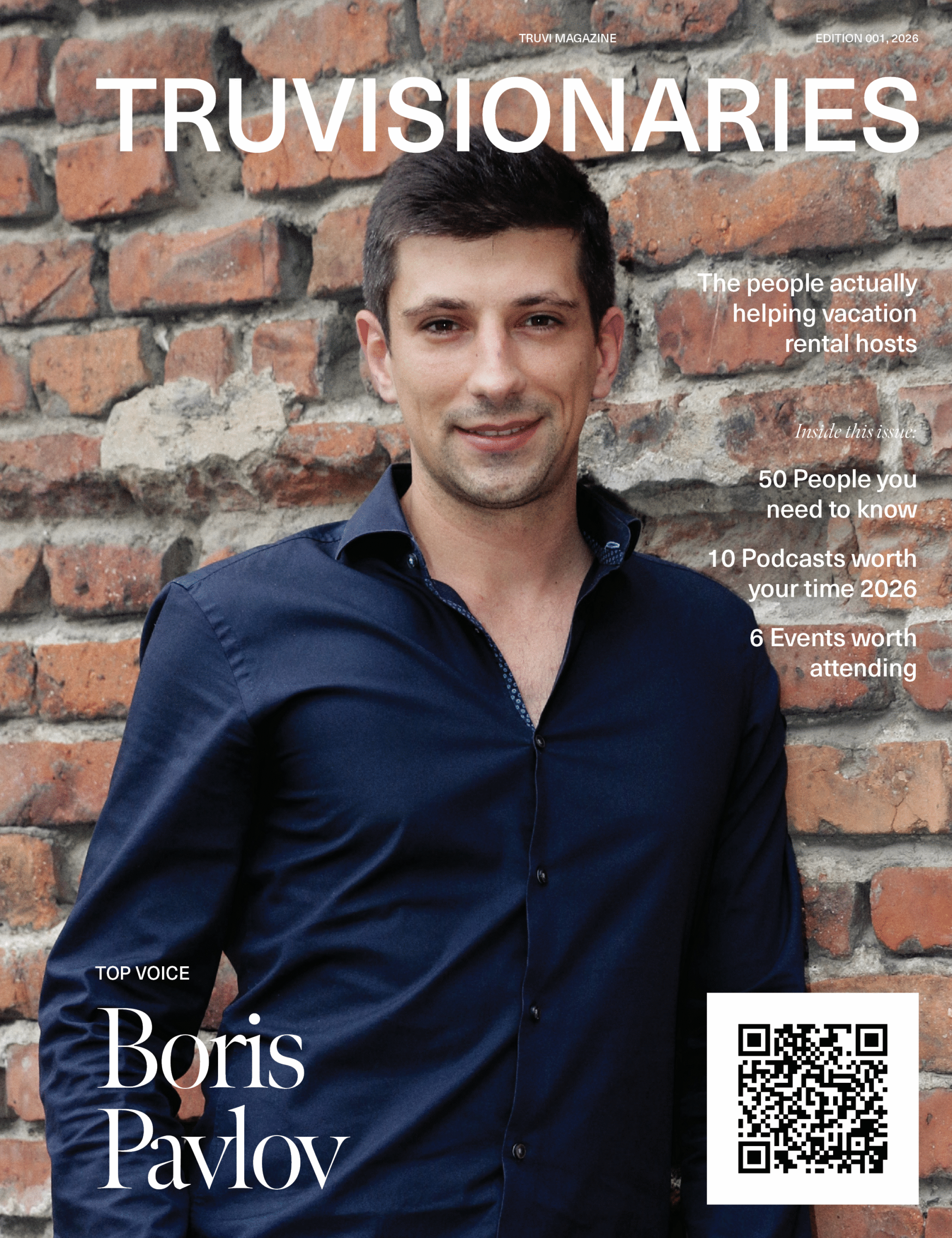
Boris Pavlov built a property management company from zero to 800 units before selling it in 2024. Now he runs Flataway, focused on one thing: helping hosts reduce their reliance on Airbnb and Booking.com for bookings.
His argument is that AI is quietly changing who controls distribution. ChatGPT and Google are becoming how guests discover where to stay. Hosts who prepare now will capture bookings that platforms currently own.
A practical move hosts can make today? Add a FAQ section to your website, featuring short answers (40-60 words) written the way a guest would actually ask the questions. Covering things like “why is this place good for families?” and “what makes it different from the hotels nearby?” AI treats these as a trust signal.
Active on LinkedIn and a regular guest on industry podcasts like The Check-In.
Founder, Hatch Capital
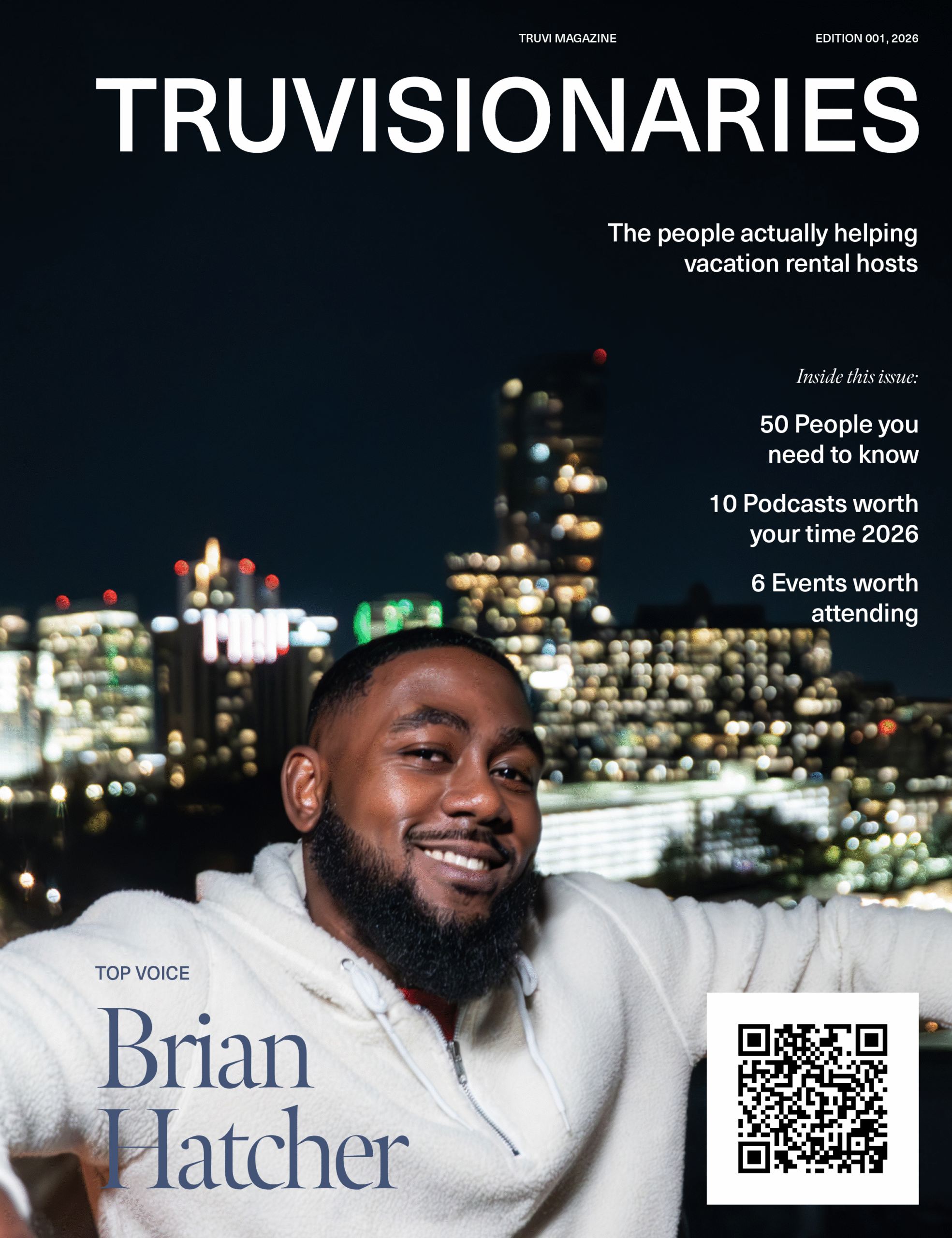
Brian Hatcher bought a duplex straight out of college and house hacked his way into short-term rentals. His second duplex became an Airbnb that covered his rent and generated $2,000 a month on top. He had SuperHost status within three months.
After that early success, he spent several years as a data analytics consultant at KPMG working with Fortune 100 companies before leaving to focus on real estate full-time. That analytics background shapes everything he does now.
Pricing should be proactive, not reactionary. Too many hosts set a pricing tool and forget it, leaving revenue on the table. He’s currently developing PricePulseAI, a pricing intelligence tool designed to help hosts stay ahead of the market rather than react to it.
Find him on Instagram (@hatch_capital), Facebook, X (@Hatch_Capital), and LinkedIn.

Professional Co Host & Mentor
Why?
Brindy Bringhurst started in 2017 listing her own home on Airbnb while traveling. In 2020, she left her job to run Southwest Wanderlust full time, now managing 29 properties across Arizona with a team of four.
She teaches hosts building co-hosting businesses or scaling from solo operations to teams. Her approach is transparent about mistakes, like spending years figuring out systems or signing up for too much software at conferences. She walks through frameworks for building from scratch, emphasizes strategic networking at real estate investor meetups where you’re the only STR person in the room, and pushes hosts to identify their ideal client before saying yes to everything.
Brindy says the easy days of listing your home and making profit are gone: you either offer something really special or have it exceptionally well optimized. She thinks the industry will polarize with individuals renting vacation homes succeeding on one end, optimized managers on the other, and everyone in between finding it increasingly tough.
Q&A
How did you get into STR?
I wanted extra money for house repairs and was watching what was happening with Airbnb. Listed my home while traveling or staying with my parents. Made way more than expected, so I decided to do more of it.
What should hosts start doing today?
Use AI to automate everything you can, but be very intentional about where you keep the human touch. When I started, I knew every single guest. Their name, who they were traveling with, why they were visiting. As I scaled, I started losing touch with that. I didn’t really know who was coming in, just that the lock code worked and the place was clean. That’s not how you earn loyalty. Look at each guest as an individual. Know that Sarah’s coming for her anniversary and leave a handwritten note and champagne, not just an automated message.
Where’s the industry heading?
Individuals renting vacation homes will succeed because they offer something different. Managers balancing automation and human touch will succeed, but people in between who aren’t offering something special or haven’t optimized it will struggle. You either offer something really special or have it really well optimized.
Find Them
Brindy shares co-hosting tips on Instagram (@airbrindy) and hosts a free weekly Airbnb Ambassador webinar that’s been watched by nearly 5,000 students over four years. She offers 1:1 coaching and maintains a toolkit of tried-and-true recommendations at airbrindy.com. Board member of AZRT, Arizona’s STR advocacy group, and active on LinkedIn.

Founder, BuildUp Bookings
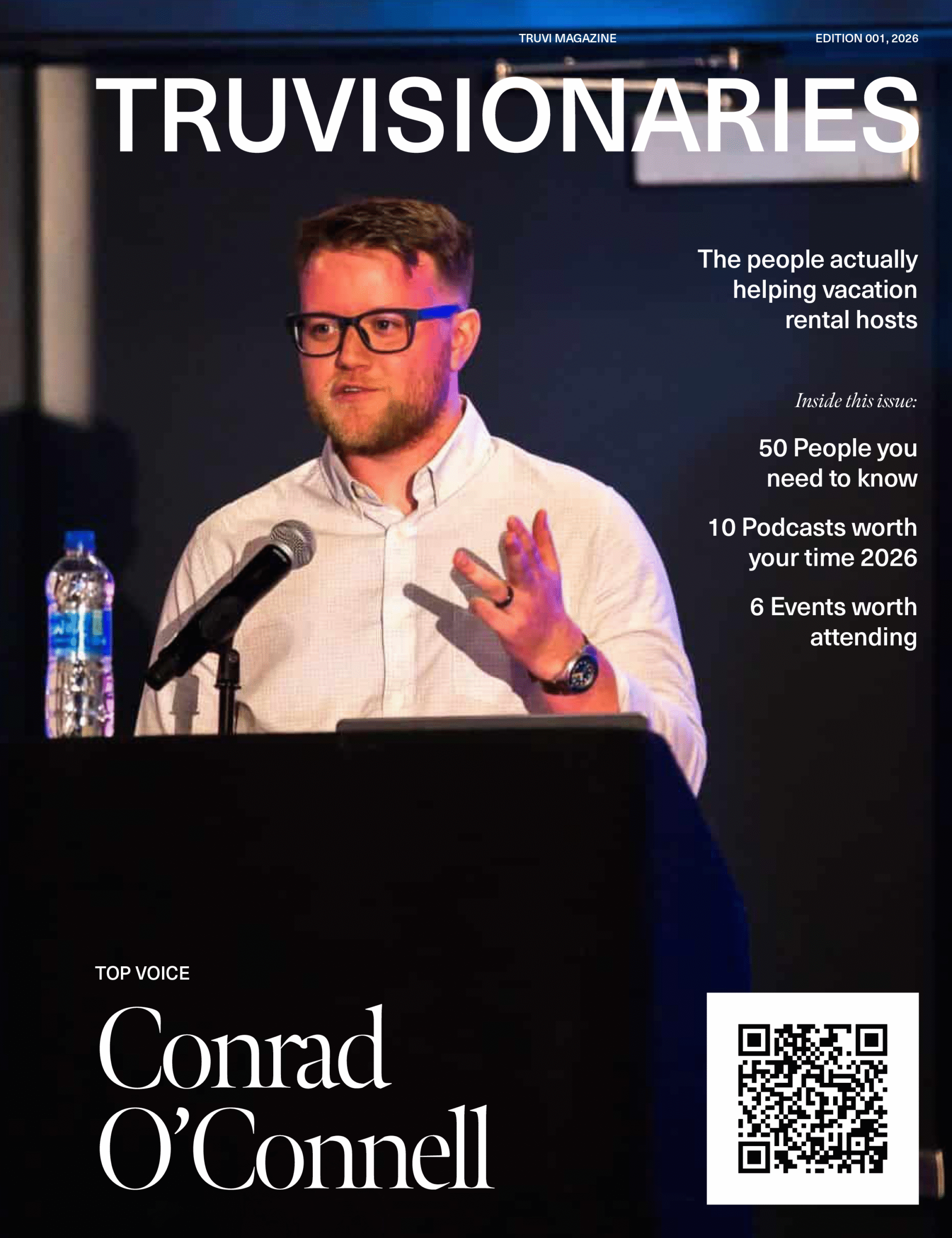
Conrad O’Connell tells hosts their first direct bookings won’t come from advanced social tactics or paid ads. Someone finds you on Airbnb, searches your property name on Google, books direct. That’s probably your first 10 to 30 bookings. So skip “Awesome Beach View Condo” and give your property an actual brand name people can search for.
His SEO advice is to read the search results rather than overthinking tools. Just look at what Google shows you and what searchers actually want. Single properties rarely rank for competitive keywords because searchers want collections, not one listing. For single property hosts, content about your destination and local expertise is the better play.
Founded BuildUp Bookings in 2016, wrote Mastering Vacation Rental Marketing, and co-hosts the Heads in Beds Show podcast. Active on LinkedIn.
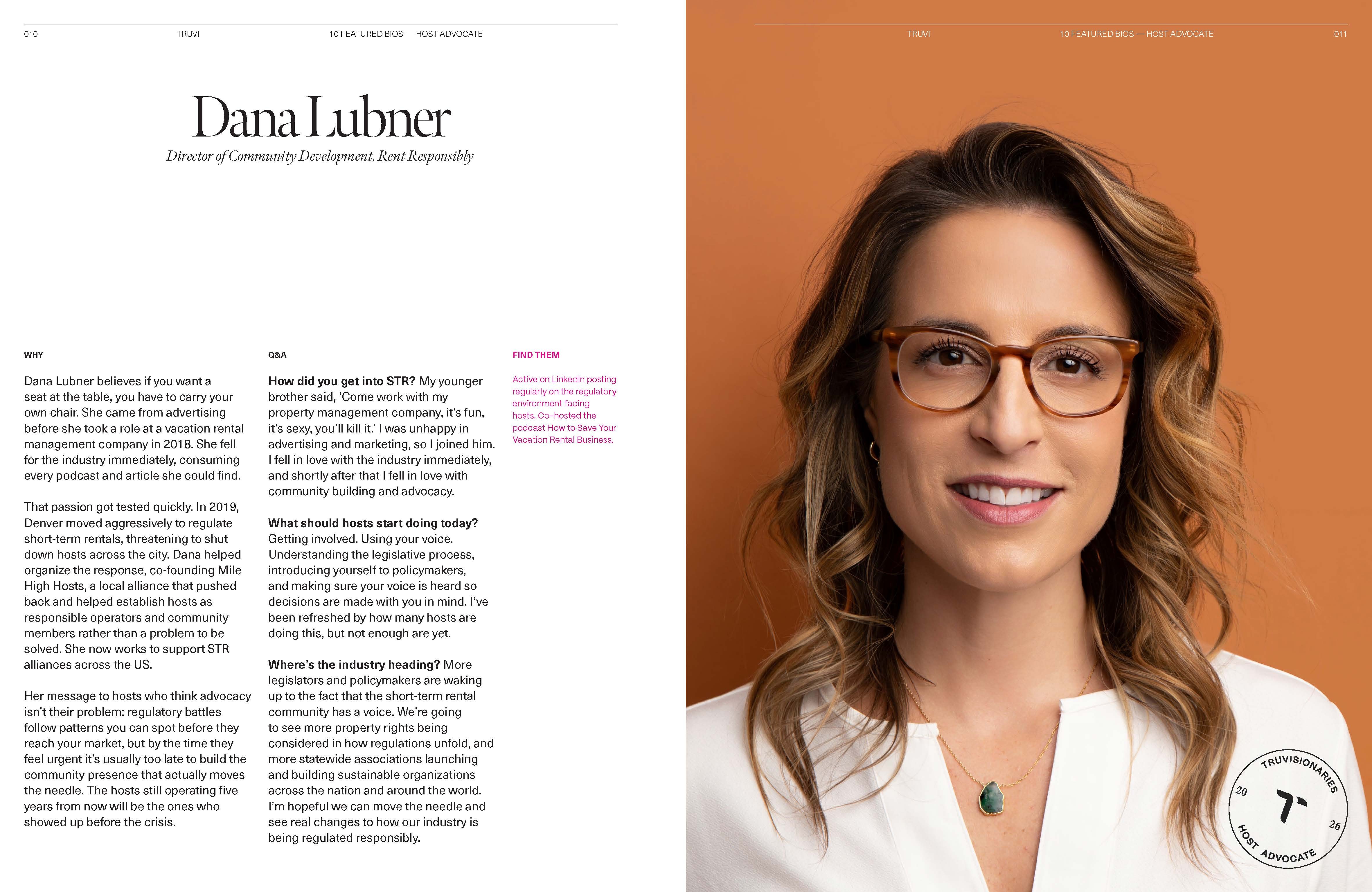
Director of Community Development, Rent Responsibly
Why?
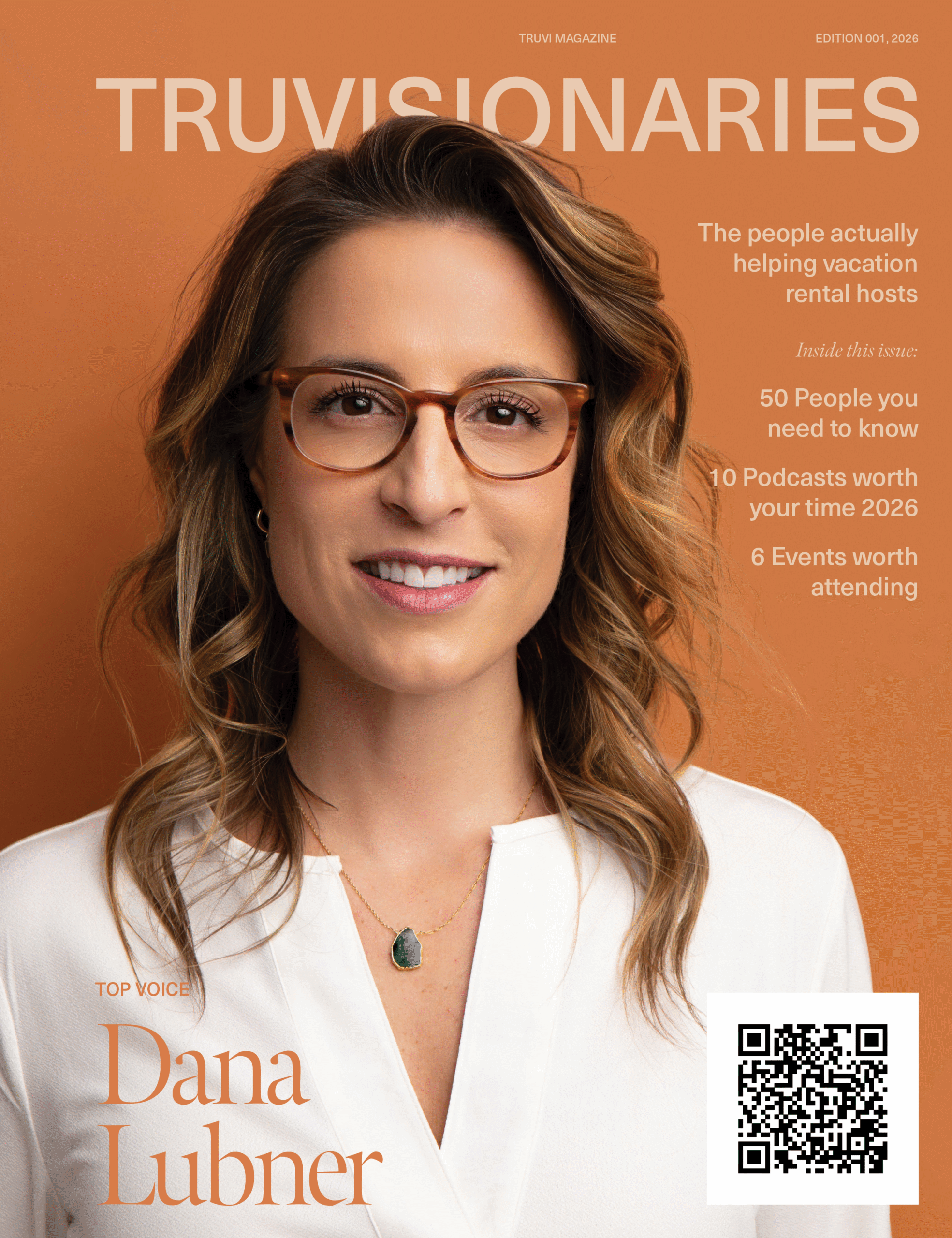
Dana Lubner believes if you want a seat at the table, you have to carry your own chair. She came from advertising before she took a role at a vacation rental management company in 2018. She fell for the industry immediately, consuming every podcast and article she could find.
That passion got tested quickly. In 2019, Denver moved aggressively to regulate short-term rentals, threatening to shut down hosts across the city. Dana helped organize the response, co-founding Mile High Hosts, a local alliance that pushed back and helped establish hosts as responsible operators and community members rather than a problem to be solved. She now works to support STR alliances across the US.
Her message to hosts who think advocacy isn’t their problem: regulatory battles follow patterns you can spot before they reach your market, but by the time they feel urgent it’s usually too late to build the community presence that actually moves the needle. The hosts still operating five years from now will be the ones who showed up before the crisis.
Q&A
How did you get into STR?
My younger brother said, ‘Come work with my property management company, it’s fun, it’s sexy, you’ll kill it.’ I was unhappy in advertising and marketing, so I joined him. I fell in love with the industry immediately, and shortly after that I fell in love with community building and advocacy.
What should hosts start doing today?
Getting involved. Using your voice. Understanding the legislative process, introducing yourself to policymakers, and making sure your voice is heard so decisions are made with you in mind. I’ve been refreshed by how many hosts are doing this, but not enough are yet.
Where’s the industry heading?
More legislators and policymakers are waking up to the fact that the short-term rental community has a voice. We’re going to see more property rights being considered in how regulations unfold, and more statewide associations launching and building sustainable organizations across the nation and around the world. I’m hopeful we can move the needle and see real changes to how our industry is being regulated responsibly.
Find Them
Active on LinkedIn posting regularly on the regulatory environment facing hosts. Co-hosted the podcast How to Save Your Vacation Rental Business.
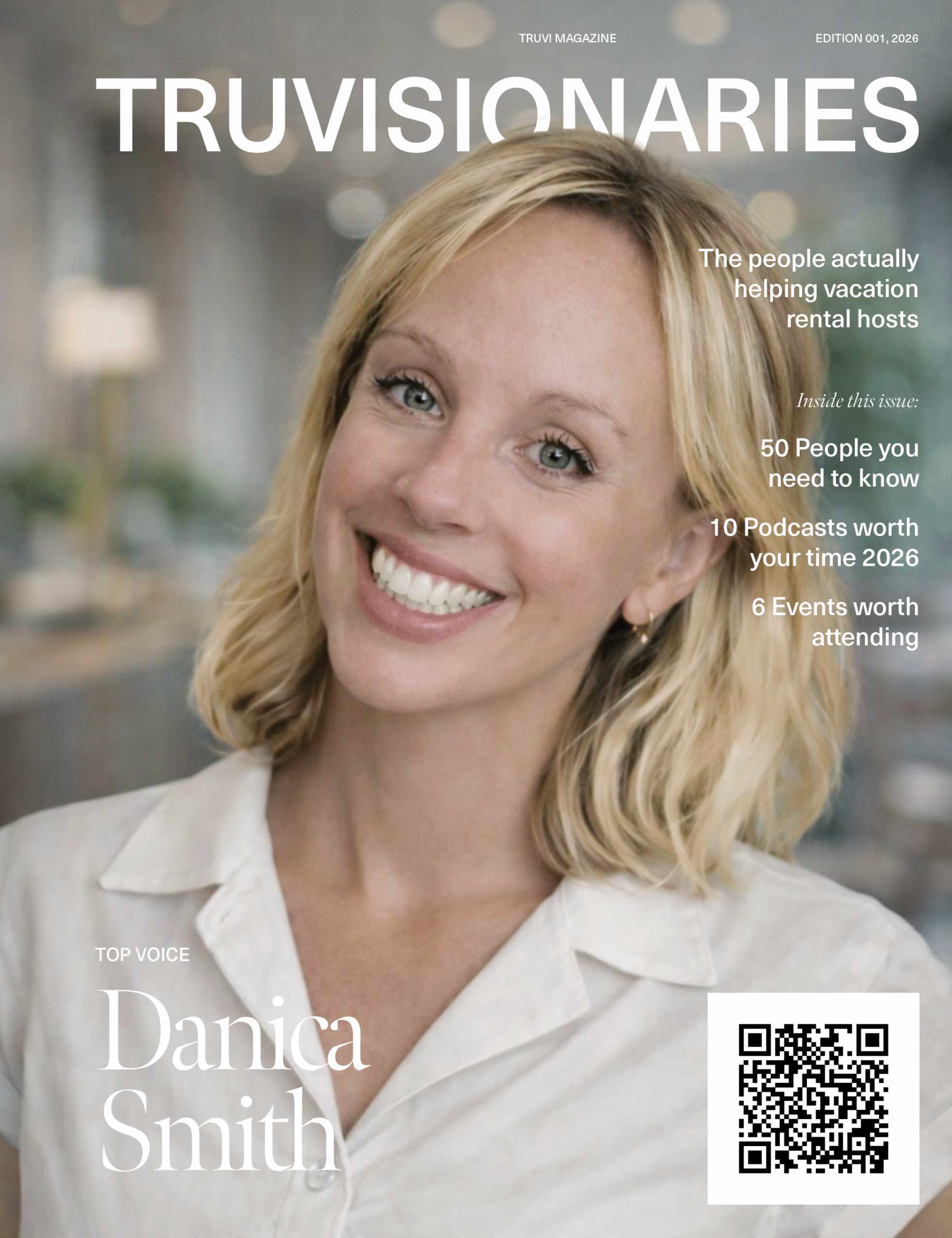
Founder, MorningStar GX
Danica Smith brings hotel-level guest experience thinking to STR. She came from hotel marketing and hospitality tech, then pivoted to vacation rentals helping operators compete with hotels on guest experience.
Her take: stop treating guest experience as nice-to-have. It’s a revenue driver. “When my mother books on Booking.com, she doesn’t know if it’s a hotel or STR. Hosts need to realize they’re competing now.”
For 2026, she’s a proponent for using AI as a tool for understanding guest needs so you can create more authentic stays. Technology should free you to focus on human connection, not replace it.
Danica is guest experience correspondent for the Hospitality Daily podcast, a board member of Women in Travel Thrive, and shares regular insights on LinkedIn.
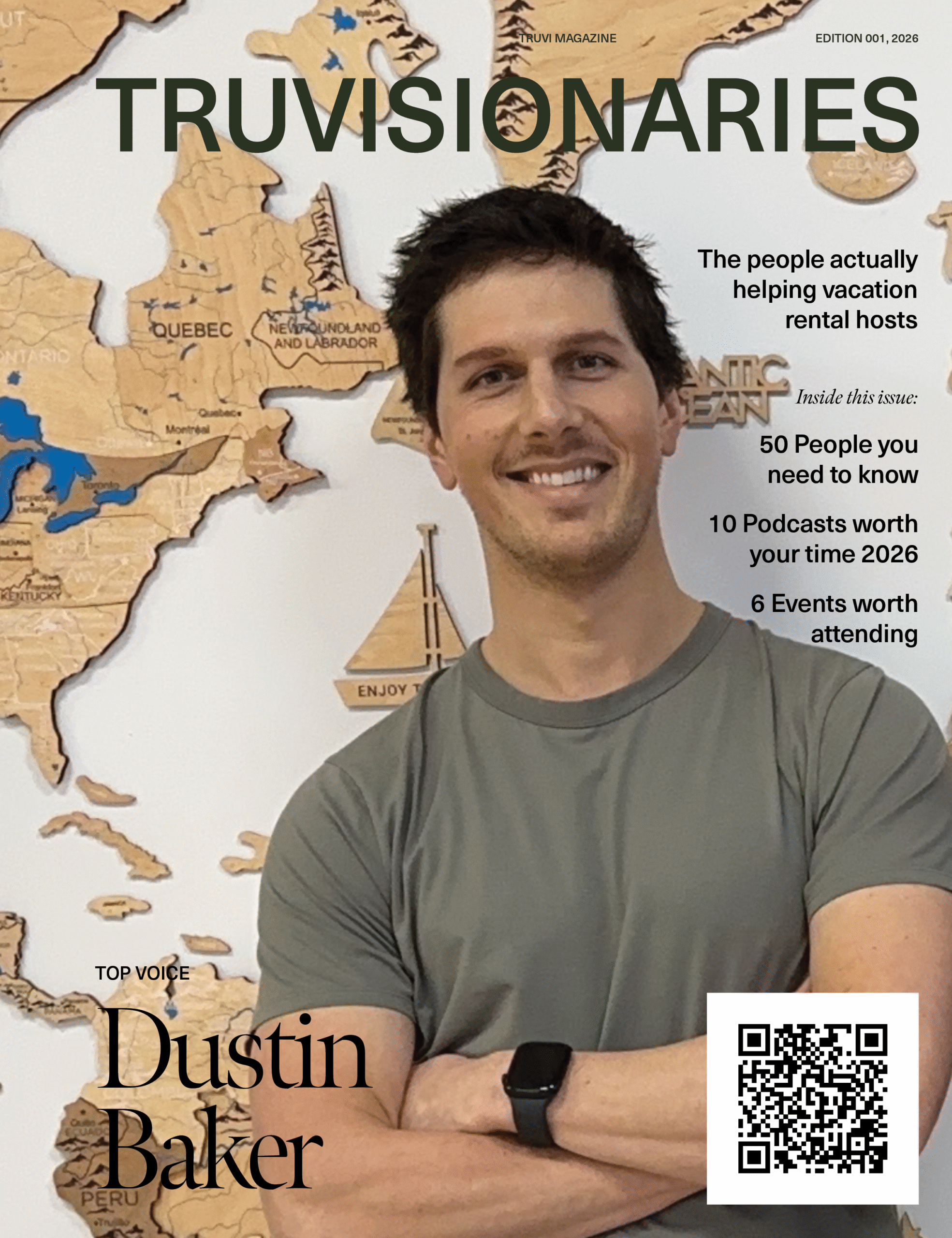
Founder, HiddenGem Media
Dustin Baker spent 10 years running marketing campaigns for e-commerce and app companies before looking at vacation rentals. He was shocked to discover hosts using the same, decades-old strategies as hotels but with none of the data or consumer psychology backing it up.
Three years ago he started HiddenGem Media after realizing one fundamental thing hosts get wrong: real estate photography doesn’t work on social media. Your professional Airbnb listing photos are designed for people already searching and comparing.
Instagram reaches people earlier, during the inspiration phase before they even know where to go. You need different content and he advises showcasing experience, not just amenities.
Active on Instagram (@dustindeanbaker), YouTube (dustinbaker), and LinkedIn.

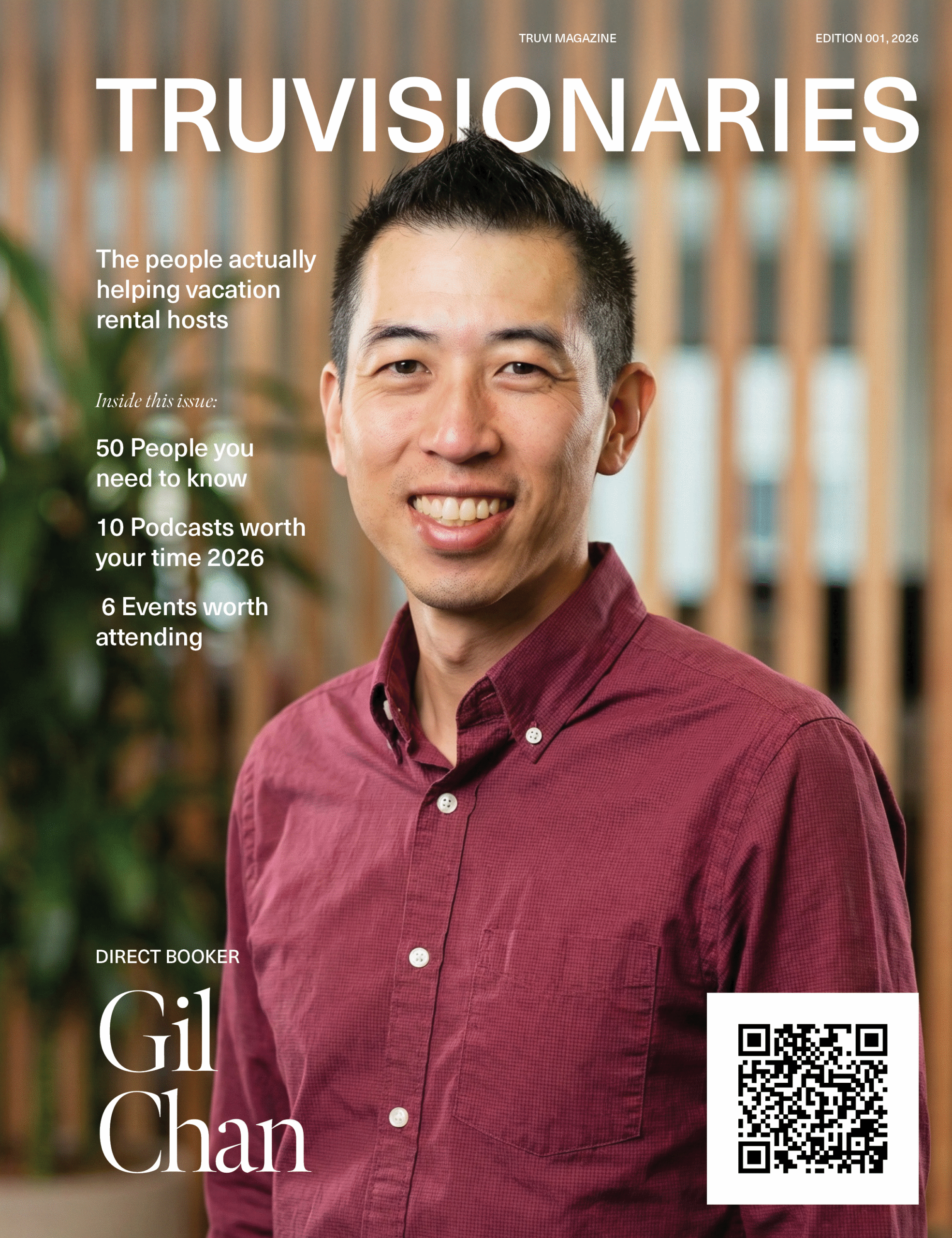
CEO and Founder, CraftedStays
Why?
Gil Chan was managing several properties in San Francisco and realised Airbnb controlling 90% of his revenue put his mortgage at the mercy of any sudden policy change. So he figured out direct bookings.
With his Booked Solid podcast, he interviewed hosts who’d built successful direct booking businesses. After 60+ episodes, he learned there’s no magic formula. After all, the host killing it with Facebook fishing groups can’t teach you their exact playbook when it wouldn’t make sense for your premium, NYC apartment.
Gil’s advice makes direct bookings feel achievable instead of overwhelming. Don’t try to do email campaigns, social media, paid ads, and SEO all at once. Pick the one thing you’re actually good at. Do it consistently. See what works. First year? Aim for 10% direct bookings. By year three? You can hit 40-60%.
He built CraftedStays to help hosts create direct booking sites without paying agencies thousands. His ecommerce background means he knows what makes people actually book: fast mobile sites, clear guest journeys, trust signals.
And Gil still onboards every customer himself because talking to hosts keeps him focused on real problems, not theory.
Q&A
How did you get into STR?
I wanted to invest so our kids had something to take on after we’re gone. I got a lot of support from the community. Two good friends were short-term rental hosts and I didn’t know it at first, but knowing they were successful gave me confidence to try it myself. I wouldn’t have been able to do it without my community. Since then we’ve helped many others in our network do the same.
What should hosts start doing today?
Build your own brand. I’m starting to see more influential people in our space putting hospitality in the forefront and making sure guests remember them as the stay, not that they booked another Airbnb. I don’t want to keep seeing people say “I have an Airbnb.” I want to see hosts recognized not as a commodity but as their own brand.
Where’s the industry heading?
Understanding intent and personalizing by leveraging technology. People are already using ChatGPT, Claude, whatever LLM to search for stays. If you understand why people are visiting and what they’re looking to do, you can deliver a really delightful experience.
Find Them
Instagram (@gilchansjourney) for short-form video advice on direct bookings. LinkedIn for industry insights. Hosts the Booked Solid Show podcast. CraftedStays blog (craftedstays.co) for longer guides on reducing OTA dependency and building direct booking channels.
Short-Term Rental Investor
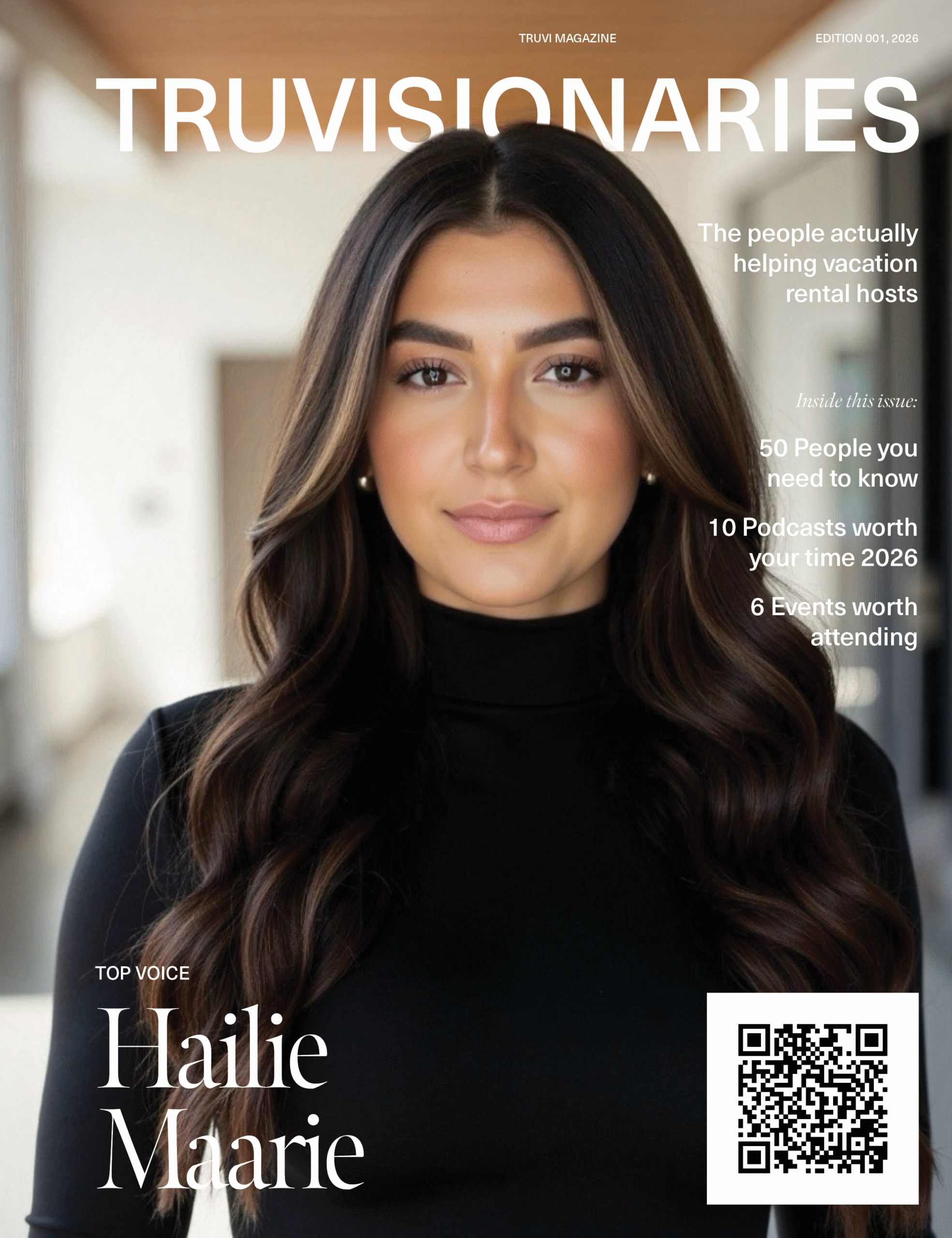
Hailie Maarie started during the pandemic at 22 after seeing TikToks about Airbnb arbitrage. She landed her first three units within two weeks and now runs 70+ across three markets with a fully remote team.
She thinks it’s time for hosts to stop under-utilizing AI. Most people think it’s only for guest communication, but she uses it for team training and operations, which has bought back significant time.
Her 2026 prediction is that guest experience will become more crucial than ever, and it’s not just a side hustle anymore. Expect more regulation enforcement too.
She documents her journey on social media, notably Instagram and TikTok as @hailiemaarie. Through Airbnb Takeoff, she’s coached over 1,000 students on building arbitrage businesses.
Co-Founder & CEO, Unplugged
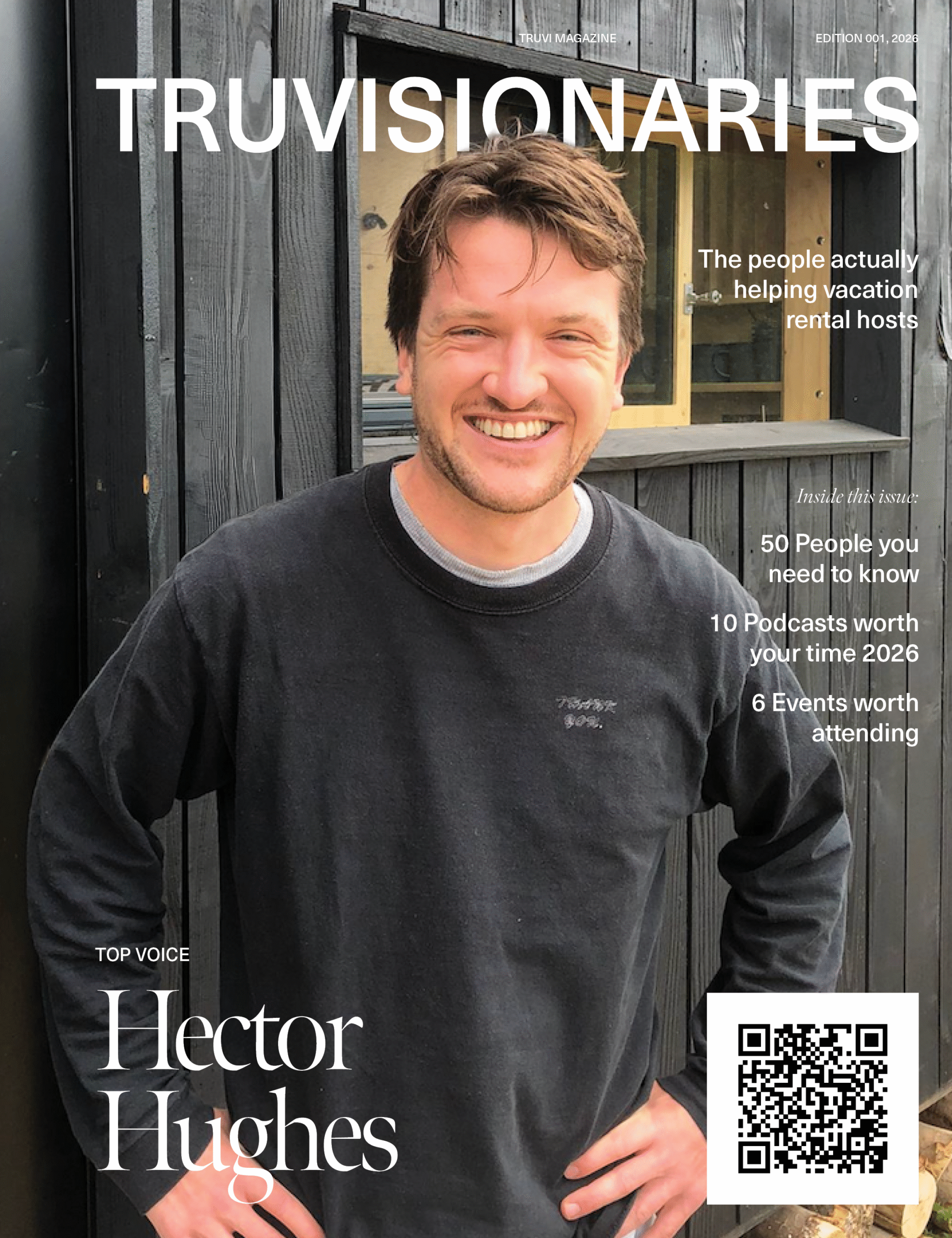
Hector Hughes built Unplugged after burning out and realizing wellness retreats were too inaccessible. The mission is simple: get people to spend three days offline in nature. They’ve grown to 60 cabins across the UK and Spain with 85% annual occupancy.
His advice to hosts is to actually stand for something and embody their personality and quirks instead of trying to be generic. It’s those properties that stand out.
While everyone’s focused on AI, Hector sees the opposite trend gaining strength: people are craving human connection. Guests aren’t just booking somewhere to sleep, but looking for human experiences.
Active on TikTok and Instagram (@unplugged.rest) showing off-grid digital detox locations.
Founder, Host Planet
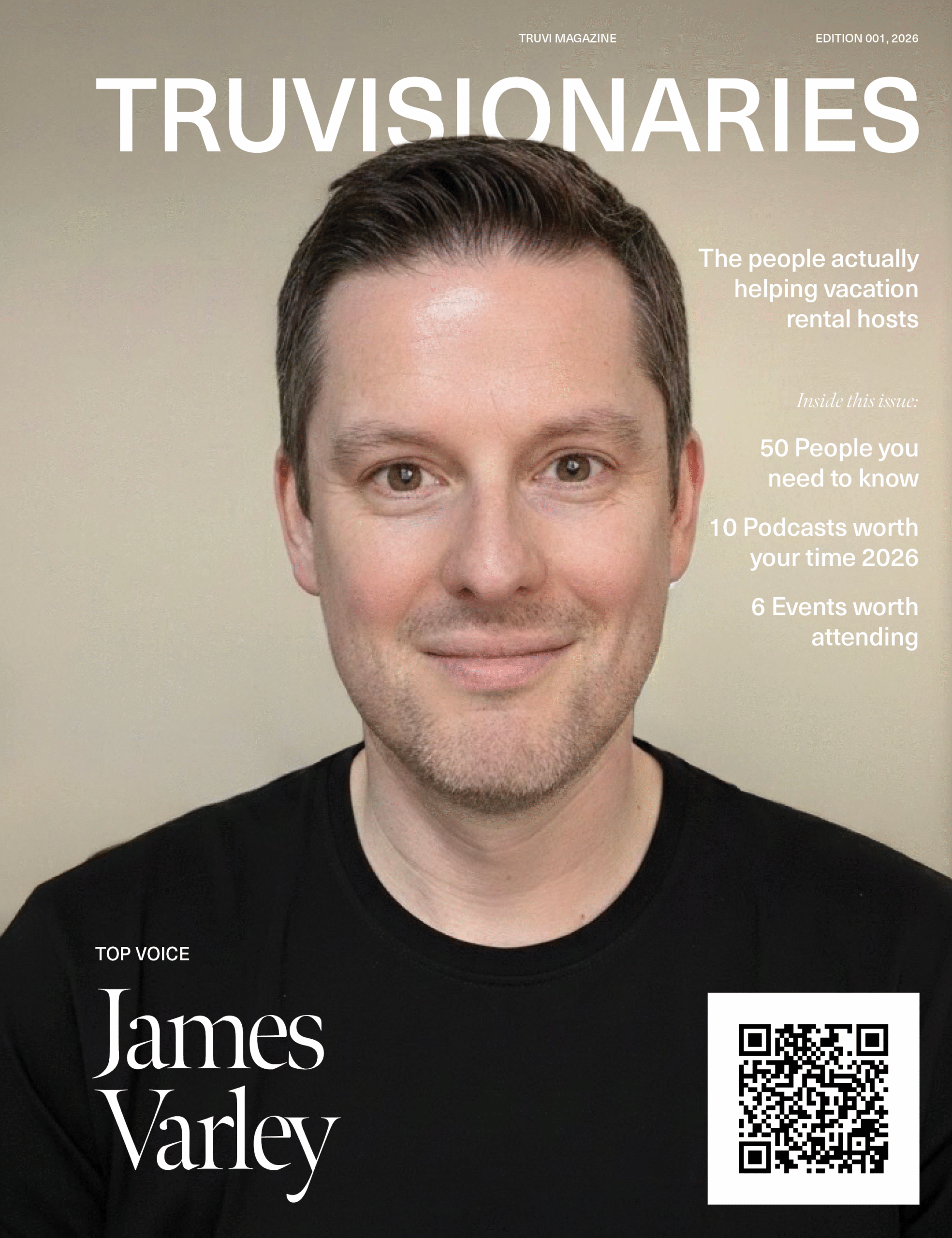
James Varley runs Host Planet, one of the fastest-growing podcasts in short-term rentals. If you Google almost anyone in the industry, they’ve probably spoken into his microphone.
He discovered Airbnbs while struggling to find a San Francisco hotel under $300 a night. The Airbnb he found was a beautifully converted basement with a host who gave great recommendations. He thought “this is brilliant, I should be doing this” and bought his first property.
His simplest direct booking advice is to put a QR code to your website on the fridge with a poster saying guests save money booking direct next time. Your guests always go to the fridge.
Find Host Planet clips on Instagram (@host_planet_) and head to their site for free ebooks and guides.
Head of Revenue Management, Freewyld Foundry
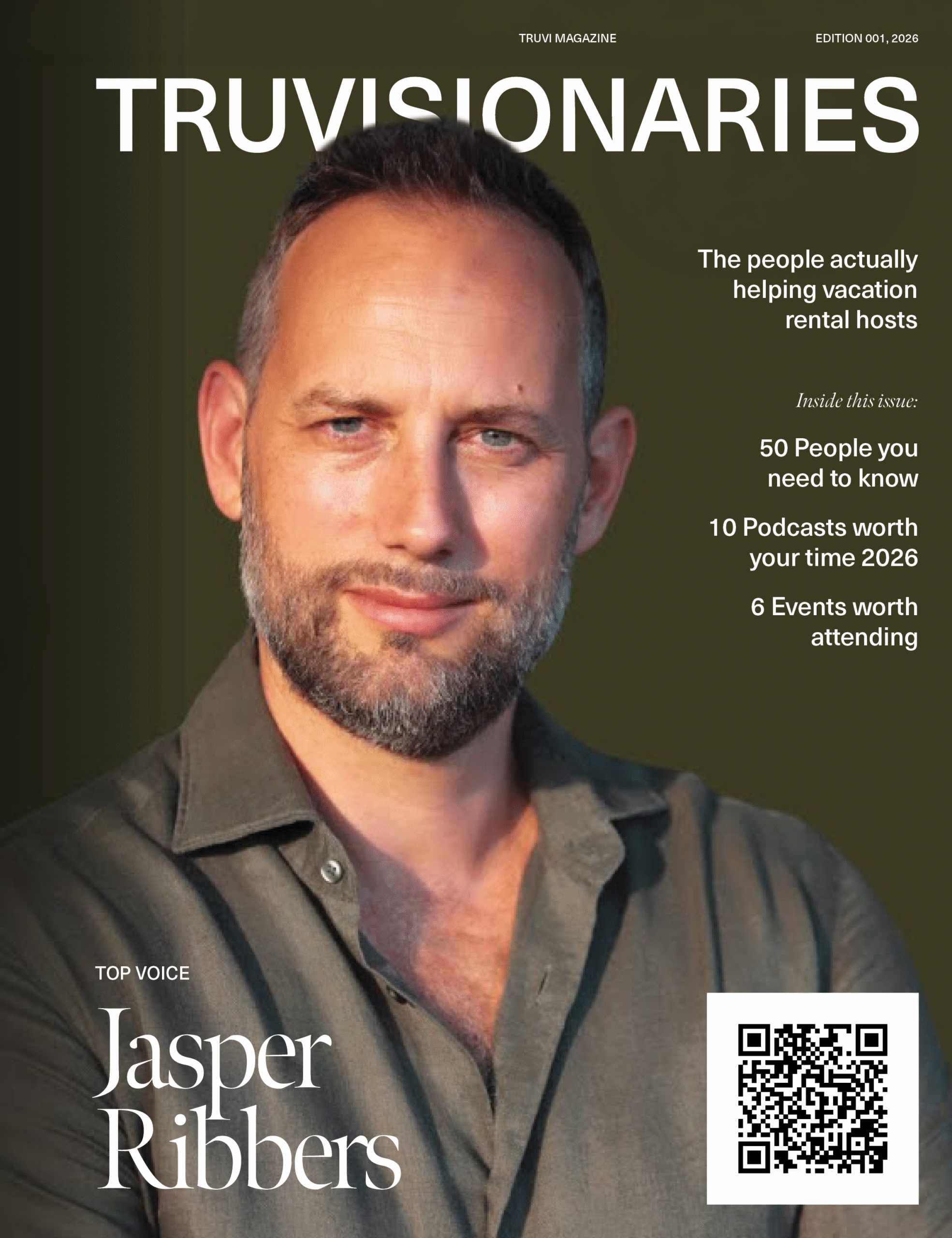
Jasper Ribbers started in 2012 after a friend told him about Airbnb. He listed his Amsterdam apartment within a week and never imagined it would become his career.
Now he leads revenue management at Freewyld Foundry. His advice is to make revenue management a real focus in your business, not something you do on the side. Don’t just turn on a pricing tool and ignore it. Better revenue management can increase profits 5 to 20% without investing in amenities because it goes straight to your bottom line.
In 2026, he thinks hosts focused on hospitality will thrive while those treating it casually will fall behind.
Hosts the Get Paid for Your Pad podcast. Find bitesize tips on Instagram (@jasper.ribbers) and industry analysis on LinkedIn.

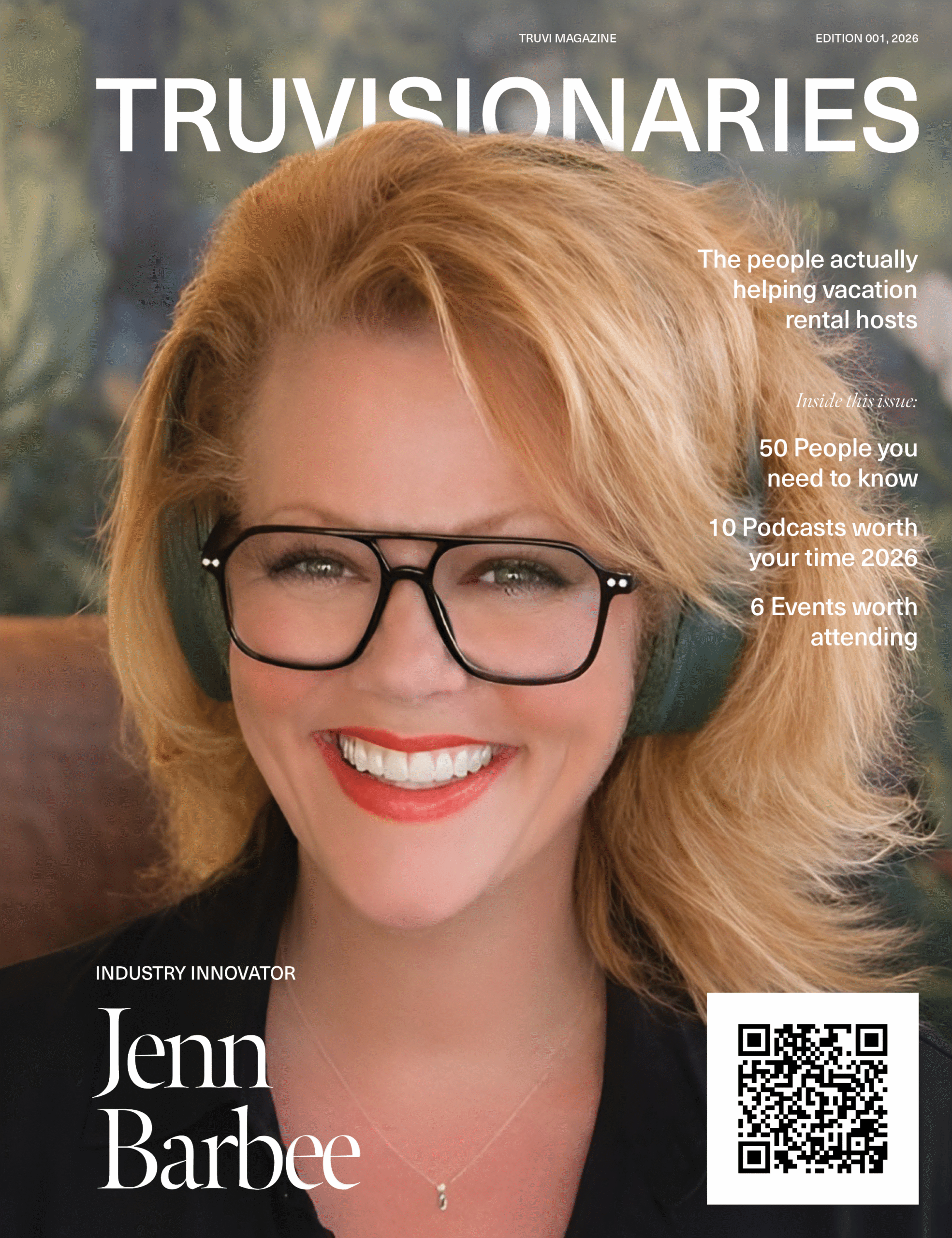
Co-Founder/Head of Industry Influence, Destination Innovate
Why?
Jenn Barbee has 30 years in tourism, most of it working with destination marketing organizations, before shifting focus to short-term rentals. She realized something: destinations treat hotels as partners and STR hosts as a problem to manage. That disconnect costs money.
Jenn calculated this misalignment costs $10 billion annually. For individual hosts that’s paying taxes but getting no marketing support, dealing with regulations nobody consulted you about, competing against hotels with relationships you can’t access.
Now Jenn has built Hosts & Home Teams, a traveling think lab that brings hosts, destination leaders, and community stakeholders into the same room: getting hosts a seat at the table where decisions about their market actually get made.
This means access to destination research, marketing support, and being part of the conversation instead of the target of it. If you’ve ever wondered why you pay bed taxes but never hear from your tourism office, Jenn is fixing that.
Q&A
How did you get into STR?
I came from the destination side, working with tourism boards like Visit Britain and Tourism Ireland. I got interested in STRs pre-2020 because they offered better business travel accommodation than hotels. Post-2020, STRs are 30% of the US accommodation market. My obsession became: how do destinations who aren’t close to their STRs create alignment?
What should hosts start doing today?
Contact your destination marketing organization [DMO]. Find where your bed tax actually goes and which entity markets your community. A lot of hosts get stuck buying ads through chambers when they could be elevating their brand, accessing research, and getting real support from their DMO. Just say hello.
Where’s the industry heading?
We’re going to see a systems renaissance. Travel grew up fast during the tech age and everyone built their own platforms focused on speed and profit. Now we’re moving back toward coherence, using technology to create discernment and community stewardship instead of just extraction. Systems working for each other, not just against each other.
Find Them
LinkedIn for her thinking on destination and STR alignment, plus a regular newsletter. Also worth monitoring is the blog at destinationinnovate.com. Destination leaders, hosts, and policymakers working on alignment frameworks should check out Hosts & Home Teams. Instagram (@alittlejennspiration) for snackable insights.
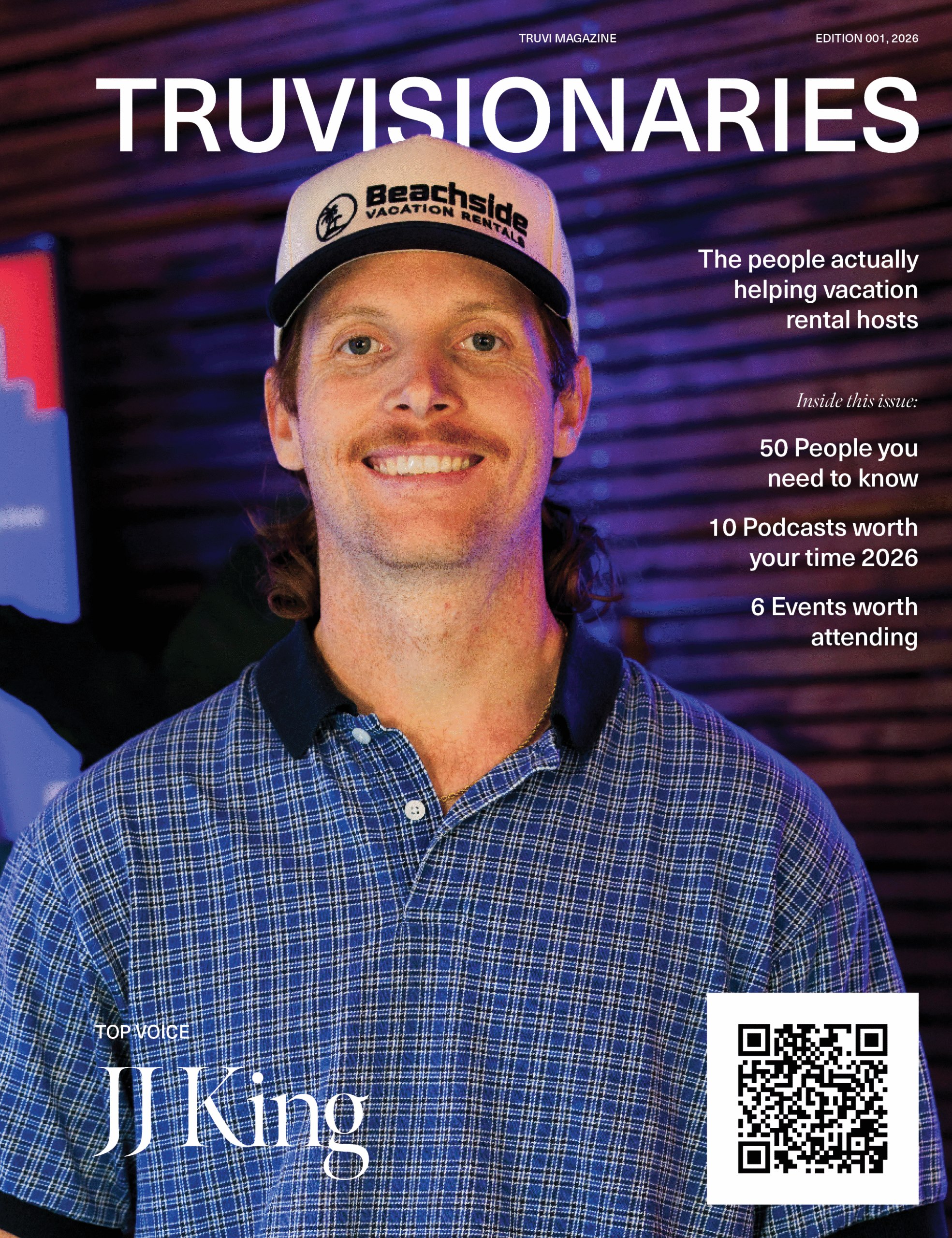
Co-Founder, Beachside VR
JJ King studied hospitality management and loved that short-term rentals let you run your own hotel chain starting with one property. Now he co-founded Beachside VR managing over 300 units on Florida’s Space Coast.
He thinks hosts need to stop accepting whatever their software gives them. You can customize workflows with no-code tools and AI without being a developer. He’s been doing this for three years, and with AI coding tools that came out six months ago, it’s become even easier.
Small operators can build solutions that fit their specific needs instead of forcing their business into someone else’s template.
Previously built and sold a proptech company. Now advises travel and vacation rental startups. Shares tips on LinkedIn and appears on podcasts.
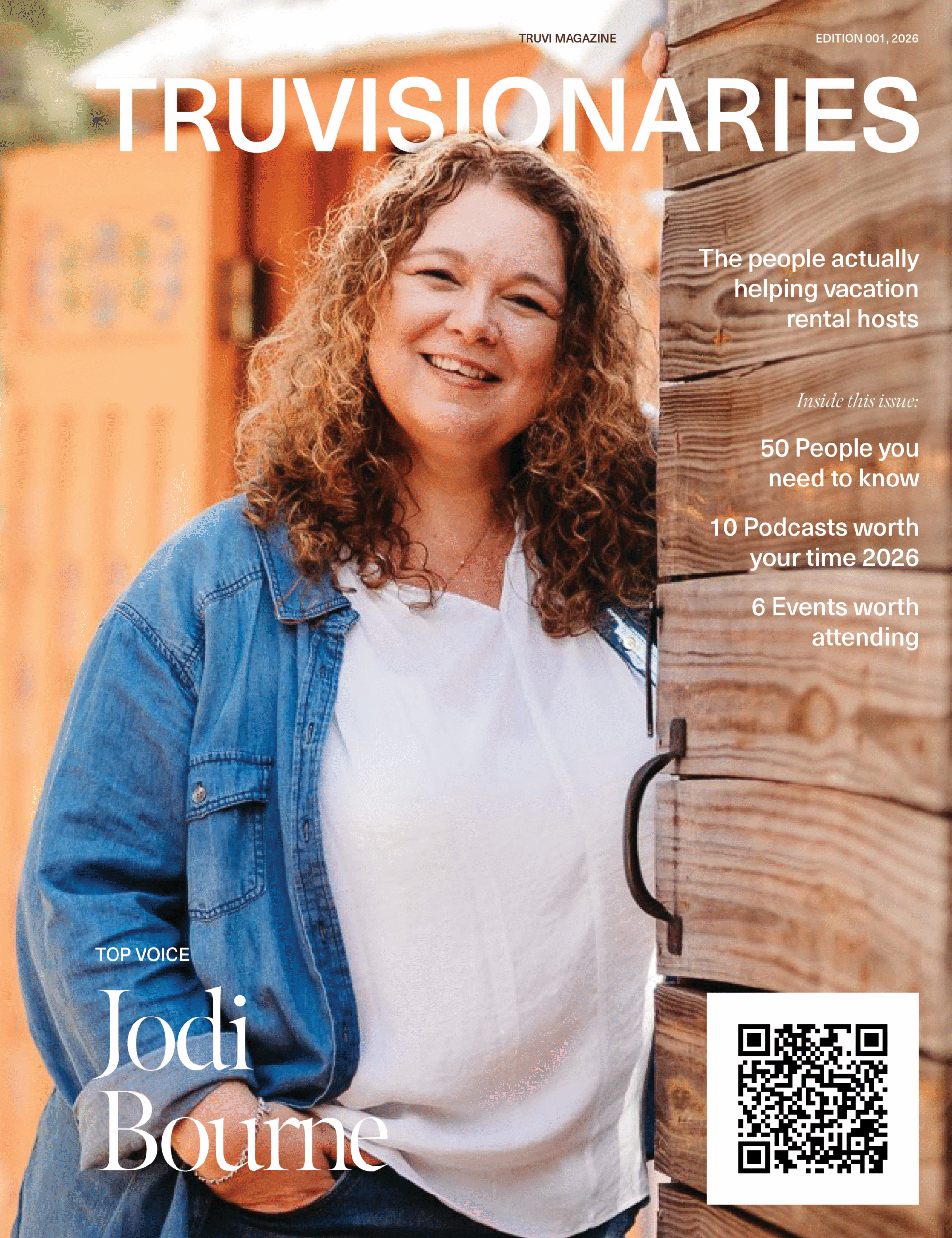
Vacation Rental Consultant
Jodi Bourne asks hosts to show her their beach rental photos. Most post generic sunset shots or beach umbrellas. She tells them to show a mom reading in a beach chair with her kids playing with dad in the background. That specificity – knowing exactly who you’re talking to – drives her entire approach to vacation rental marketing.
She’s been working in tourism marketing since 2014 and stayed at over 70 vacation rentals as a paying guest. She teaches hosts to use AI to analyze their own voice (talk into a document, upload to ChatGPT), build content themes around destination or experience, and develop direct booking strategies that reduce OTA dependency.
Hosts the Savvy Host podcast. Active on Instagram (@heyjodibourne), sharing social media marketing tips, and also on LinkedIn.
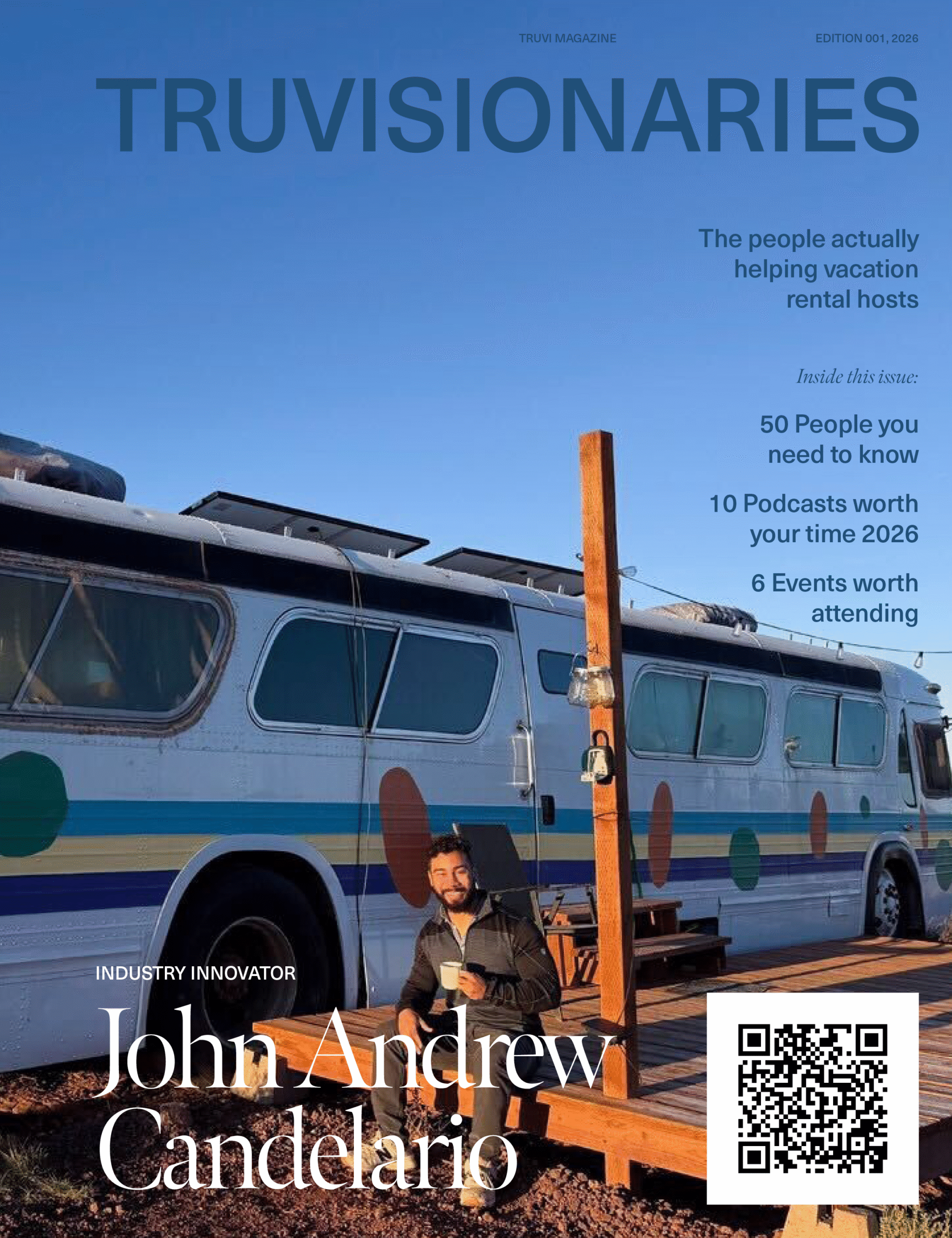
Founder and CEO, Vacation Home Help
John Andrew started in investment banking in New York, hated it, and moved to Florida to manage vacation rentals by Disney World. Now he focuses on helping hosts who manage their own properties but need boots on the ground with cleaning, maintenance, and co-hosting.
His biggest advice is to learn revenue management. Too many hosts use manual pricing or rely on platform smart pricing that drops rates to incentivize bookings. Revenue management is the difference between an okay year and a great year. Take a course or digest as many materials as you can because getting pricing right really makes a difference.
Hosts the Vacation Home Help Podcast and shares advice on LinkedIn and Instagram (@thejohnandrew).
Founder, Hilde Homes Vacation Rentals
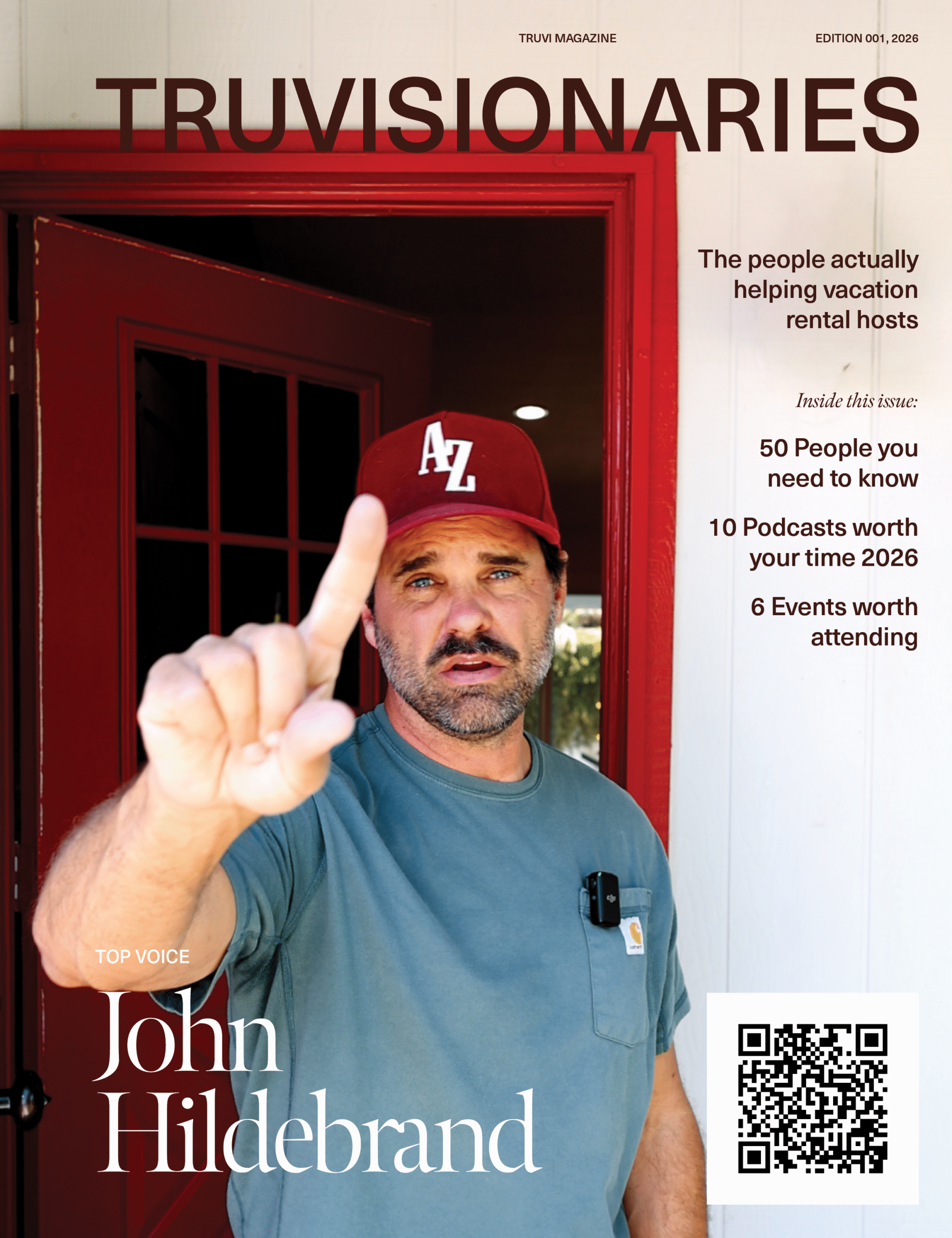
John Hildebrand runs Hilde Homes with over 1,000 five-star reviews and co-owns properties including The Billy Motel in West Virginia. He started with his brother buying their first short-term rental with no clue what they were doing.
His biggest advice is getting systems right from day one. Guest screening, cameras, noise monitors, proper damage protection. People worry so much about bookings they forget to protect their investment. The systems are better now than when he started, so use them to avoid burnout and keep operations smooth.
He’s a founding board member of AZRT, Arizona’s largest short-term rental advocacy group, fighting for fair regulations.
John shares digestible video tips on Instagram (@johnhildebrandsicky), longer explainers on YouTube (hildehomes), and regular insights on LinkedIn.
Director of Safety & Certification Programs, Breezeway
Why?
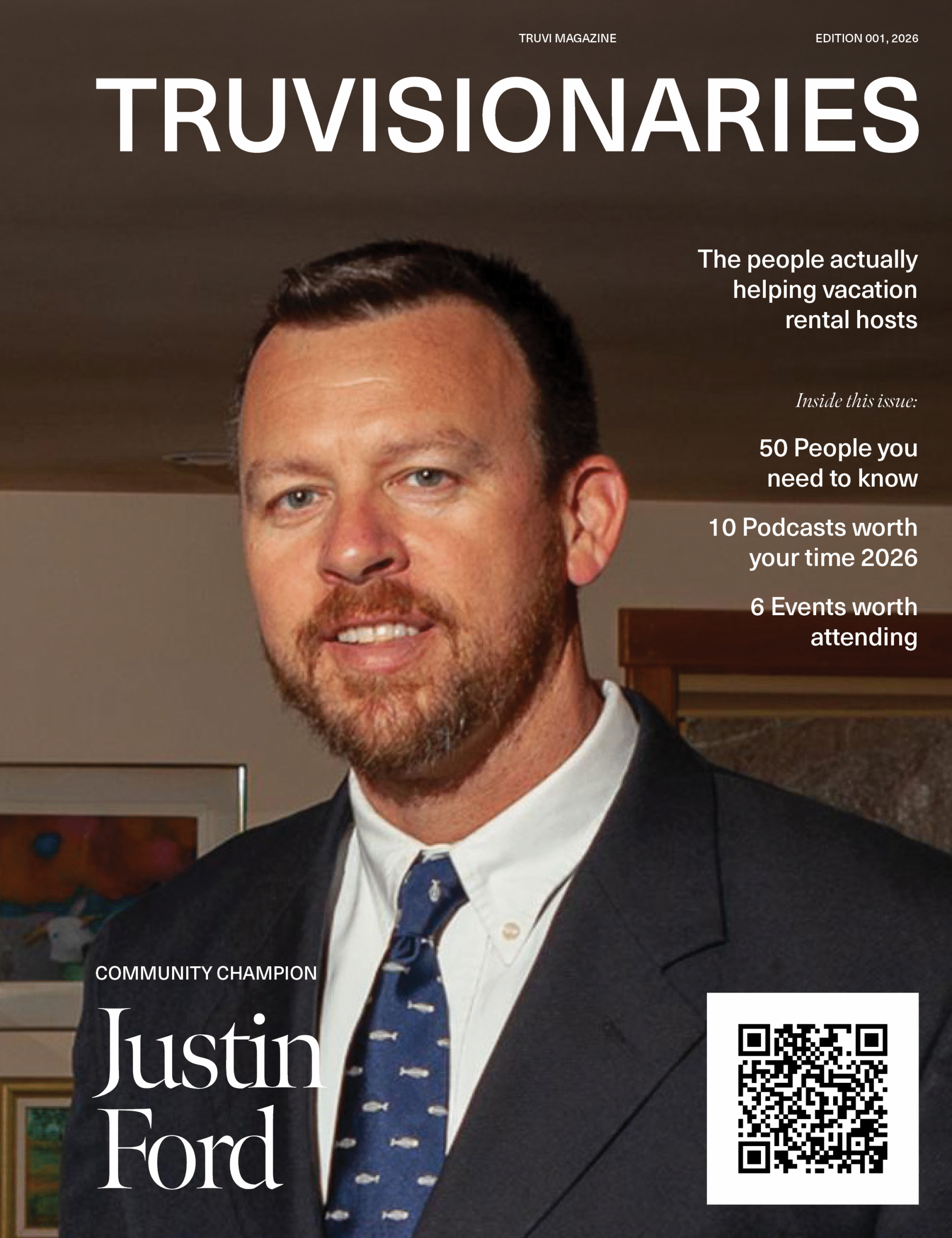
Justin Ford started as a firefighter before stumbling into short-term rentals in 1997, while delivering a rental boat to a vacation house. That background matters more than it might seem.
When he was fighting fires, crews had 15 minutes to get people out of a burning building. Today it’s 3 minutes, because modern furnishings are packed with synthetic materials that release toxic chemicals when they burn. Most hosts have no idea.
He’s spent the years since turning that knowledge into practical safety education, credited with saving over 50 lives and practically writing the industry’s safety manual.
He now tracks hazards most hosts aren’t thinking about. The explosion of lithium battery fires from guests bringing ebikes and EVs to properties. The fact that the most dangerous moment for a guest isn’t during their stay but the first hour after arrival, before they know the layout, usually tired after a long journey.
If safety feels like a box-ticking exercise, he’s the person who’ll change your mind.
Q&A
How did you get into STR?
In 1997, while delivering a rental boat I owned, I told the homeowners they had a nice place. They said it wasn’t theirs, they were renting it for a week. I figured I could do the same with mine. Off I went.
What should hosts start doing today?
Accepting they’re responsible for guest safety the moment someone steps on the property. You can’t assume guests will behave the way you do in your home. Ask yourself: what could go wrong here, and what can I do to make sure my guests leave only with great memories?
Where’s the industry heading?
More regulations, more oversight, and the biggest challenge will be damage protection. Our properties are in areas seeing more natural disasters. We’re going to have to work harder to reduce risk if we want to be able to afford to keep them.
Find Them
Follow Justin on Instagram (@shorttermrentalsafety) for regular, bite-sized safety tips. Also active on LinkedIn. Justin also built the industry’s most comprehensive STR safety training program, and helps operators protect guests, reduce risk, and build trust through practical, real-world guidance.
The Holiday Hive
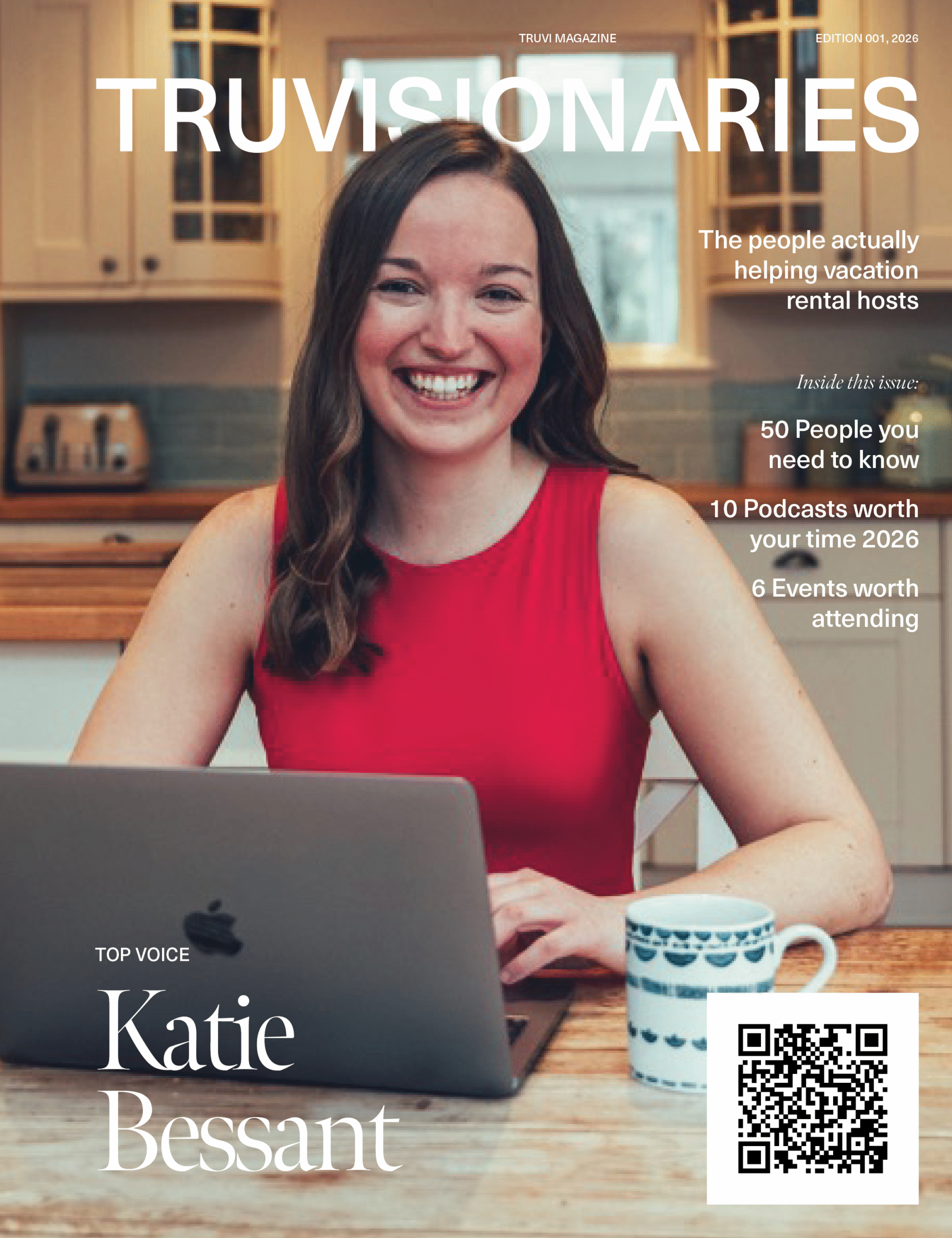
Katie Bessant, an experienced host and marketing manager, coaches cottage owners on social media marketing.
Her message is direct. If you’re treating social media as a nice-to-do instead of a priority, you’re falling behind. She’s watching the booking gap widen between owners who make it a priority and those who don’t.
She swears by TikTok: guests are finding and booking accommodation there, and clients get results with just a couple of posts without needing the momentum other platforms require.
Offers free resources including social media templates and content calendars at theholidayhive.com. Also active on Instagram (@theholidayhive), TikTok (@theholidayhiveofficial), and YouTube (HolidayHive).
Host of the Second Home First & Suite Success podcasts
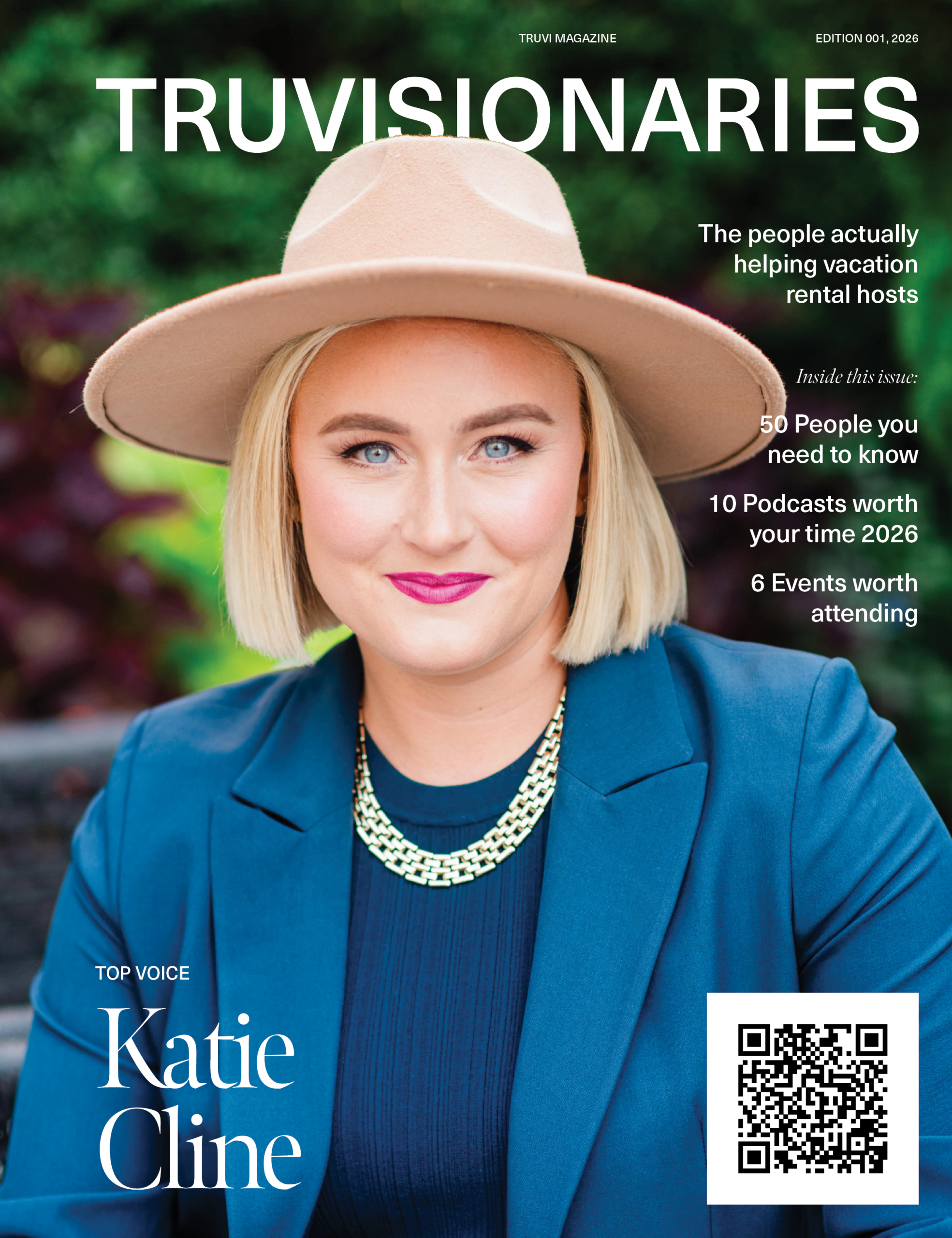
Katie Cline couldn’t afford to buy in NYC, so she bought her second home first. When she listed it on OTAs, it quickly turned a profit, so now she owns three vacation rentals and co-hosts a fourth.
Her hospitality background at top hotels taught her that guests form their opinion of an entire stay in the first 10 minutes. So she obsesses over arrival. Good directions or did they drive past multiple times? Lights stay on long enough to unpack? Personalized key code or digging for a physical key? House perfectly clean, right temperature? Get those first 10 minutes right and guests spend the rest of the trip proving their booking decision.
Hosts Second Home First and Suite Success for Skift. Shares tips on Instagram (@bykatiecline) and free resources at bykatiecline.com.
Chief Leisure Officer
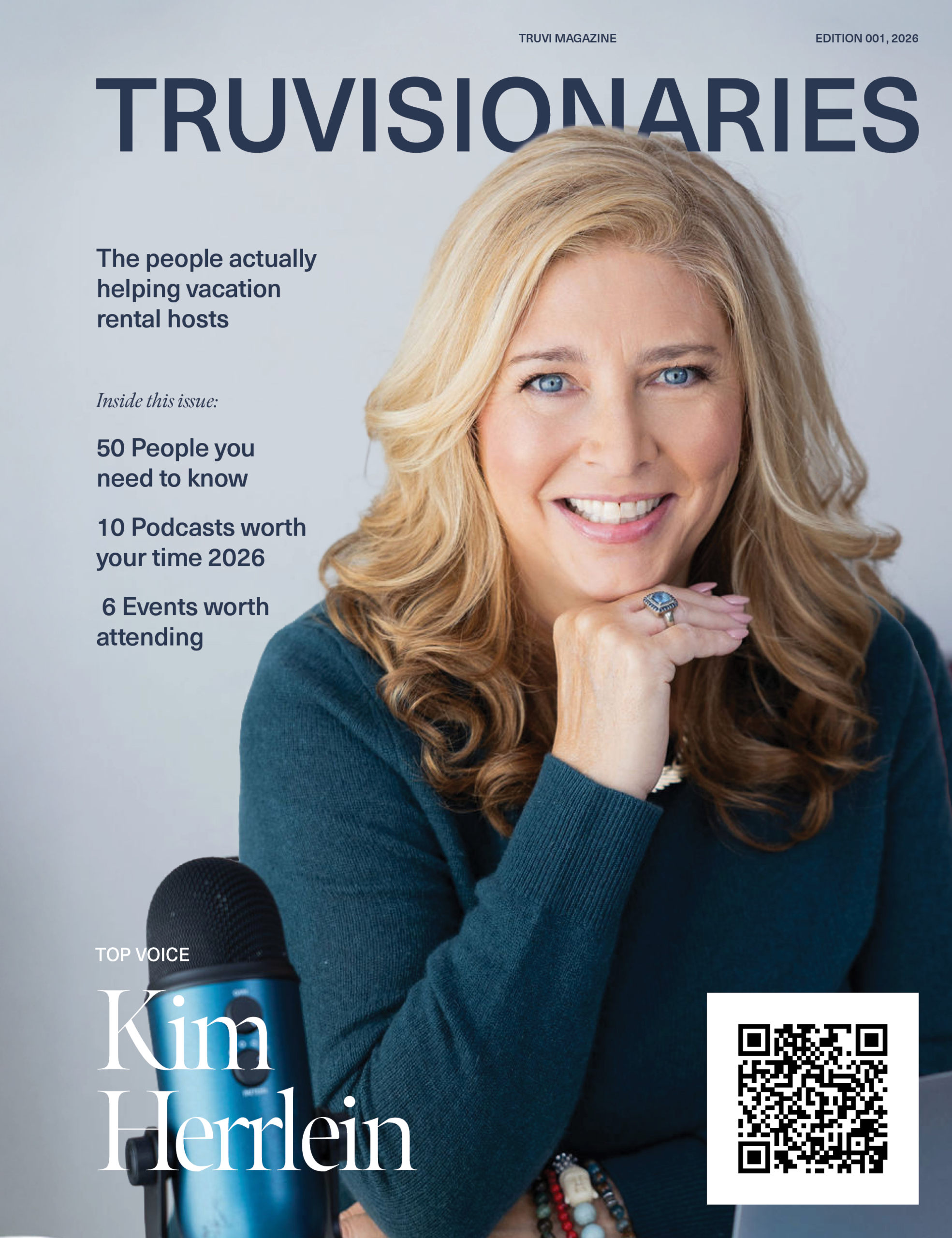
Kim Herrlein stumbled into short-term rentals designing a home near Coachella. They turned four bedrooms into 10. That became her formula: take oversized homes and convert them for large groups of 14 to 24 people.
What sets her apart is personal hosting. She or her team meets every guest within an hour of check-in to walk through the systems and be their point person throughout the stay.
She sees AI making operations smoother but the operators who’ll stand out are those who balance technology with hospitality. Concierge services, wellness packages, creating experiences. Hotels already do this, so short-term rental operators need to compete there.
Runs Purveyors of Leisure and boutique hotel The Fainting Couch. Shares insights on Instagram (@kim_insightseeker), LinkedIn, and Facebook.
Founder, Bnb Made Simple
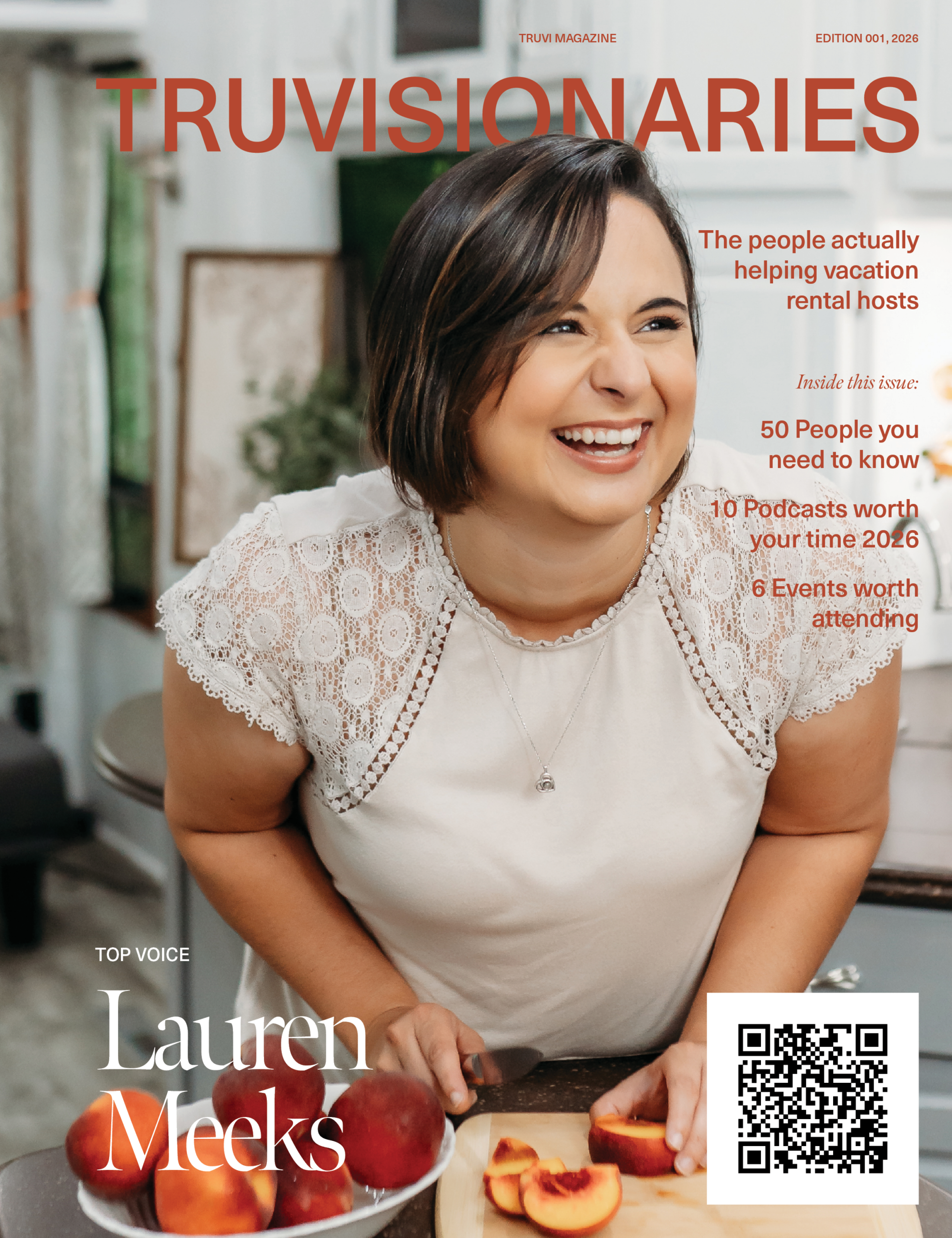
Lauren Meeks has traveled enough to know what real hospitality looks like and says it’s obvious when someone actually cares about you instead of just processing your check-in. She got into hosting to create that for her guests.
She’s been hosting for 10 years, managing properties in Atlanta for seven and says staying profitable long-term means making guests feel special and appreciated.
Her approach is about being proactive to make sure stays are unforgettable and fix issues before they escalate. This means calling guests ahead of time to ask what they need and following up after check-in.
Teaches through The Cohost Accelerator course, published author and TEDx speaker. Shares tips on Instagram (@bnbmadesimple) and her blog at bnbmadesimple.com.
Your STR Wing Woman
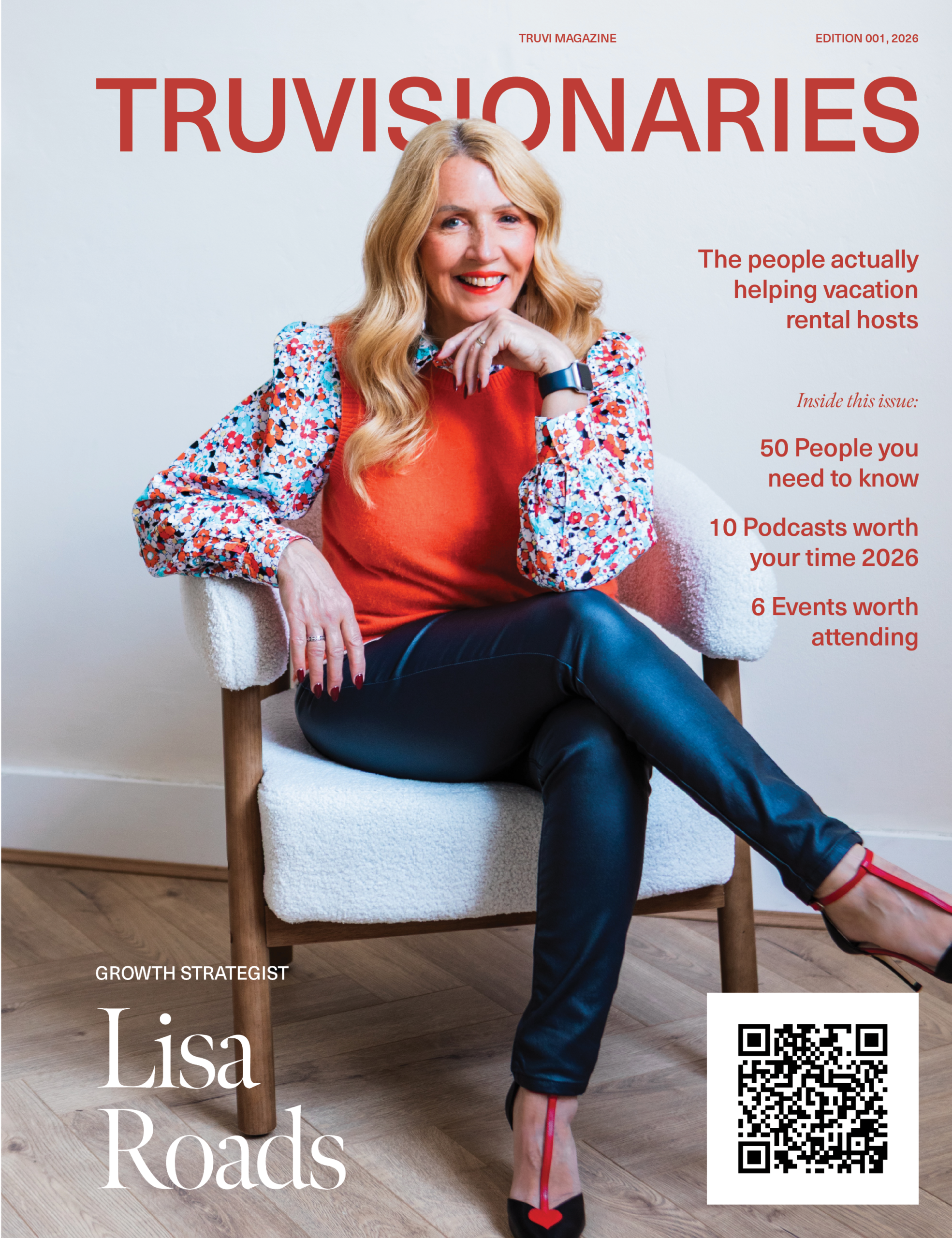
Lisa Roads scaled a property management company from zero to 175 properties in five years. She founded the Women in Short Term Rentals community after frustration: women run excellent companies but stay invisible, don’t get investment like male-led businesses, aren’t on conference stages.
She focuses on positioning, visibility strategy, and exit planning: where are you, where do you want to be, and what’s exit plan. She shows women how to build businesses with strong brands, reduced OTA dependency, and real sellable value.
Her advice: build your own brand and visibility strategy, independent from the OTAs. In a crowded market, understand what makes you unique and compelling. Get that right instead of being the same as everyone else.
Runs annual Marbella retreat. Facebook (The Holiday Property Coach), Instagram (@theholidaypropertycoach), blog at theholidaypropertycoach.wordpress.com.
Host, The Vacation Rental Show
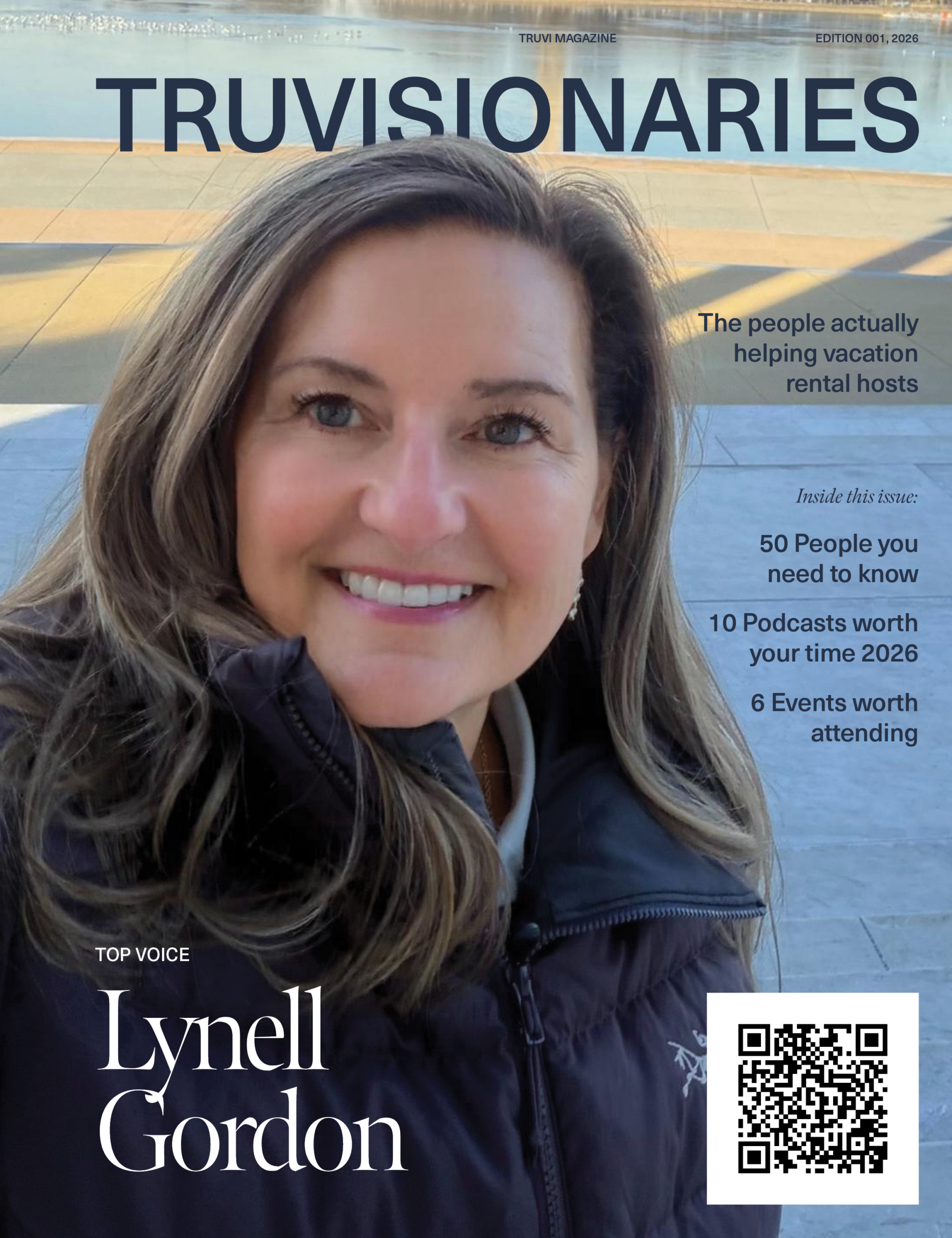
Lynell Gordon was a programmer who knew SEO when the vacation rental industry didn’t. Her sister, who ran a property management business, asked for a website and Lynell quickly realized the vacation rental industry had terrible tech and needed extreme automation. She saw the business opportunity and started offering it to others.
Now she hosts The Vacation Rental Show, interviewing founders and executives about leadership and growth. Her advice to hosts is to ask hard questions from peers who’ve actually scaled. Learn from people who’ve grown from zero, not just opinions about easy stuff.
Coming off her early experience with SEO adoption, Lynell thinks hosts who get involved early with AI automation will be more successful, as long as they stay guest and owner-centric.

Founder, MHM Luxury Properties
Why?
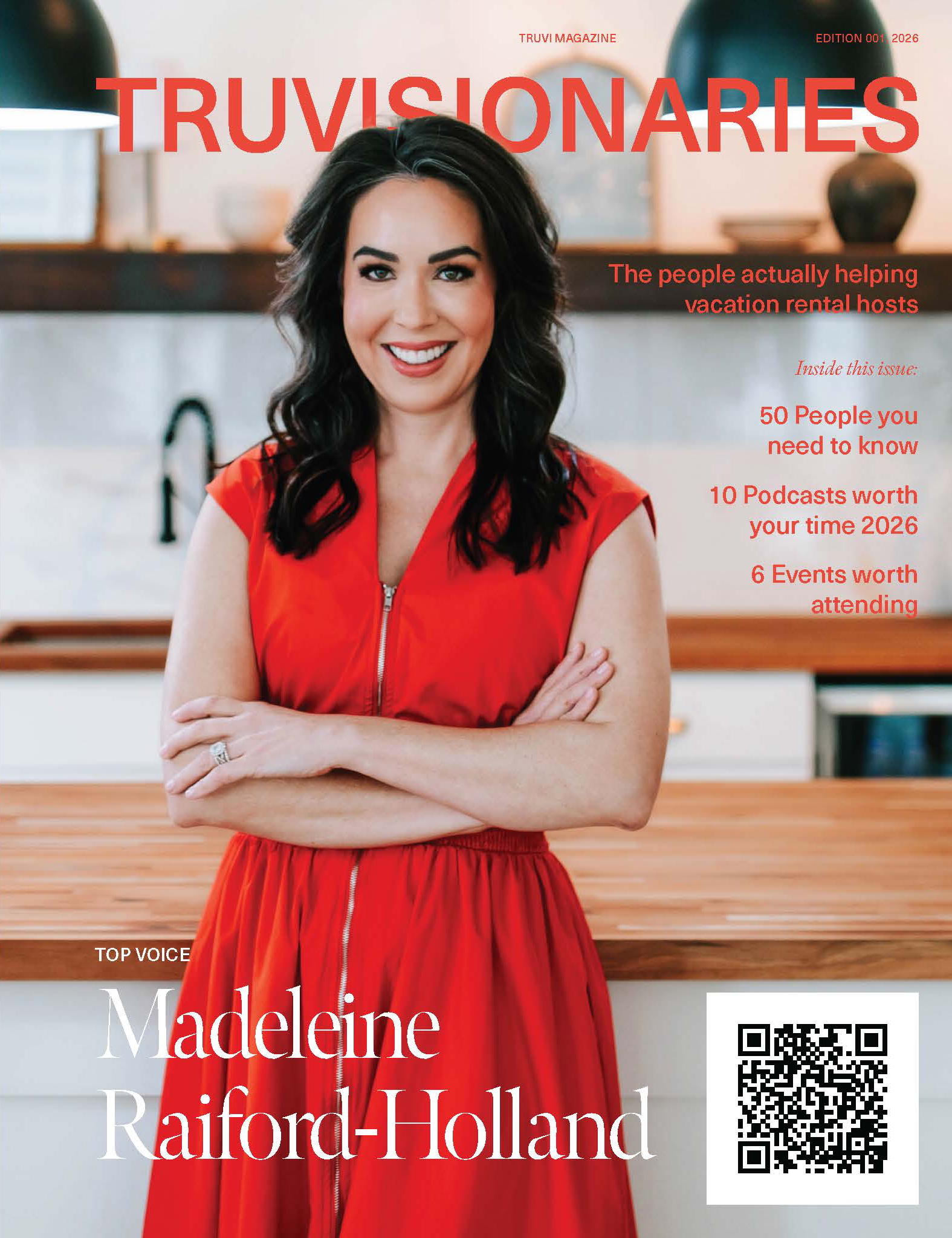
Madeleine Raiford-Holland runs 20 short-term rental properties generating seven figures annually. She and her husband both left their corporate jobs after proving the business could replace their incomes.
Her background running a lifestyle website taught her affiliate marketing and brand partnerships before most hosts understood monetizing beyond nightly rates. She brings that knowledge into every property she teaches, showing hosts how to create multiple revenue streams from a single guest stay.
Her philosophy challenges the scale-at-all-costs mentality. She teaches quality hosting over massive portfolios, saying hosts don’t need 50 properties to achieve financial independence. They need the right properties with the right systems generating the right revenue. She focuses on creating sustainable businesses that don’t consume your life.
Madeleine understands what it means to want career success without sacrificing family time with her husband and kids. Her Airbnb on Autopilot course and coaching help hosts build businesses that provide genuine freedom, not just another demanding job.
Q&A
How did you get into STR?
I was COO of a government contracting company but felt like I was making someone else rich. I’d tried long-term rentals but tenants and toilets weren’t for me. I had a lifestyle website with brand partnerships and thought, what if I create a short-term rental combining everything? Launched in Athens during Georgia football. So successful we launched five more in six months.
What should hosts start doing today?
Make properties shoppable. I earn hundreds of thousands annually from guests shopping sheets, towels, everything through affiliate marketing. People rarely touch products before buying. When you let them experience items in the rental then purchase them, you add income streams beyond bookings.
Where’s the industry heading?
Professional hosts will rise while hobby hosts decline. Five years ago any property worked. Now it’s professionalizing. AI is critical for hosts who use it to understand guest avatars. Those of us treating it like business and providing elevated experiences succeed.
Find Them
Hosts The Luxe and The Short of It podcast on YouTube and Apple Podcasts. Teaches through Airbnb on Autopilot course and coaching. Active on Instagram (@madeleineraifordholland) and LinkedIn.
STR & Hospitality Strategist
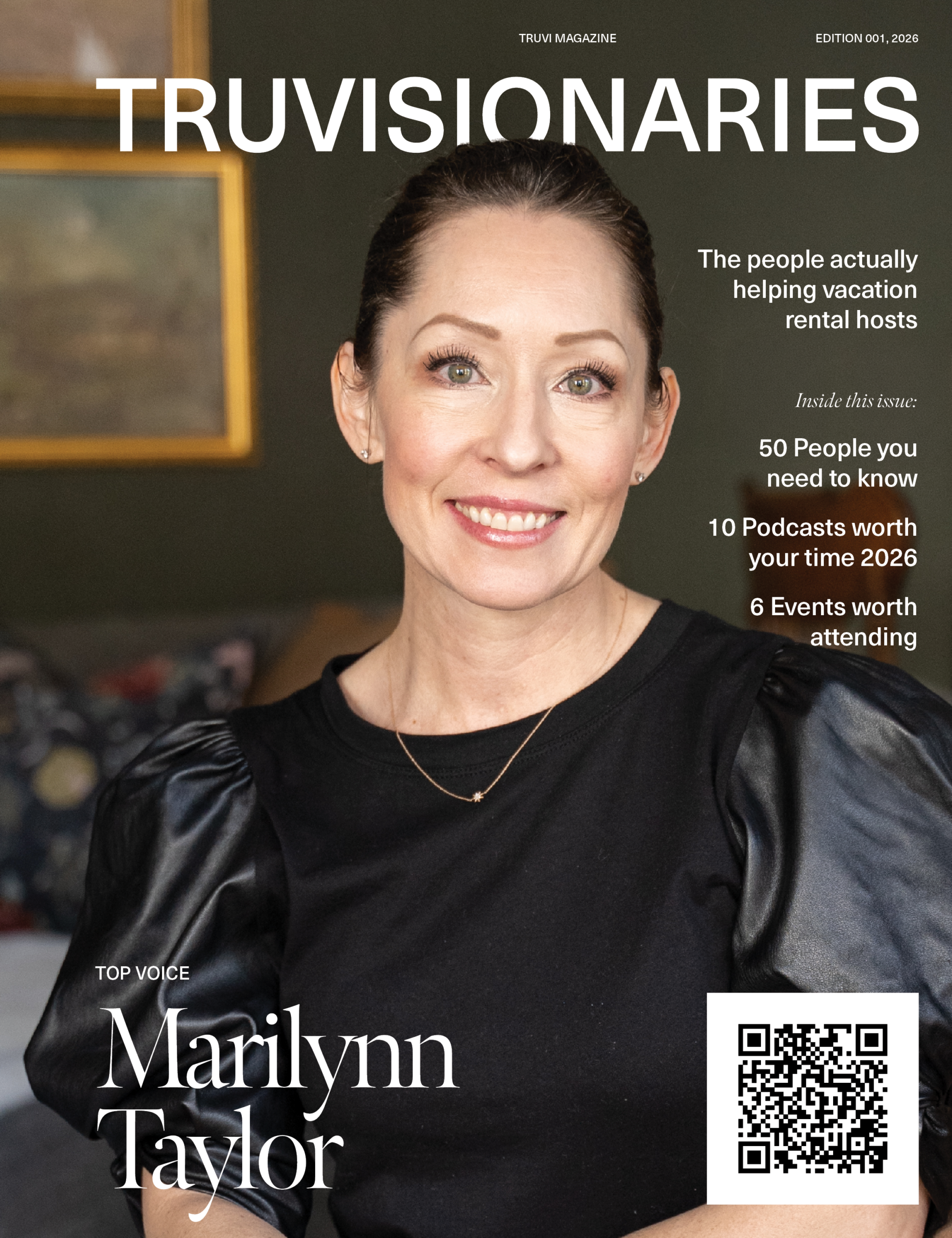
Marilynn Taylor is a HGTV-featured designer who started hosting in Cape Cod 20+ years ago before Airbnb existed.
She wants guests to feel they’re in a home, not a rental. Think about what they want and why they’re staying. Corporate travelers can handle basic, but vacation guests need you to lean into the experience through little details. A bride left her a card saying “thank you for the love you put into this. I can tell how passionate you are about it.” When you get those responses, you’re doing it right. She calls this Heart-Centered Hosting.
She’s watching design shift from kitschy trendy Airbnb aesthetics with low quality finishes toward real Architectural Digest sophistication.
Active on Instagram (@marilynntaylor) sharing tips on dealing with problem guests, platform changes, elevating listings, and more.

STR Operations & Systems Expert
Why?
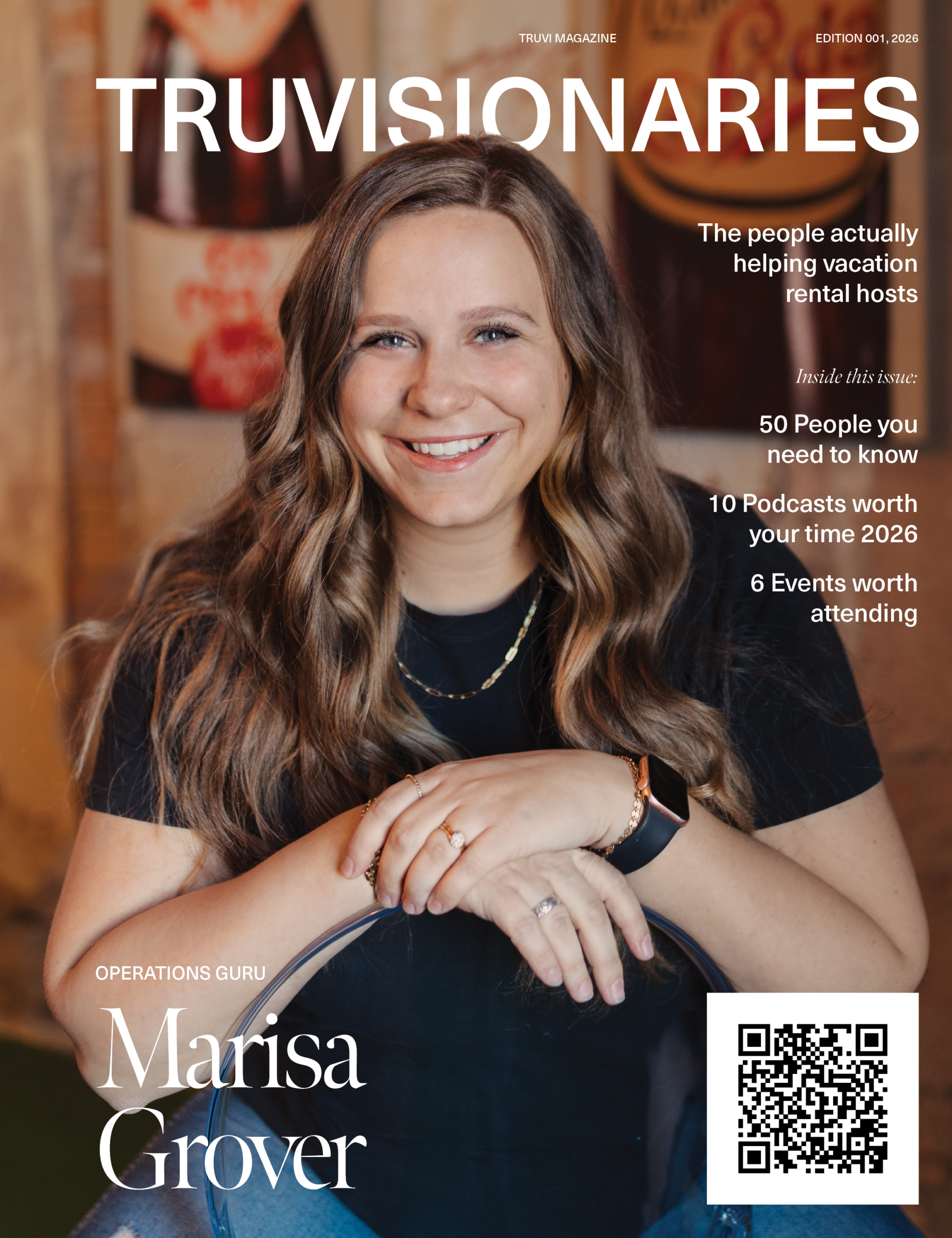
Marisa Grover started with one family property. Now she runs 50+ in five hours a week by building operations systems that work without her. Documented processes, trained teams, automated communications. No midnight guest texts. No scrambling when cleaners call out.
She scaled from one family property to 50+ units and nearly burned out doing it. So she built the infrastructure that let her step back: SOPs that teams can actually follow, hiring and training processes that create problem-solvers instead of question-askers, workflows that handle the repetitive stuff automatically.
Now she teaches other hosts how to do the same. Through her Systems Society membership and Hello & Welcome podcast, she shows operators how to document their processes, train their teams properly, and build a business that doesn’t need them for every decision. Her focus is the unglamorous operational backbone, the systems that let you scale from 5 properties to 15+ without adding chaos. If you’re stuck being the bottleneck in your own business, Marisa shows you how to build your way out.
Q&A
How did you get into STR?
My family bought a property so they could visit me and my kids after we moved away for my husband’s school. One property turned into 10, then 50. Total snowball.
What should hosts start doing today?
Two things. First, define your company culture – how you talk to people, treat employees, show up on social media. Most people hire without knowing what business they’re actually building. Second, write down what you do as you do it. That’s systems. Document as you go, not after you’ve forgotten how things work.
Where’s the industry heading?
Toward professional hosts who actually care about the properties they manage and the guests staying in them. The “spare bedroom with an air mattress” era is over. Quality and standards matter now, especially with AI search changing how people find places to stay.
Find Them
Instagram (@marisa.grover) for regular advice videos on operations and systems. Her podcast Hello & Welcome covers the real talk about running STR businesses without the chaos. Website withmarisa.co has resources and links to everything. Instagram is where she’s most active.
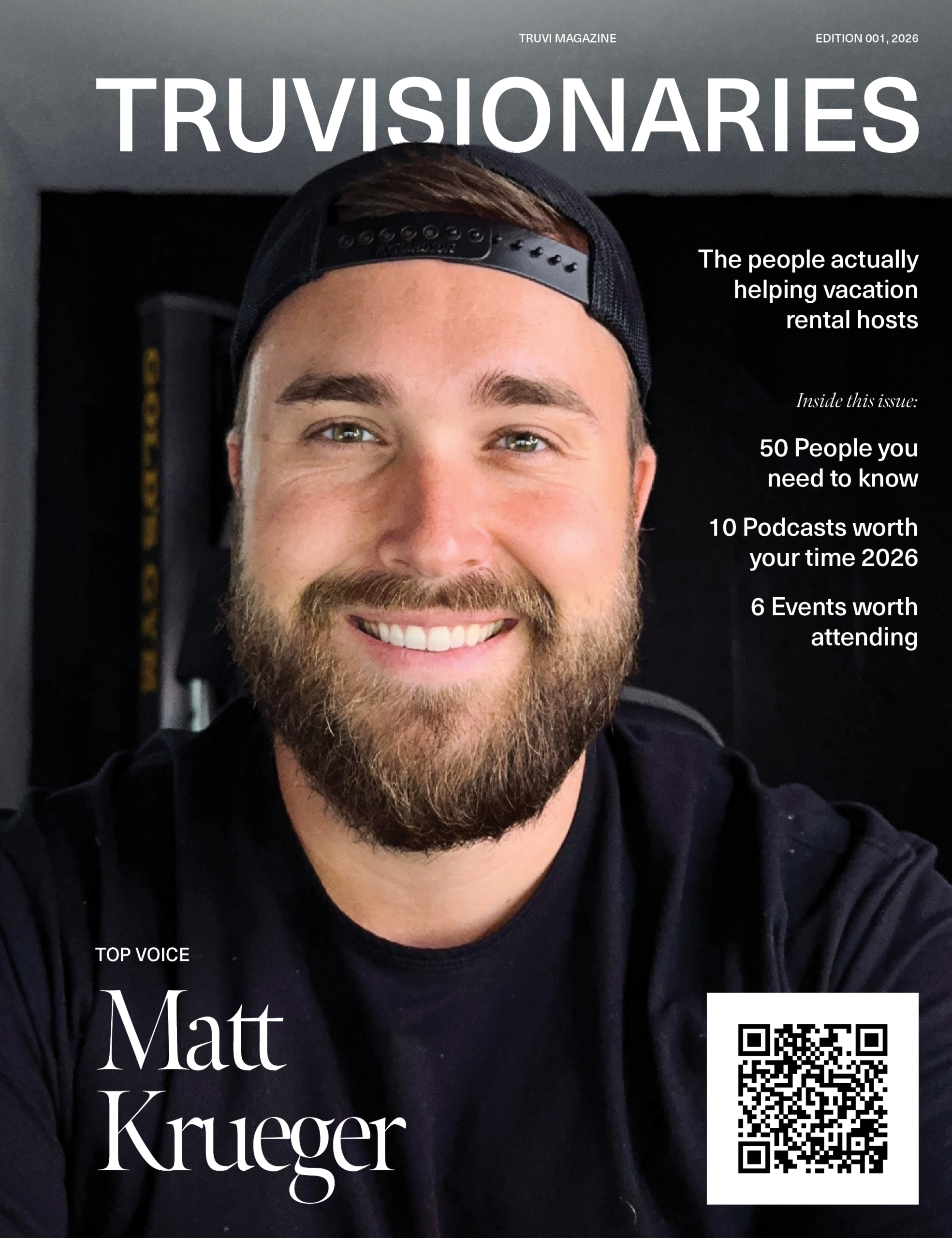
Relatable Short Term Rental Investing
Matt Krueger retired at 29 by buying distressed properties. He’s a homeschool dad of four documenting the unglamorous reality of running Airbnbs.
He’s built a multi-million dollar portfolio through house hacking and calls out the passive income myth. His content shows the actual work behind running rentals and shares real numbers from his properties.
Matt buys and renovates “junk homes” himself, documenting the process in a transparent, easy-to-follow way across his social media channels.
His content shows the reality, which means videos of him out of breath fixing melted electrical boxes, sucking dirty rainwater out of basement carpet, and calling guests to explain tricky situations.
Keep up with him across YouTube, TikTok, Instagram, and Facebook for regular short and long-form video under the name Rental Cashflow.
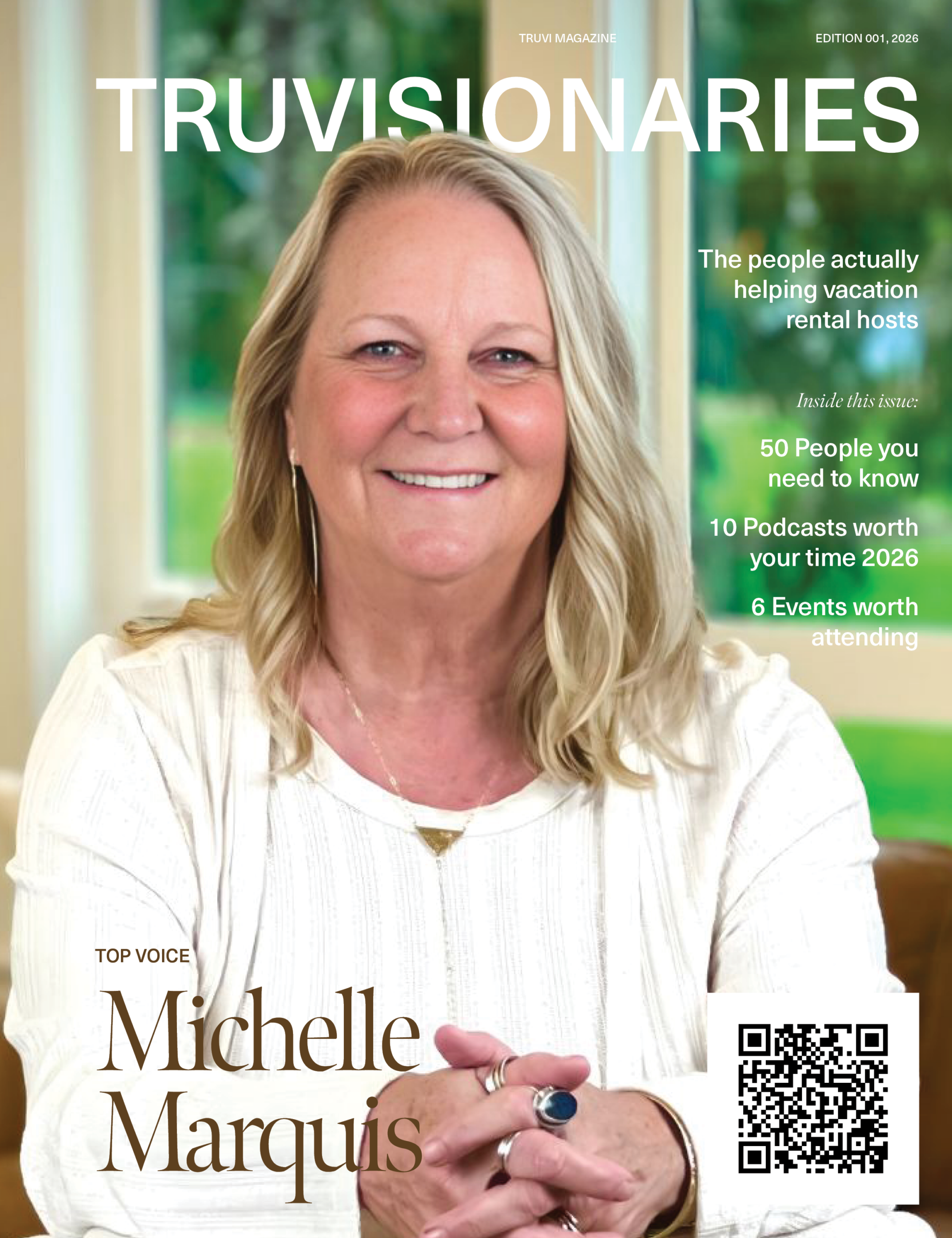
Vacation Rental Industry Insider
Michelle Marquis came from hotels and ran vacation rental properties like one before anyone else did. When she attended her first VRMA conference, she realized the industry didn’t understand revenue management or distribution.
Now a fractional executive with 30+ years experience, she pushes operators to think about distribution holistically. Most hosts see distribution as just OTAs. She sees it as your overall revenue distribution: direct bookings online and offline, OTAs, corporate retreats, and groups like SMIRF (social, military, education, religious, fraternal organizations) that rent multiple houses for retreats.
She’s currently building Built, Not Born, a leadership platform for women who earned confidence through responsibility. Active on LinkedIn sharing regular industry insights.
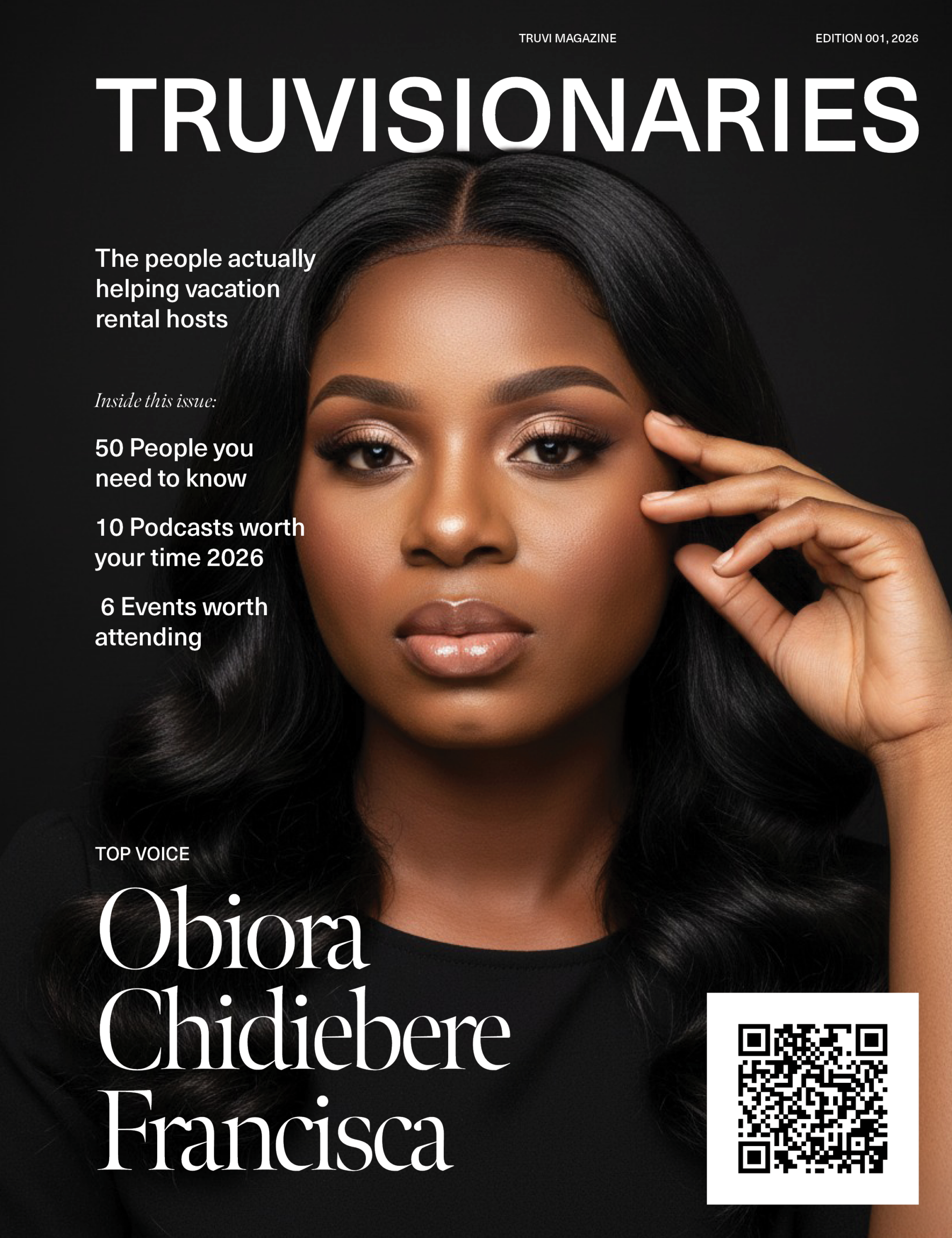
Host & Luxury Short-Term Rental Operations Specialist
Obiora Chidiebere Francisca works with luxury short-term rental owners stuck in the burnout cycle: answering guest messages at midnight, chasing cleaners, constantly updating prices, all to maintain high ratings. She fixes the systems behind listings so owners can step back while properties grow.
Obiora streamlines calendars, teams, and guest communication so everything runs like clockwork. This means re-writing listings and optimizing pricing to increase bookings, setting up smart guest messaging systems that cut owner workload while maintaining response rates, and building systems for cleaning and turnover that limit post-stay disputes.
Based in Nigeria, shares regular operational insights on LinkedIn helping hosts run rentals like real businesses instead of side hustles consuming their lives.
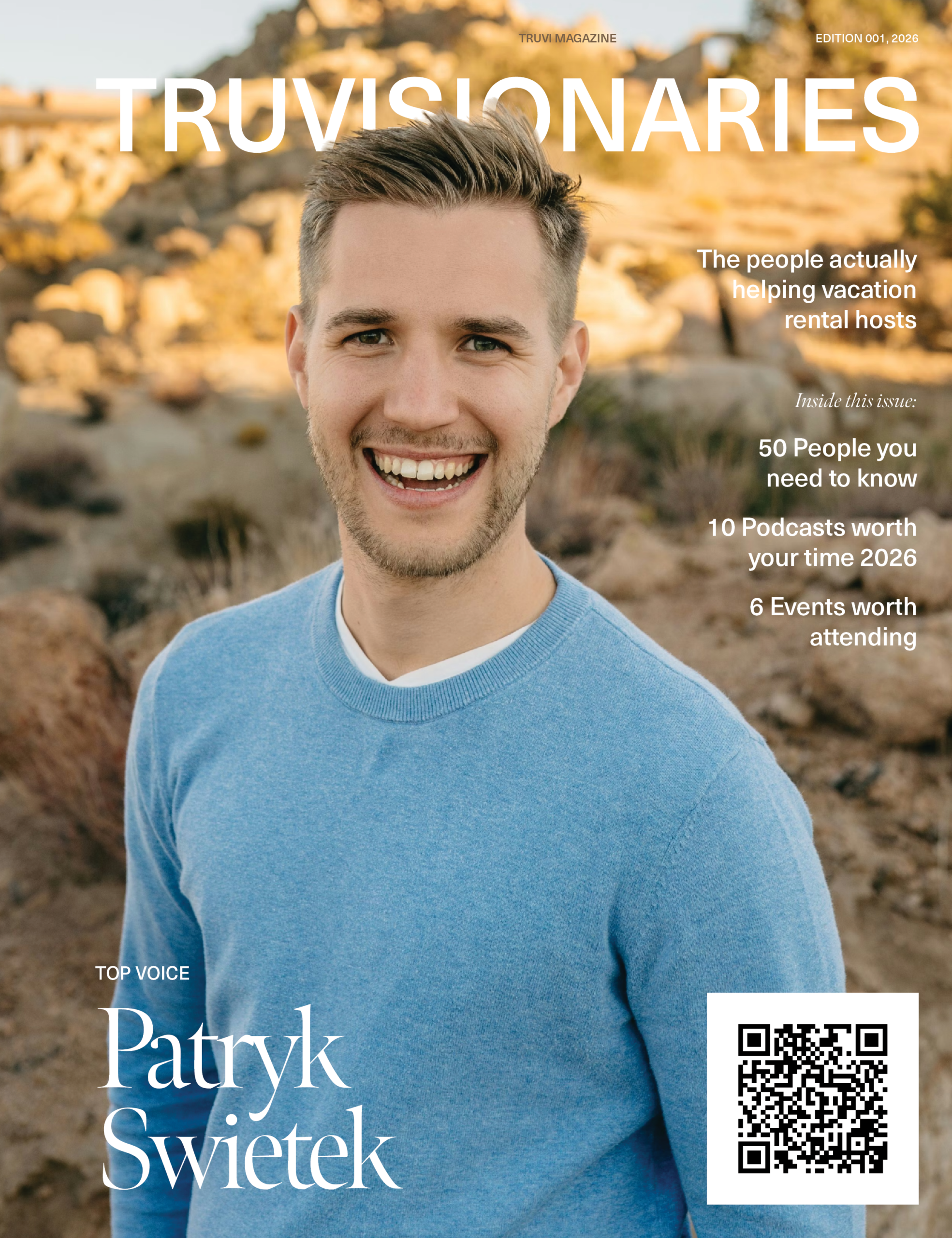
Owner, The Cohost Company
Patryk Swietek built tech companies from age 14, got into short-term rentals at 24 after working for an Airbnb management company. He soon learned that in business, unlike in school, copying someone else’s work isn’t cheating. Stop trying to figure everything out yourself when someone’s already done it.
He scaled his first cabin’s revenue from $33,000 to $60,000 in a year by treating it like a business instead of a hobby, with better marketing, active pricing management, and proper operations.
His advice for hosts stuck in analysis paralysis: identify the specific roadblock stopping you and find the expert who’s already solved it. You don’t need to become a loan expert or a marketing expert, you need to find those people and leverage their knowledge.
Active on Instagram and TikTok (@patryk_swietek), YouTube (@patrykswietek), and LinkedIn.
Founder, The Social Media Hotelier
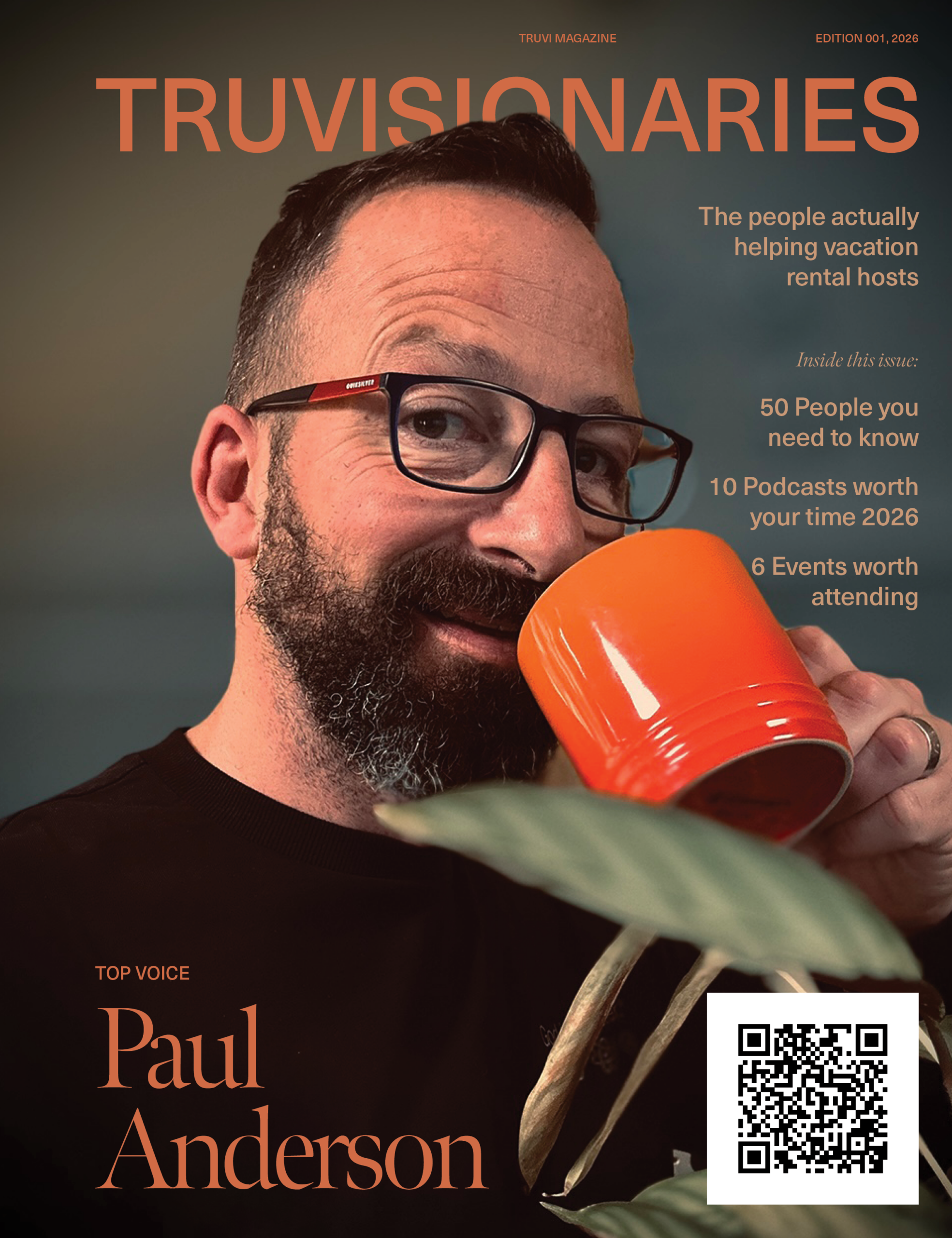
Paul Anderson teaches short-term rental hosts and property managers to turn Instagram into a booking engine.
In 2009, he opened a small guesthouse in Oxford and, while others chased double rooms, focused on what his guests actually needed: affordable single stays for hospital visitors. That clarity took him to the top of the market.
Today, he applies that same focus on guest psychology to Instagram.
He doesn’t teach hosts to chase followers, likes or comments; he teaches them to understand guest psychology and move the right people towards a booking.
After all… likes aren’t revenue.
His approach is simple: a profile that converts, content that attracts, and a sustainable content strategy, designed to drive traffic from Instagram to booking pages without the pressure to post every day.
If your Instagram isn’t driving traffic to your booking pages, it’s not marketing: it’s a time-draining, expensive hobby.
He shares insights on Instagram (@thesocialmediahotelier), alongside free blogs, podcast appearances and training resources at thesocialmediahotelier.com
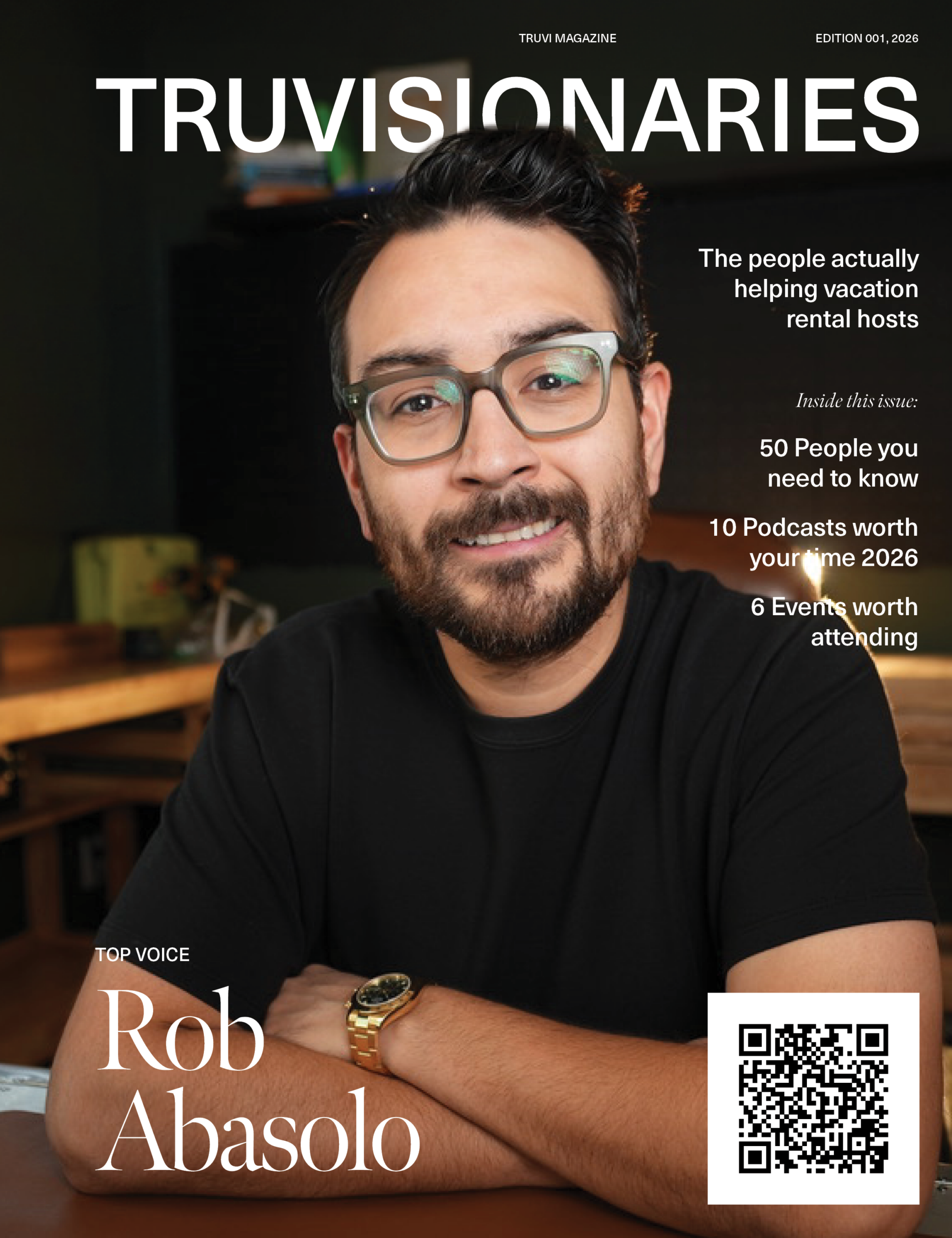
Founder, Robuilt
Rob Abasolo started with $80k in student loans as a copywriter. He remodeled his first Airbnb until 3am every night to make it work and now owns 40+ properties as founder of Robuilt.
His renovation advice is direct: hosts drop $20,000 on bathroom remodels when guests book for hot tubs and outdoor spaces. Bathrooms are the last photos in listings. Spend money where bookings actually happen. Same logic for scaling: he’s actively selling properties to consolidate from 40 units across six states into fewer doors with higher profit each.
His current focus is direct bookings through social media rather than relying solely on Airbnb’s platform.
The Robuilt YouTube channel covers market analysis, design strategies, and commentary on the latest industry developments, while his Instagram (@robuilt) offers a mix of the professional and personal.
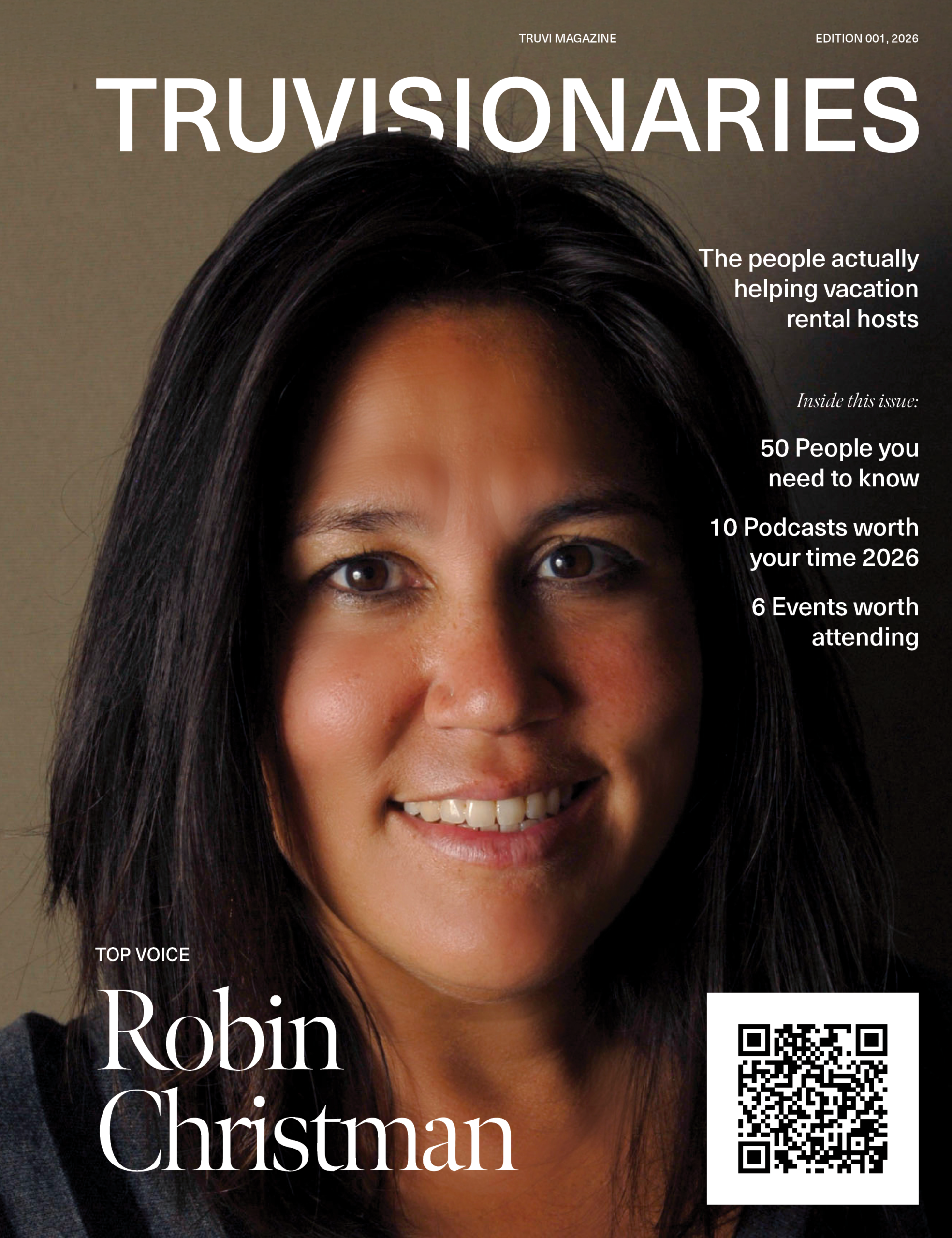
Owner/Photographer
Denver-based Robin Christman worked as a professional news photographer for seven years. Since 2018, she’s specialised in vacation rental interiors.
Robin captures the story and personality of properties, photographing details and amenities that make a space feel lived-in and welcoming. Her approach helps hosts increase views and income by creating images that connect emotionally with potential guests.
She offers comprehensive services beyond standard photography: drone aerials, twilight shots, 360 virtual tours, floor plans, and video walkthroughs. Her blog covers practical topics like why it’s worth investing in your own photographer, leveraging floor plans to boost revenue, and benefits of unique design in rentals.
Photography examples on Instagram, also active on Facebook and LinkedIn.
CEO, Your Family’s Place and the Mom Behind Hosting in the Motherhood
Rose Tipka started Your Family’s Place because she couldn’t find nice vacation homes for her own kids. Now she runs large, pet-friendly homes in Ohio’s Amish Country for multi-generational families.
Her approach is treating guests like relationships, not transactions. Vacations are personal with pressure to get it right. When you develop relationships with guests, they come back year after year and book direct. Less risk on new guests, more predictable revenue.
Her mission through Hosting in the Motherhood is helping other mom hosts “unhobby” their hosting with no-BS strategies.
She’s calling for more professionalism across the industry. Bad operators affect everyone. When somebody has a terrible experience at any rental, guests bring those expectations to your property.
Visit Hosting in the Motherhood for resources. Follow on Instagram (@hostinginthemotherhood).

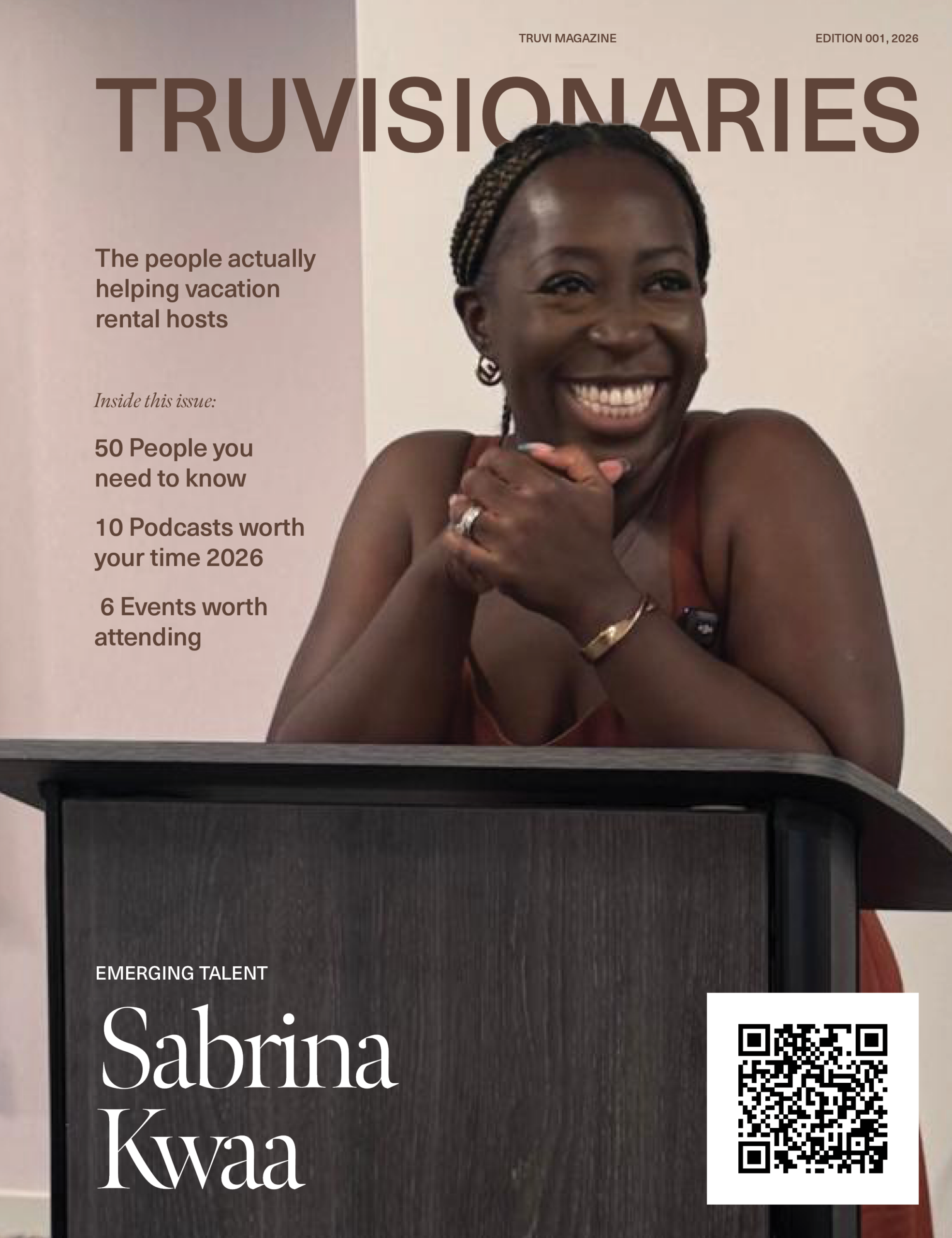
Property Entrepreneur
Why?
Sabrina Kwaa was scrolling YouTube looking at first-time buyer content when Airbnb videos started popping up. She and her husband had just had their first son, both working full time, and they wanted to move but had no money. They needed extra income. She watched the videos and thought “I think we could do this.”
Now she runs 50 units across the UK and Dubai, helping other hosts through property sourcing, setup, and management while balancing family life.
What makes her worth following is her steadfast refusal to blame external factors for occupancy problems. While other hosts complain about market saturation or competition, she focuses on what’s actually in your control.
She teaches hosts how to pick the right properties to invest in, crunch the numbers properly to forecast revenue, and avoid the common mistakes that prevent most new investors from seeing profit. She’s proven you can scale fast without years of experience if you’re willing to stay hands-on with the fundamentals that drive bookings.
Q&A
How did you get into STR?
We’d just had our first son, wanted to move, but had no money and were both working full time. We needed a side hustle. I was scrolling YouTube looking at first-time buyer content when Airbnb videos kept coming up. I thought “I think we could do this.” I focused on sourcing the right deals from the start and didn’t let perfect be the enemy of good. You learn faster by doing than overthinking.
What should hosts start doing today?
Be a hawk on pricing. People say “I have smart pricing on” but you need to go further and track market trends and adjust seasonally. If your property’s been empty for days and you haven’t changed the price, you’re missing income. People spend hours on photos and listings, which matters, but price drives booking decisions. Take accountability for what you control.
Where’s the industry heading?
Guests want their stays to come with experience and hotel-level convenience. I’m getting more requests for drivers, nannies, airport transfers. The hosts who’ll lead are those who partner with service providers to offer complete experiences alongside accommodation.
Find Them
Sabrina shares actionable STR tips and deal sourcing advice on Instagram, TikTok, and YouTube (@propertywithbri), where she balances business growth with family life and proves you don’t need decades of experience to scale successfully.
Co-Founder, Market Movers
Sarah Stahl co-founded Market Movers after 15 years building marketing systems in hospitality. She replaces bloated software stacks with leaner custom tech that connects marketing directly to bookings.
Her approach focuses on ROI you can measure. If it’s not measurable, it’s not worth doing.
For Sarah, it’s clear independent operators are the power players now: guests want personality and something real, not cookie cutter experiences. Independent hosts are more nimble with regulations, while tech is leveling the playing field and direct bookings mean no middleman taking margins. She says to stop letting vendors drive your tech problems. Figure out what you actually need first.
YouTube videos at MarketMoversLLC, Instagram (@sarahstahlmarketer), and posts on LinkedIn covering direct booking strategies, AI automation, and hospitality tech systems.

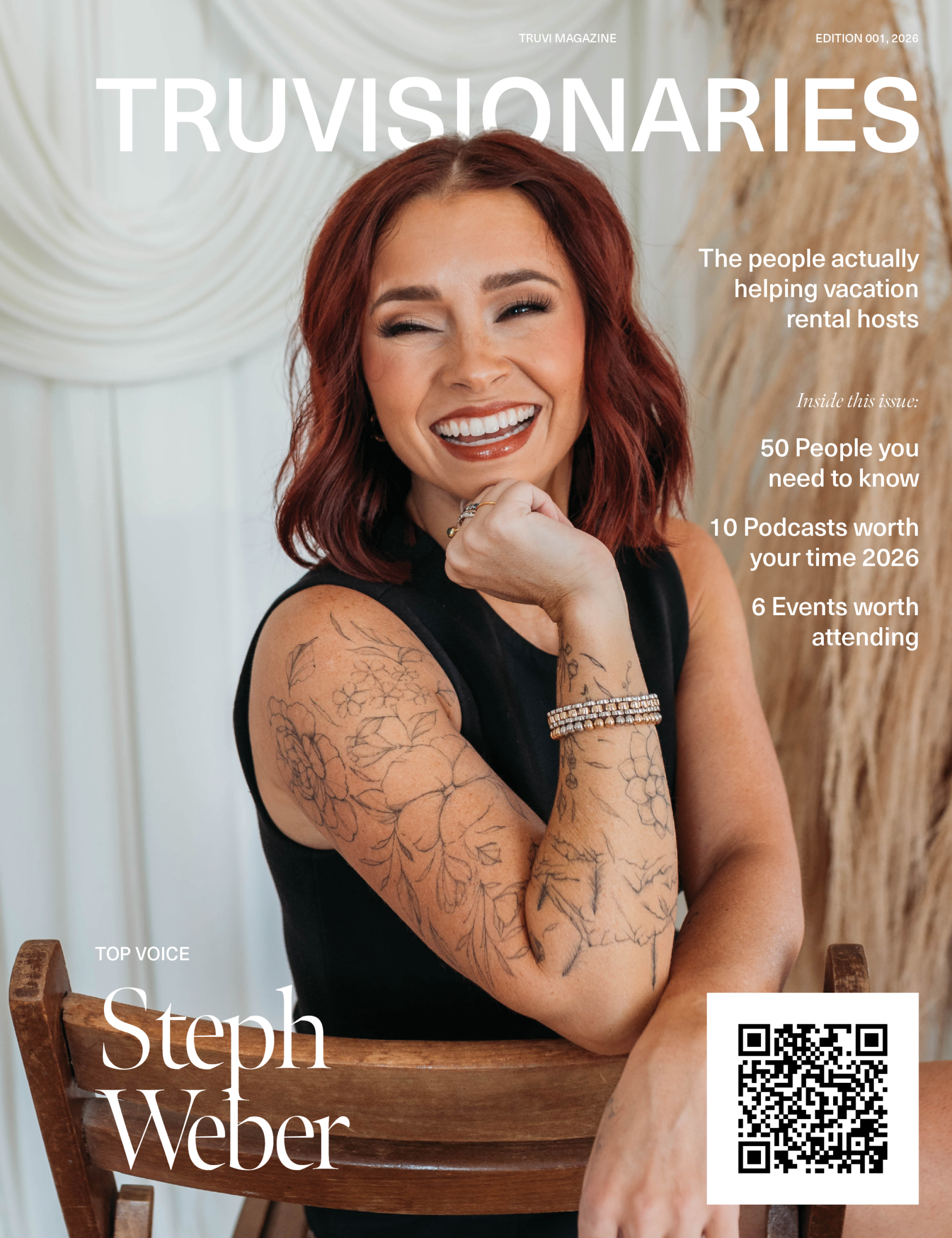
Hospitality Brand Strategist & Founder, The Weber Co.
Steph Weber founded The Weber Co. after pivoting from e-commerce in 2023. Eight months pregnant, she bought her first rental. Seven weeks later, she jumped into building a 12-cabin micro resort in Kentucky. When their builder questioned hot tubs for every cabin, she installed one at a single property. It tripled bookings. Hot tubs were installed.
Her agency focuses on brand strategy for short-term rentals, boutique hotels, and micro resorts. Brand is where trust is built and why people say yes. It goes deeper than logos and colors. She sees the industry 2-3 years behind in marketing and says hosts who build strong brands now will dominate.
She’s critical of ChatGPT-generated copy producing generic fluff. Do the thinking yourself first, then use AI tactically.
Shares regular insights on LinkedIn and Instagram (@theweberco).
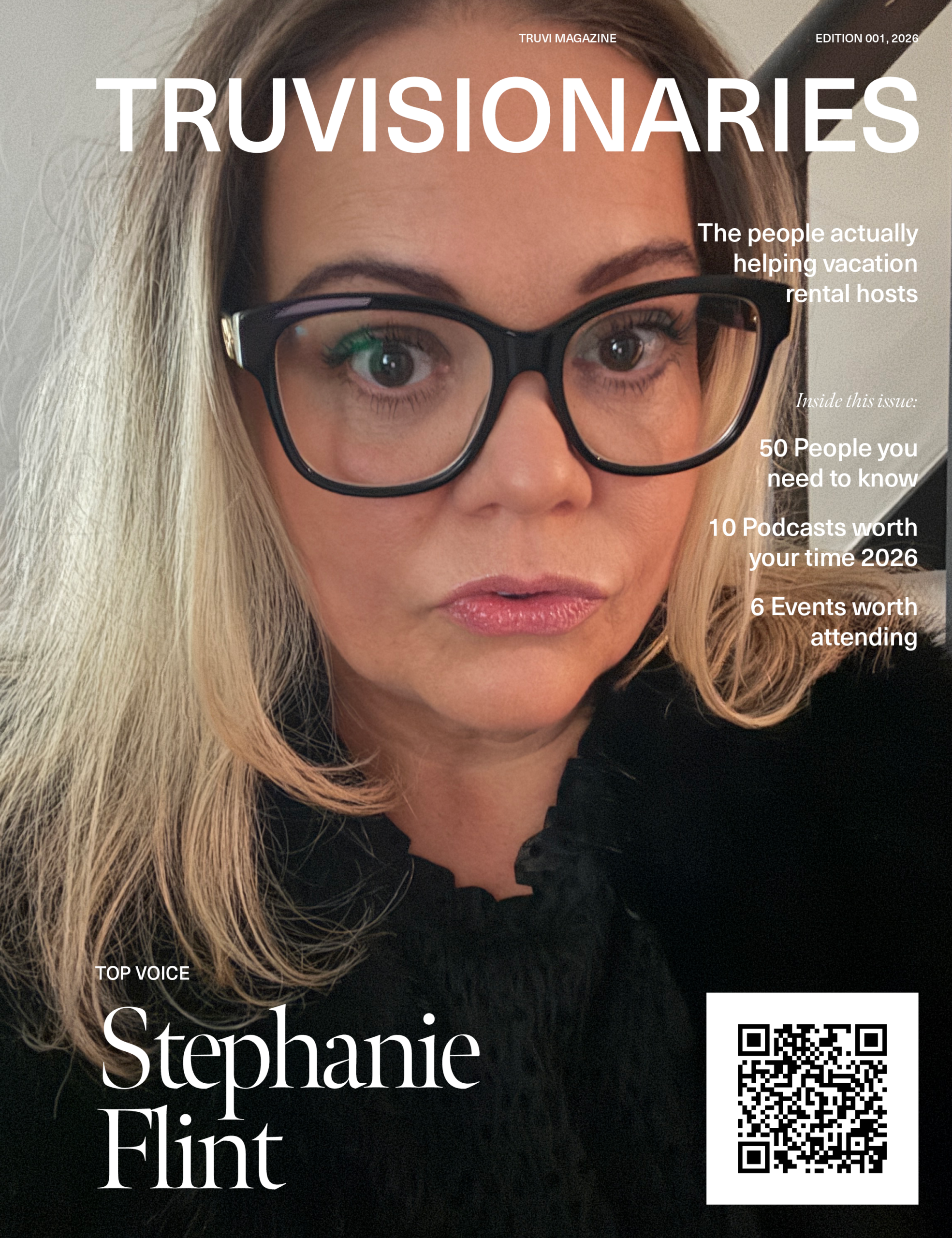
Founder, Rural Cleans and Rural Stays
Stephanie Flint founded Rural Cleans Yorkshire after seeing terrible standards across the industry. Six inches of dust, dirty mops under stairs, the same cloth for bathrooms and kitchens. Something had to change.
Now she travels the UK helping hosts and property managers train cleaning teams and fix operations. Her take: expensive doesn’t mean best. Top dollar doesn’t guarantee quality, and excellent cleaners often charge too little.
It takes months to build a good cleaner, not a one-day course. For example, when it comes to cleaning hot tubs, the nine months she spent with a real company was more beneficial than her certification. She’s against quick-fix solutions.
What works in the city center won’t work in rural North Yorkshire. You have to customize for each situation.
Shares actionable STR cleaning advice on Instagram (@ruralcleans).

Interior Designer and Co-Founder, The Level Up Your Listing Summit
Why?
Tatianna Taylor-Tait got her start in Vancouver renting out her basement suite during a difficult period. After realizing short-term rentals could work, she found a seven-bedroom house sitting empty while waiting for demolition permits. The developer was dealing with break-ins and damage. She offered to rent it in the meantime and would leave when permits came through. Rented each room individually and made $60,000 in under three months. Used that money for an apartment flip and scaled from there.
Now she’s an award-winning interior designer whose design approach focuses on guest journey and psychology of space. She emphasizes that great design matters, but the guest journey is what carries the experience through. Every interaction point from listing to checkout shapes how guests feel.
Over the past six years, she’s evolved from attending industry events to hosting her own (The Level Up Your Listing Summit), becoming one of the go-to names for interior design in short-term rentals.
Q&A
How did you get into STR?
I was at rock bottom. Lost my mother in a car accident, got laid off, my dog passed away within weeks. I was grieving in my Vancouver basement suite feeling lost. I needed to escape and travel solo. Someone mentioned Airbnb and Vrbo. I snapped photos and listed my place. It booked instantly and paid for my rent and travels. During those six weeks away meeting different people, I fell in love with hospitality.
What should hosts start doing today?
Plan the entire guest journey. From the moment they see your listing online through booking, first interaction, check-in, their first day, all the way to checkout and after. Each point where your guest interacts with you, the property, the experiences you offer – that’s what separates a normal Airbnb from one that’s thriving.
Where’s the industry heading?
Quiet luxury. We’re shifting from loud branding and maximalist design with all the bells and whistles trying to stop the scroll to authentic, effortless spaces. People want real, not performative. We’re also seeing health and wellness become central with cold plunges and properties branded specifically for retreats.
Find Them
Tatianna shares actionable design tips and property photos on Instagram and Pinterest (@tatiannatt). Her website features extensive portfolio work for design inspiration. Co-founder of The Level Up Your Listing Summit bringing together STR hosts and design professionals.

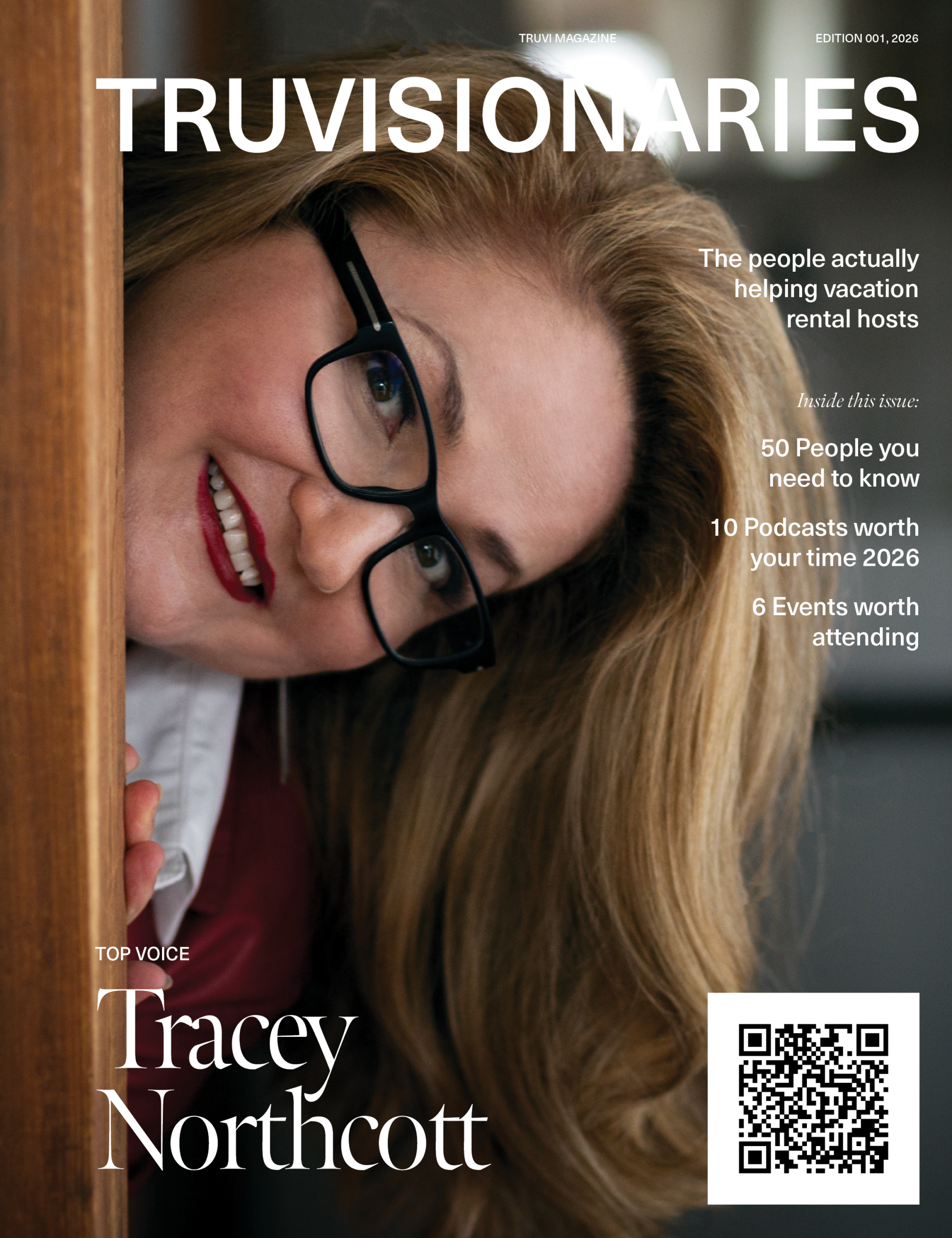
CEO & Founder, Tokyo Family Stays
Tracey Northcott started in 2010 when her son was born and parents kept visiting Tokyo. Finding suitable Airbnb accommodation nearby was a nightmare.
No tea or coffee facilities, no cooking equipment, and futons instead of beds. Her dad had knee surgery so floor cushions didn’t work. She rented a second home equipped for a family, and listed it hoping to break even. She was shocked by the massive demand. She grew to 23 properties across Tokyo as a seven-figure business.
She’s particular about one thing: she doesn’t identify as an Airbnb host. She’s a vacation rental operator. “I don’t refer to any of my properties as my Airbnbs. This is the hill I will die on.” Only 20-30% of her bookings come through Airbnb.
Blog and free resources including webinars and ebooks at tracey-northcott.com. Active on Instagram (@thewholeheartedhost), LinkedIn, and Facebook.
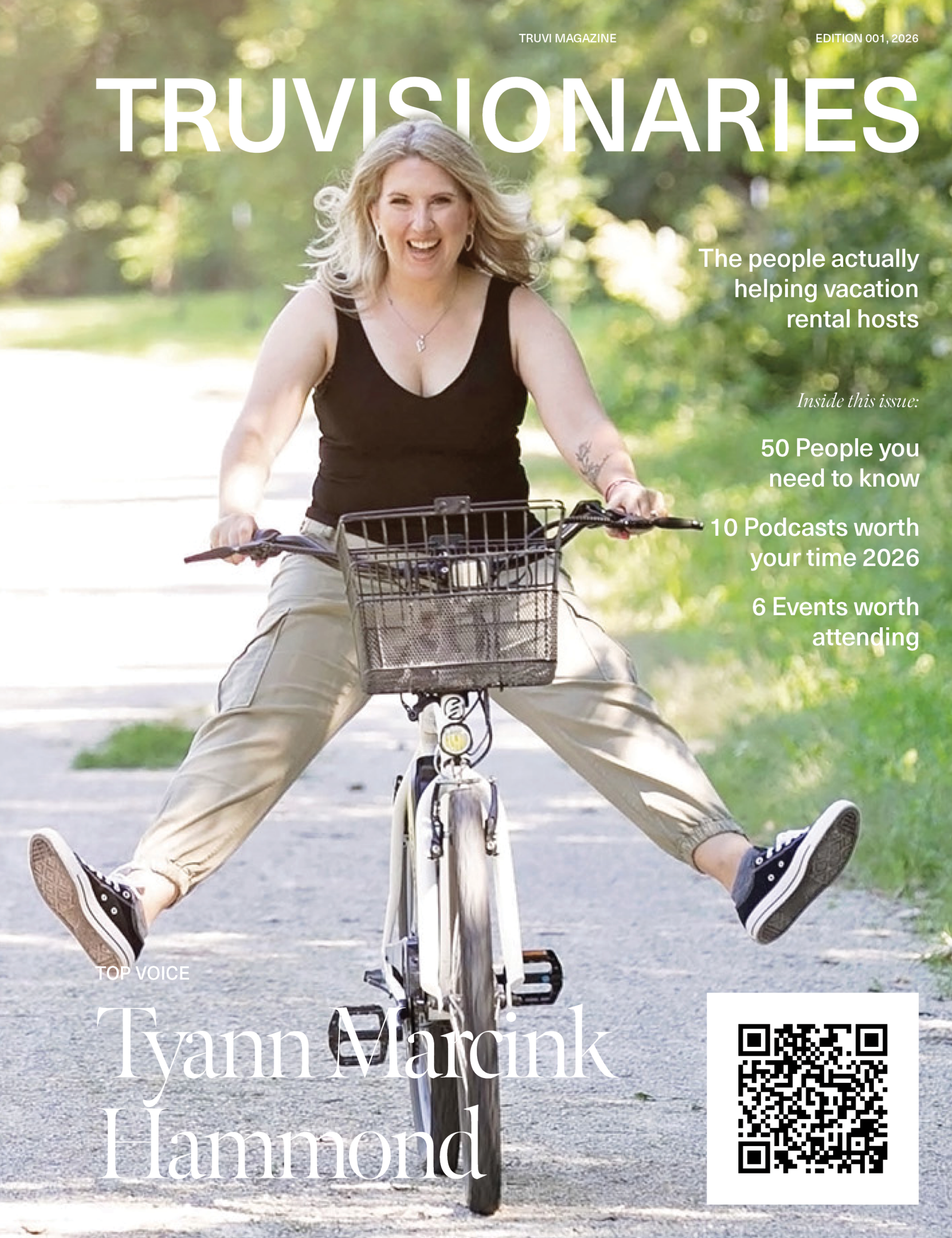
Queen of Guest Experience
Tyann “The Queen” Marcink Hammond started in 2007 pre-Airbnb and has since built large vacation rentals, including converting a 1902 bank in the Ozarks.
She says most hosts need to talk to their guests more because guests who book 6-12 months ahead don’t know you’re real. Quality messages can build excitement and prove you’re preparing for their arrival. They don’t need to reply, but they need to hear from you.
Tyann is pushing for collaboration in an industry she believes is too fragmented. When hosts and property managers come together, they become a force that can drive reasonable policies. She’s working to show communities the economic benefits vacation rentals bring and help drive good legislation at city and state levels.
Active on X, Instagram, TikTok (@tyannmarcink), and LinkedIn.
Founder, CRUHomes and the Hestia Certification
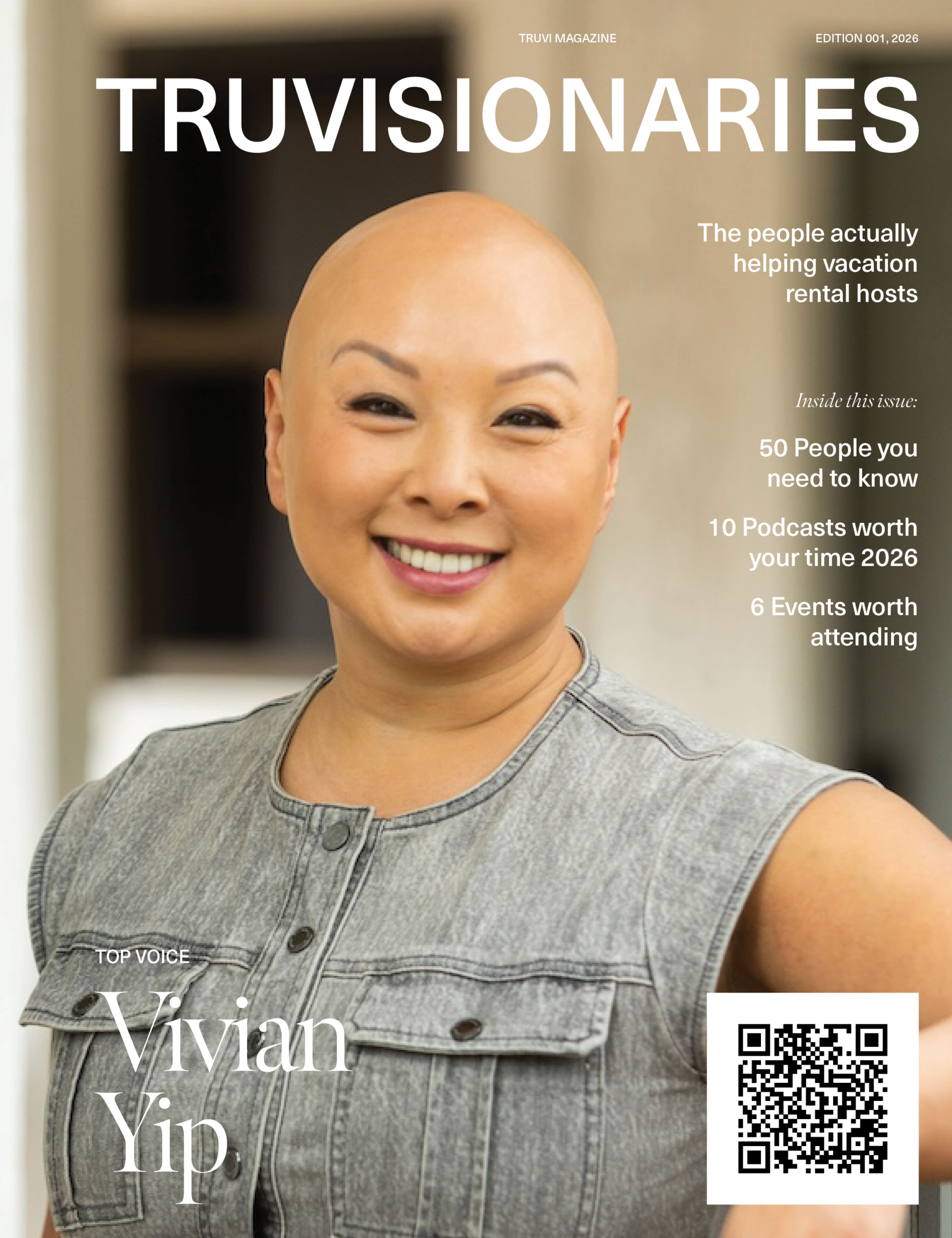
Vivian Yip worked at Apple for 7 years in operations and supply chain launching iPhones. In 2008, aged 27, she saw mass layoffs and decided never to rely on one income stream. So she took up short term rentals.
Currently, she’s watching hobby operators struggle while professional hosts succeed. That means quality photography, good linens, quality controls, and rigorous standards. Vivian says guests are returning to hotels because they’ve been burned by subpar rentals.
She also says hosts need to stop relying so much on Airbnb and diversify income across direct booking and other OTAs, preferably with AI tools to help you streamline operations.
Now runs CRUHomes with 30+ midterm rentals and created the Hestia Certification teaching hosts operational systems. Active on LinkedIn, Instagram (@vivianyip_official), TikTok (@vivianyipofficial), YouTube (vivianyip_official).
Bed and Breakfast Coach
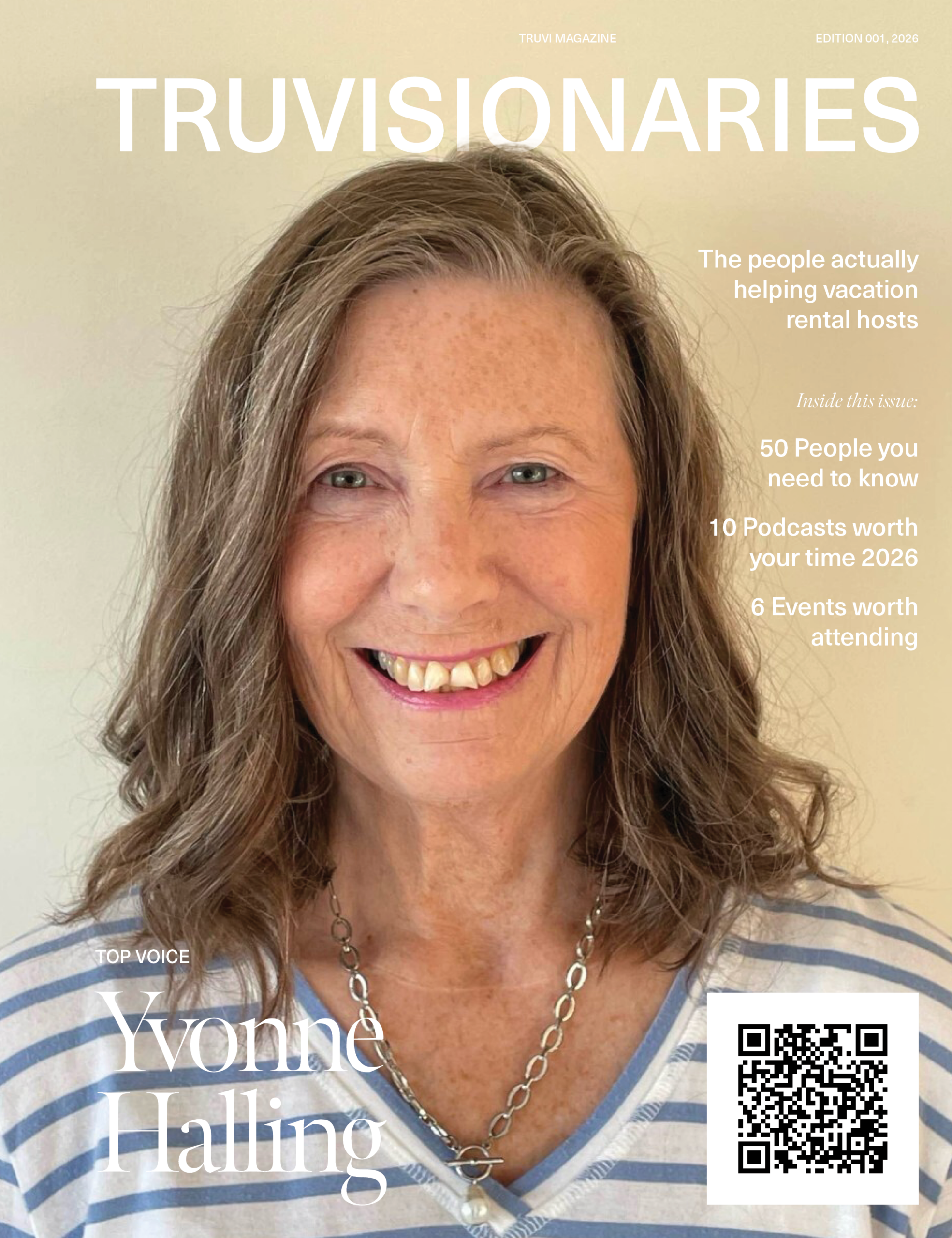
Yvonne Halling ran a luxury B&B in Champagne, France for 17 years. It started as a hobby but became her sole income, so she transformed it into a professional business making over €100k annually with four rooms – and zero OTA dependency.
She teaches independent hosts to reclaim the middle ground between big hotel chains chasing volume and Airbnb hobbyists offering spare rooms. She shows hosts how to move from generalist to specialist by combining location, what guests come for, and personal passions into a unique proposition.
She’s passionate about OTA independence, calculating that platforms extracted £6.5-7.5 billion from UK hospitality in 2022 alone. Her blog covers practical strategies: SEO, direct bookings, creating value to charge more, psychology of professional hosting.
Active on Instagram (@bedandbreakfastcoach) and LinkedIn. Blog at bedandbreakfastcoach.com.
"Success comes from surrounding yourself with people who’ve walked the path before you and are willing to light the way."